Trump Escalates Iran Tensions with New Threats
President Trump has issued a new deadline for Iran to open the Strait of Hormuz, threatening severe consequences including attacks on infrastructure. The heightened rhetoric follows the successful rescue of a second U.S. airman whose jet was downed over Iran, drawing criticism from Democrats concerned about American safety.


Trump Issues Stark Warning to Iran Amid Escalating Conflict
President Trump delivered a barrage of expletive-laden warnings to Iran over the weekend, setting a new deadline for the nation to open the Strait of Hormuz. The heated rhetoric comes just after U.S. forces successfully rescued a second airman whose fighter jet was shot down over Iranian territory. The president’s aggressive stance has drawn sharp criticism from Democrats, who argue his words put American lives at greater risk.
New Deadline and Infrastructure Threats
In a series of posts on his social media platform, Truth Social, President Trump declared that Iran had 48 hours to comply with demands. He stated that if Iran did not make a deal to end the war or open the vital shipping lane, “all hell will rain down on Iran.” Later, he specified Tuesday at 8 p.m. Eastern time as the deadline, warning that if Iran failed to open the Strait of Hormuz, the nation would face consequences he described as “Power Plant Day and Bridge Day.” He also suggested Iran would be left “living in hell” if they did not comply.
These statements follow the downing of a U.S. fighter jet over Iran on Friday. President Trump announced early Sunday morning that U.S. forces had safely rescued the second crew member from the two-seat aircraft. He called the operation a “miraculous search and rescue.” The president also noted that details of the first rescue were withheld to avoid jeopardizing the second mission, emphasizing, “We will never leave an American war fighter behind.” Reports suggest the CIA played a role in locating the downed airman, initiating a deception campaign to spread misinformation within Iran while special forces moved in.
International and Domestic Fallout
The escalating tensions are already impacting global markets and daily life. Gas prices have surged to their highest point in four years, a direct consequence of the conflict and its effect on oil supplies. This rise in fuel costs is expected to trickle down to consumers through increased prices for goods and services, as shipping companies begin adding fuel surcharges. Businesses are grappling with higher operational costs, which they are likely to pass on to consumers.
Meanwhile, the conflict is being felt on the ground in the Middle East as well. NBC News correspondent Matt Bradley reported from Jerusalem that Iran has continued to target Israel with ballistic missiles. He noted recent deaths in Haifa, marking a grim escalation in casualties. The region, typically bustling during Holy Week and Easter, has seen a significant drop in tourism, hurting local economies.
Concerns Over Military Strategy and Capabilities
Military analysts express concern over the president’s escalating rhetoric and its potential impact. Lieutenant Colonel Danny Davis, a senior fellow at Defense Priorities, questioned what new military actions the president could take, given that the U.S. has already conducted thousands of strikes. He suggested that while heavier ordnance like the “Mother of All Bombs” is an option, it carries significant risks. Davis also pointed out that the U.S. is reportedly running low on certain long-range missiles, raising questions about the sustainability of prolonged military action.
The recent loss of a U.S. fighter jet in enemy fire, the first in over 20 years, has also led to discussions about U.S. air superiority over Iran. Some experts believe this claim may have been overstated, noting that Iran may possess newer, indigenous anti-aircraft capabilities that U.S. forces are not fully prepared to counter. The complexity and resources involved in the recent two-person rescue mission, including the reported involvement of the CIA, have also raised questions among military observers.
Democratic Criticism and Calls for De-escalation
Democrats have strongly criticized President Trump’s approach. Representative Seth Moulton, a veteran himself, called a prediction market that allowed wagers on the rescue of downed service members “disgusting.” The platform later removed the market, citing integrity standards. Moulton also urged the platform to remove all bets related to the war in Iran, highlighting a broader unease with the commodification of conflict.
Other Democratic leaders have voiced concerns that the president’s inflammatory language could provoke Iran and endanger American lives, including those of pilots and service members. They are urging the White House to dial back the rhetoric and pursue diplomatic solutions rather than relying on threats of war. The situation remains tense as the new deadline approaches, with the world watching for the president’s next move.
Looking Ahead
All eyes are now on President Trump’s scheduled press conference later today, where he is expected to face questions about his threats, the deadline, and the ongoing conflict. The international community hopes for a de-escalation, but the president’s past actions suggest a continued focus on assertive, often unpredictable, communication. The economic consequences are already being felt at home, and the potential for further military action looms large.
Source: LIVE: NBC News NOW – April 6 (YouTube)

Related Articles
Europe Seeks New Defense Path as US Eyes NATO Exit
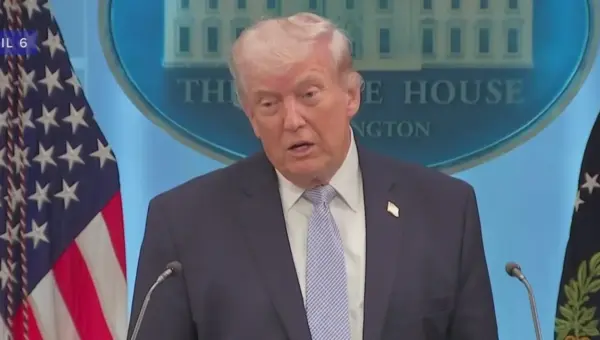
Growing U.S. frustration with NATO, particularly regarding the Iran conflict, is pushing European nations to explore independent defense options. While allies reaffirm commitments, they question the U.S. role and are considering a future with less reliance on American leadership.

Artemis II Crew Makes History, Sees Full Far Side of Moon
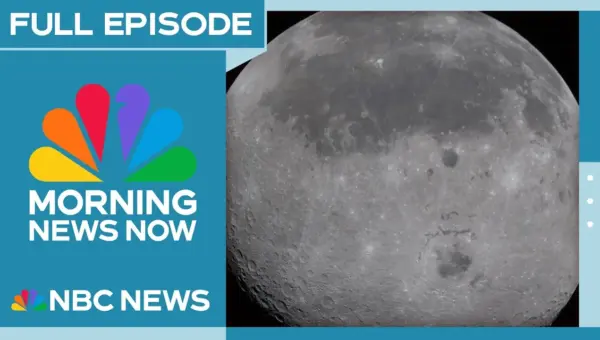
The Artemis II astronauts have made history by becoming the first humans to see the entire far side of the Moon. The crew is now returning to Earth after a record-breaking journey. Meanwhile, Middle East tensions are high as President Trump issued a deadline to Iran, threatening military action.
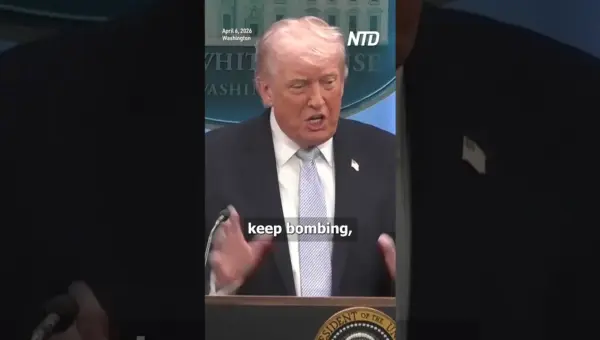
Trump Claims Iranians Crave Freedom, Even Amidst Bombing
Former President Donald Trump claims Iranians would welcome bombings and suffering in exchange for freedom. This assertion sparks debate on the ethics of foreign intervention and the true desires of populations under oppressive regimes.