Trump Escalates Iran Tensions, Targets Infrastructure
President Trump has warned of intensified strikes against Iran, targeting infrastructure like bridges and power plants. This strategy aims to pressure the regime into peace talks, though Iranian officials condemn it as an attack on civilian life. U.S. officials state the strikes target military supply routes to undermine Iran's capabilities.

Trump Escalates Iran Tensions, Targets Infrastructure
President Trump has issued a stark warning to Iran, signaling a potential escalation of military action. He stated that the United States has “not even started” its campaign, with future targets including bridges and electric power plants. This comes as the president pressures Iran’s current leadership to pursue peace talks quickly.
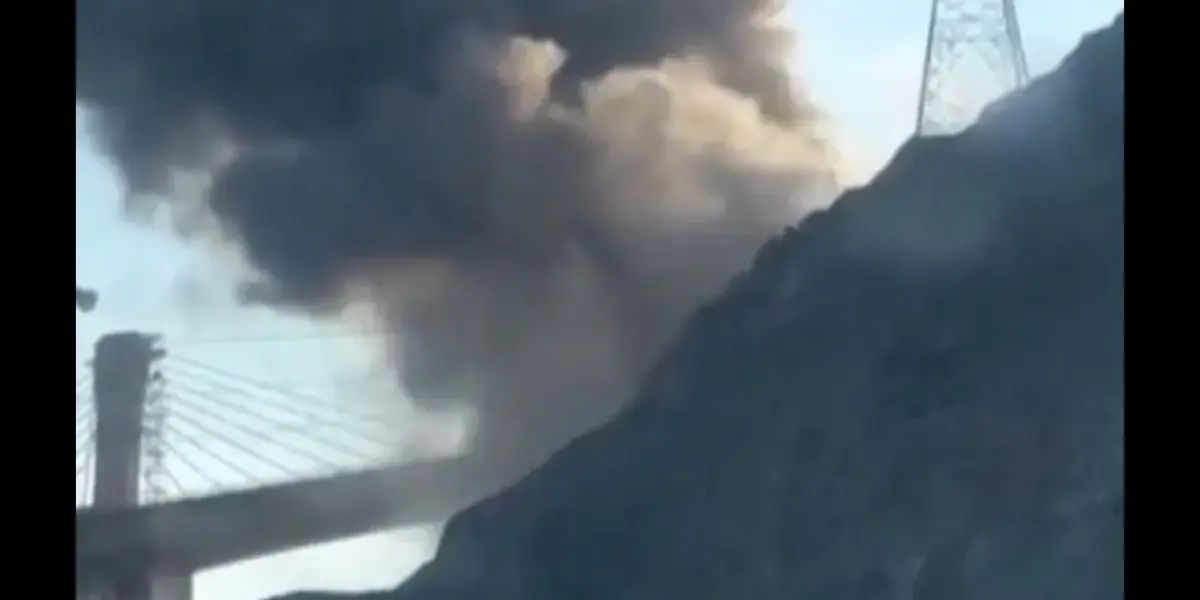
The president’s recent online posts have drawn significant attention. He shared a video showing U.S. forces damaging a major bridge near Iran’s capital, Tehran. This action suggests a broadening of potential U.S. military targets within the country.
Context of Intensified Strikes
This move follows a previous address where President Trump indicated that U.S. strikes would become more intense over the next two to three weeks. “We are going to hit them extremely hard over the next two to three weeks,” he stated. He also added that the goal was to bring Iran back to the “stone ages.”
Iranian officials have strongly condemned the strike on the bridge, calling it an attack on civilian infrastructure. However, U.S. defense officials have offered a different perspective to The Epoch Times. They explained that the strike’s purpose was to disrupt a military supply route. The aim was to weaken Iran’s missile and drone capabilities.
Calls for Peace and Economic Pressure
President Trump has repeatedly called for Iran to make a deal now, especially with what he describes as more “reasonable” new leaders in the regime. He has warned that if a deal is not reached, the strikes will continue to intensify. This approach combines military threats with a push for diplomatic resolution.
Beyond military actions, the president is also applying economic pressure. He is urging nations to either buy oil from the United States or to secure the Strait of Hormuz. Iran has continued to block this vital waterway, impacting global oil transport. Meetings are planned, including one hosted by the UK, to discuss reopening the strait.
Why This Matters
The situation highlights a critical juncture in U.S.-Iran relations. President Trump’s rhetoric and actions suggest a willingness to employ significant military force to achieve his objectives. The targeting of infrastructure like bridges and power plants, even if framed as military necessity by U.S. officials, carries substantial risks of civilian impact and further regional destabilization.
This strategy also raises questions about the effectiveness of such tactics in achieving lasting peace. While disrupting military supply lines might have short-term benefits, it could also provoke retaliation and deepen animosity. The dual approach of military threats and calls for negotiation puts Iran in a difficult position, forcing them to weigh the costs of continued conflict against the terms of a potential deal.
Implications and Future Outlook
The implications of this escalating tension are far-reaching. A wider conflict in the region could disrupt global energy markets and lead to increased instability. The U.S. is also calling on NATO allies to take a more active role, either economically or militarily, in addressing the Strait of Hormuz issue. This could strain international alliances if consensus is not reached.
The future outlook depends heavily on Iran’s response and the effectiveness of U.S. diplomatic efforts. If Iran chooses to de-escalate, a path to negotiation might open. However, if they retaliate or continue their current course, the U.S. may follow through on its threats of intensified strikes. The international community will be watching closely to see how these dynamics play out.
Historical Context
U.S.-Iran relations have been fraught with tension for decades, particularly since the 1979 Islamic Revolution. Periods of intense hostility have alternated with attempts at dialogue. This current situation echoes past standoffs where military posturing and economic sanctions were used as tools of foreign policy. The targeting of specific infrastructure, however, represents a notable escalation in the types of actions being considered.
Source: Trump Threatens to Strike Iran's Bridges and Electric Power Plants (YouTube)

Related Articles
US Jet Downed in Iran: Crew Fate Unknown, War Unpopular
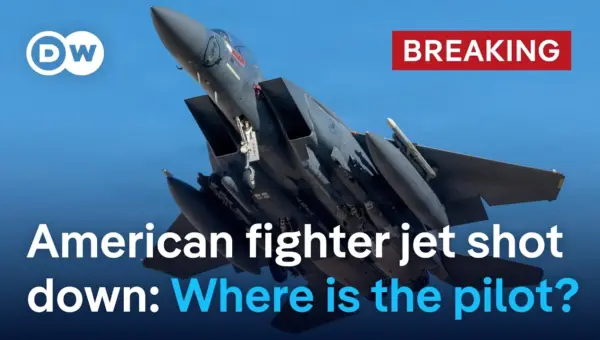
An American F-15 fighter jet has been shot down over Iran, with U.S. officials confirming the loss but offering few details on the crew's fate. The incident occurs amid widespread public opposition to the war and raises questions about Iran's air defense capabilities.
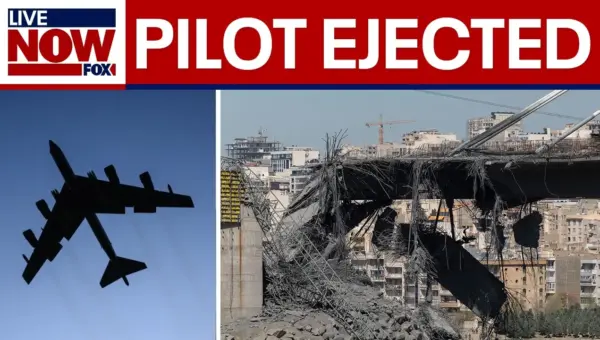
Iran Claims US Pilot Ejected; US Silent Amid Escalating Tensions
Iran claims a U.S. pilot ejected from a fighter jet over its territory, offering a reward for capture. The U.S. has not confirmed the report amid escalating regional tensions. Military experts discuss the strategic implications of U.S. strikes and the potential for internal change in Iran.

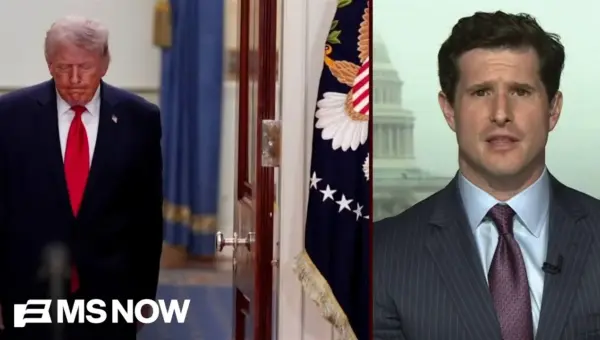
Trump Weighs War Exit Amid Iran Strikes and Internal Debate
President Trump is reportedly facing internal debate over how to end the escalating conflict with Iran, according to a new Time Magazine report. While publicly vowing to increase strikes, privately Trump seeks an "off-ramp" to declare victory and avoid domestic backlash, even as advisors express surprise at Iran's retaliatory attacks.