Trump Escalates Iran Tensions: A New Global Crisis?
Former President Donald Trump's recent strong warnings against Iran are raising global concerns about a potential new conflict. Analysts Adam Mockler and Ahmed Baba are breaking down these escalating tensions. The situation highlights the complex history of U.S.-Iran relations and the potential for significant geopolitical fallout.


Trump’s Latest Threats Against Iran Spark Global Concern
Former President Donald Trump has recently issued strong warnings against Iran, raising fears of a potential new conflict. These statements, made alongside journalist Ahmed Baba, suggest a significant shift in foreign policy rhetoric that could have serious global implications. The situation demands a closer look at the specifics of these threats and what they might mean for international relations.
Examining the Threats and Their Context
The core of the discussion revolves around Trump’s direct and forceful language concerning Iran. While the exact nature of the threats isn’t detailed in the provided transcript snippet, the emphasis on them being the “LARGEST DAY OF WAR YET” indicates a heightened level of tension. This kind of rhetoric is not new from Trump, who has a history of taking a hard line on Iran. During his presidency, he withdrew the U.S. from the Iran nuclear deal and imposed significant sanctions, aiming to curb Iran’s nuclear program and influence in the region.
Ahmed Baba, a journalist known for his reporting on international affairs, joins Adam Mockler to break down these developments. Their analysis likely aims to provide context and explain the potential consequences of such aggressive posturing. Understanding the background of U.S.-Iran relations, marked by decades of mistrust and intermittent confrontation, is crucial to grasping the gravity of these new statements.
Why This Matters
The implications of heightened tensions between the U.S. and Iran extend far beyond the two nations. Iran is a major player in the Middle East, a region already fraught with instability. Any military escalation could destabilize oil markets, disrupt global trade routes, and potentially draw other regional powers into the conflict. For the United States, a conflict with Iran would carry immense human and financial costs, diverting resources and attention from other pressing domestic and international issues.
Furthermore, Trump’s willingness to engage in such strong rhetoric, even outside of his presidency, suggests a potential return to a foreign policy approach that prioritizes unilateral action and strongman diplomacy. This could signal a departure from more traditional diplomatic efforts and alliances, impacting how the U.S. engages with the international community on various fronts.
Historical Background and Future Outlook
The relationship between the United States and Iran has been complex and often adversarial since the 1979 Iranian Revolution. Key historical moments include the Iran hostage crisis, the U.S. support for Iraq during the Iran-Iraq War, and more recently, the aforementioned withdrawal from the nuclear deal. Each of these events has shaped the current geopolitical landscape and contributed to the deep-seated animosity.
Trump’s approach during his presidency was characterized by a policy of “maximum pressure,” which involved strict economic sanctions and a strong military presence. While supporters argued this approach weakened Iran and curbed its aggression, critics pointed to the increased suffering of the Iranian people and the heightened risk of conflict. The current statements suggest a potential revival of this confrontational strategy.
The future outlook remains uncertain. The effectiveness of such aggressive tactics in achieving foreign policy goals is a subject of ongoing debate. While they might project strength, they also risk alienating allies and provoking dangerous responses. A more diplomatic approach, focused on de-escalation and negotiation, might offer a path toward stability, though it requires patience and a willingness to engage with adversaries. The statements from Trump indicate a preference for the former, which could lead to a more volatile period in international relations if acted upon.
Ultimately, the rhetoric surrounding U.S.-Iran relations is a critical indicator of global stability. The analysis provided by Mockler and Baba likely serves as a vital guide for understanding these complex dynamics and their potential consequences for the world stage.
Source: 🚨Emergency UPDATE: LARGEST DAY OF WAR YET (YouTube)

Related Articles
Trump’s Iran Threat Sparks Global Alarm, Experts Fear Rogue Nation Status
Former President Donald Trump's dire threats against Iran have ignited global alarm, with analysts warning of potential rogue nation status for the U.S. Amid stalled negotiations and deep skepticism from regional diplomats, concerns are mounting over the implications for global stability and the future of liberal democracy. Millions in Iran are living in fear as conflict intensifies and a critical deadline looms.
Dem Rep. Slams Trump’s Iran Threats as ‘Disgusting’
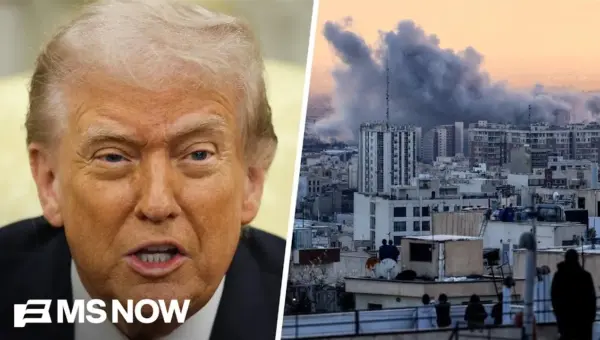
Representative Adam Smith voiced grave concerns over President Trump's threats against Iran, labeling them 'disgusting' and damaging to America's global standing. He urged Congress to curb presidential power and questioned the strategic goals and potential for war crimes associated with targeting civilian infrastructure.
Military Experts Weigh In on Trump’s Iran Threats
Military experts are expressing grave concerns over President Trump's threats to "wipe out civilization" in Iran, warning of potentially illegal orders and the dangerous impact on service members. Experts believe the rhetoric is counterproductive and may inadvertently strengthen the Iranian regime by playing on national patriotism.