Trump Escalates Iran Conflict, Faces Growing Domestic Opposition
President Trump's conflict with Iran escalates, drawing international concern and sparking sharp bipartisan debate in Washington. While the administration defends its actions, critics label it a "war of choice" and question the strategy, even as reports surface of potential ground troop considerations and Russia's involvement.

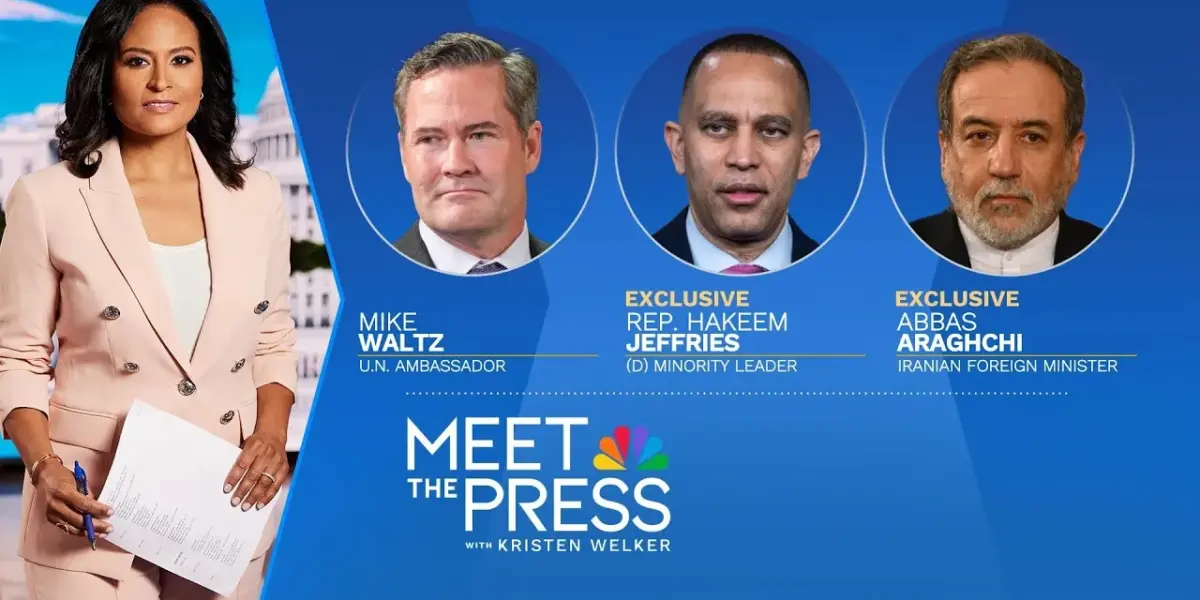
Trump Defends Iran Strikes Amidst Escalating Conflict and Domestic Criticism
The United States is now one week into a widening conflict with Iran, a military engagement that has rapidly spread across the Middle East, drawing in at least 15 countries. President Trump, while defending his decision to strike, faces mounting bipartisan criticism and questions about the administration’s strategy and objectives. The conflict has already resulted in the deaths of six U.S. servicemembers, honored at a somber dignifed transfer ceremony at Dover Air Force Base, and has sparked international concern.
“War of Choice” Fuels Bipartisan Divide
The escalating tensions have sharply divided political factions in Washington. Democrats have largely characterized the conflict as a “war of choice” initiated by the Trump administration, arguing that there was no presented evidence of an imminent threat from Iran. House Democratic Leader Hakeem Jeffries stated, “The American people don’t want to see billions of dollars being spent to bomb Iran in the Middle East, while at the same period of time, my Republican colleagues and this President are unwilling to spend a dime to lower their grocery bills.” Jeffries also emphasized that President Trump has failed to make a compelling case to the American people for the necessity of the conflict, particularly in light of past costly Middle Eastern engagements.
U.S. Ambassador to the United Nations, Mike Walls, however, presented a starkly different perspective. He asserted that Iran initiated the conflict in 1979 and has been at war with the U.S. through proxy attacks for decades, resulting in the deaths of hundreds of American soldiers. “Thank God for President Trump. He is taking the old, decisive action that so many of his predecessors have failed to do, to end it, and to end this threat to the American people and our allies once and for all,” Walls declared. He detailed the military’s achievements, including the degradation of Iran’s air force, air defenses, and ballistic missile capabilities, stating that the administration is “laying out the case on how we are going to protect the American people and eliminate this threat on once and for all.”
Ambiguous Endgame and Ground Troop Considerations
President Trump has publicly demanded Iran’s “unconditional surrender” before any deal can be made to end the fighting. Ambassador Walls elaborated that this means “no nuclear weapons program, no ballistic missiles that can deliver a nuke… and enough is enough with this ongoing 47-year support of terrorism all over the world.” However, the administration has remained tight-lipped about the specific endgame, fueling speculation about potential future actions.
Adding to the complexity, NBC News has reported that President Trump has privately shown serious interest in deploying U.S. ground troops to Iran. When questioned on this possibility, Trump stated on Air Force One, “Could there be? Possibly, for a very good reason. Have to be a good reason. And I would say if we ever did that, they would be so decimated that they wouldn’t be able to fight at the ground level.” Democratic leaders, including Hakeem Jeffries, have strongly opposed such a move, with Jeffries stating, “No, and in fact, Candidate Trump suggested that under no circumstances should American servicemen and women be put in harm’s way in this particular type of situation, particularly, as it relates to another endless war in the Middle East.”
Russia’s Role and Sanctions Relief
The conflict has also brought to light concerns about Russia’s involvement, with NBC News reporting that Russia is providing Iran with intelligence on the location of U.S. forces in the Middle East. Ambassador Walls acknowledged a “symbiotic relationship” between Russia and Iran, but argued that any intelligence provided has not been effective, given the U.S. military’s successes against Iranian forces. He also addressed the Treasury Department’s decision to ease oil sanctions on Russia, characterizing it as a temporary measure to allow millions of barrels of oil to reach refineries, and not as assistance to Russia’s war effort in Ukraine. “At the end of the day, this is going to be a temporary issue, this is going to be, looks like, a bit of short-term pain for the long-term gain of Iran no longer being able to hold the world energy supplies hostage,” Walls explained.
Domestic Policy Shakeups and Midterm Signals
Beyond foreign policy, the Trump administration is also navigating domestic challenges. Homeland Security Secretary Kristi Noem was reportedly fired amidst a controversial immigration crackdown, drawing bipartisan blowback. Democrats, including Hakeem Jeffries, have called for significant policy changes within ICE, stating that a change in personnel is insufficient. “What we need is a change in policy, not just a change in personnel,” Jeffries asserted, calling for “dramatic, bold and transformational changes to get ICE under control.”
Meanwhile, a new NBC News poll indicates President Trump is struggling on the economy, while Democrats hold an enthusiasm advantage heading into the midterms, despite voter skepticism towards the party itself. Political analysts, including Susan Page and Amy Walter, are closely watching these developing trends as the political landscape continues to shift.
Iran’s Perspective on the Conflict
Speaking to Meet the Press, former Iranian Foreign Minister Abbas Araghchi presented Iran’s narrative of the conflict. He stated that Iran is engaged in self-defense against unprovoked aggression by the United States and Israel, and that Iranian actions are aimed at American bases and installations located in neighboring countries, not the neighbors themselves. “We are not attacking our neighbors, we are attacking Americans who are attacking us. We are retaliating,” Araghchi said.
Araghchi also addressed the controversial strike on a school in southern Iran, which President Trump alleged Iran was responsible for. Araghchi countered, “It is our school, these are our students, our girls, and they were attacked by an American jet fighter and they have been killed. Why is Iran responsible?” He also confirmed that Iran has a “strategic partnership” with Russia, which includes military cooperation, though he could not confirm if Russia was providing intelligence to locate U.S. forces.
Looking Ahead
As the conflict with Iran intensifies, the Trump administration faces the dual challenge of managing international escalation and domestic political fallout. Key questions remain about the long-term strategy, the potential for ground troop deployment, and the efficacy of sanctions. The upcoming midterm elections will serve as a crucial barometer of public sentiment regarding the President’s handling of both foreign and domestic policy, with the ongoing war in the Middle East likely to be a dominant issue.
Source: Meet the Press Full Episode — March 8 (YouTube)

Related Articles

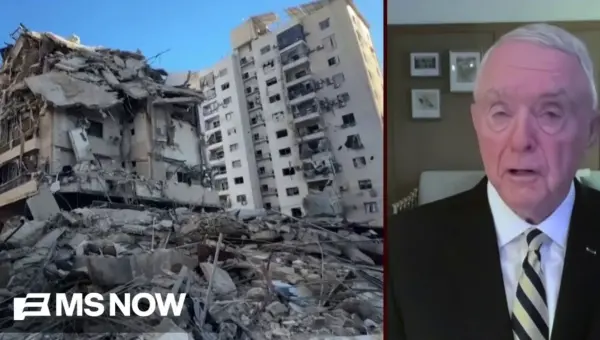
Iran Conflict: Military Success Masks Diplomatic Uncertainty
Retired General Barry McCaffrey assesses the remarkable military successes against Iran, including air dominance, but warns of significant diplomatic challenges ahead. The effectiveness of advanced technology in warfare is contrasted with the uncertain political endgame and potential for Iranian economic pressure and terrorism.


Iran’s Pain Strategy: How Gas Prices Could Sink Trump’s Election Hopes
Iran's strategy to inflict maximum pain on the US through economic disruption, particularly rising gas prices, could significantly impact Donald Trump's political future. This analysis delves into Iran's calculated approach to deterrence and the broader regional implications.

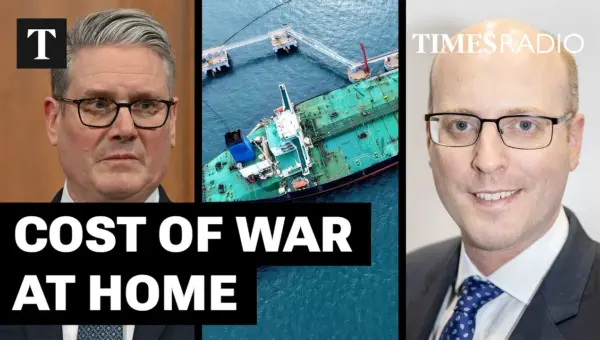
UK Govt Fears Iran War Economic Fallout, Energy Bills Set to Soar
The UK government is deeply concerned about the economic fallout from the escalating Iran conflict, with fears of a significant surge in energy bills by June. Rising oil prices and inflation are creating a cost-of-living crisis, while diplomatic relations and future trade terms hang in the balance.