Trump Ends Iran ‘Forever War’: Military Campaign Praised
The U.S. military is executing a long-planned campaign against Iran, aiming to end a 47-year conflict. Former CENTCOM commander General Frank McKenzie confirmed the extensive preparation behind the operations. President Trump is maintaining pressure on Iran, signaling potential escalation if demands are not met.

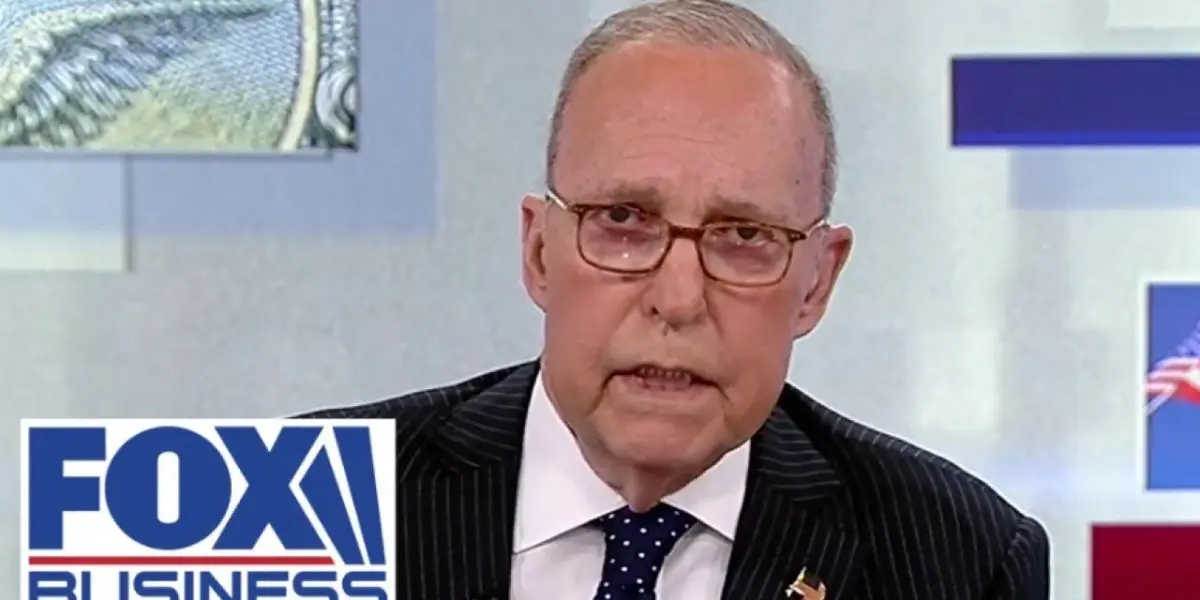
Trump Pursues End to Decades-Long Conflict with Iran
The United States military is executing a carefully planned campaign against Iran, a move aimed at resolving a conflict that has spanned nearly five decades. This strategy, championed by President Trump, seeks to end what is described as a “forever war” against U.S. interests. The operation is built on years of preparation, countering claims by some critics that there was no adequate planning.
Military Preparedness Highlighted by Former CENTCOM Chief
Retired General Frank McKenzie, the former commander of U.S. Central Command (CENTCOM), has affirmed the long-term nature of the U.S. strategy against Iran. He stated on a Sunday talk show that the current military actions are not rushed decisions. “These are not back of the envelope calculations,” McKenzie explained. “These are things we’ve been working on for many years.” He emphasized that the operations are part of a plan that has existed for a considerable time, including considerations for seizing strategic locations along Iran’s coast.
Strategic Options Considered for Years
General McKenzie detailed potential military options that have been under review for an extended period. These included seizing islands and small bases, often envisioned as raids with planned withdrawals. However, some options involved holding territory. “You’re not going to stay,” McKenzie said of typical raids. “But some of those islands you could seize and hold.” Such actions, he noted, would have a “profoundly humiliating” effect on Iran.
Historical Context of U.S. Stance on Iran
The current U.S. approach under President Trump contrasts with a history where various administrations have acknowledged Iran as a significant threat. Both Democratic presidents, including Clinton, Obama, and Biden, and Republican leaders like Reagan and Bush, have previously identified Iran as a global threat. This threat encompasses nuclear ambitions, support for terrorism, and actions that undermine the stability and prosperity of the Middle East and beyond. Tragically, the U.S. has lost thousands of military personnel or their proxies to Iran’s actions over the past 47 years.
Trump Administration Escalates Pressure
President Trump’s administration is maintaining significant pressure on Iran. Information shared by CENTCOM with the President indicates that the U.S. is ahead of schedule in its operations. This sustained pressure is intended to compel Iran to meet American conditions for ending the conflict. Reports suggest a potential new Pentagon push to address key issues such as maritime security in the Strait of Hormuz, Iran’s economy, and its enriched uranium program. The administration is signaling to Iran’s leadership that if they do not comply, the pressure will increase substantially, possibly within days.
Criticism and Military Execution
Critics, including many Democrats, have voiced opposition to the military actions, often questioning the planning and predicting a protracted conflict. However, proponents argue that these criticisms misunderstand the situation and insult the U.S. military’s capabilities. The key point, they assert, is that the military is executing a pre-planned mission brilliantly. General McKenzie, described as a truth-teller rather than a partisan figure, provides a non-political assessment of the military’s readiness and the strategic depth of the operations.
What Investors Should Know
The sustained pressure on Iran and the potential for significant geopolitical shifts in the Middle East could impact global energy markets. Oil prices, in particular, may experience volatility depending on the escalation or de-escalation of tensions. Investors in sectors related to defense and energy should monitor developments closely. The long-term implications involve the potential for a more stable Middle East, which could foster economic growth, or increased regional instability, which could disrupt supply chains and investment flows.
Market Impact
Geopolitical tensions involving major oil-producing regions like the Middle East often lead to price fluctuations in the energy sector. While the U.S. military campaign aims to resolve a long-standing conflict, the immediate aftermath could see market uncertainty. Investors will be watching for any signs of direct conflict escalation or successful diplomatic outcomes. The economic impact on Iran itself, if sanctions are tightened or military actions intensify, could also affect global trade patterns and commodity prices. The successful execution of a pre-planned strategy, as described by military officials, could eventually lead to a more predictable regional environment, benefiting long-term investment.
Source: Larry Kudlow: Trump seeks to end this forever war against the US (YouTube)

Related Articles

Gulf Allies Urge Trump to Continue Iran Conflict
U.S. allies in the Persian Gulf are urging President Trump to intensify military action against Iran, believing Tehran has not been sufficiently weakened. The ongoing conflict raises concerns about regional stability and global energy prices, while questions linger about the administration's long-term strategy.

Middle East Conflict Sends Gas Prices Soaring Past $4
The national average gas price has surpassed $4 per gallon for the first time since 2022, driven by escalating conflict in the Middle East. Recent attacks on oil tankers and military strikes have heightened fears of energy supply disruptions, impacting consumers globally.
US Weighs Troop Deployment Amid Iran Deal Push
The U.S. is considering deploying ground troops to Iran while simultaneously pushing for a diplomatic deal to reopen the Strait of Hormuz. Air strikes are ongoing as President Trump increases pressure on Iran.