Trump Eases Sanctions, Oil Prices Plummet; Crypto Markets Watch
Former President Trump's announcement to potentially ease oil sanctions has caused a significant drop in crude oil prices, sparking market optimism. However, analysts caution that geopolitical conflicts are complex, and conflicting signals may prolong uncertainty, impacting both traditional markets and the cryptocurrency sector.

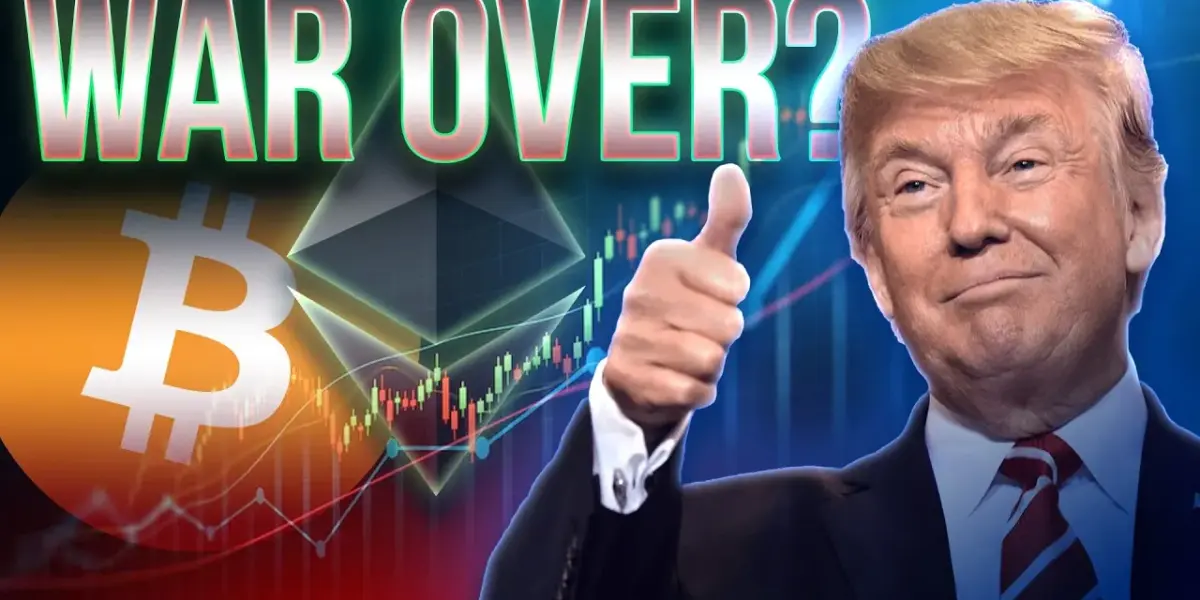
Trump Signals Shift in Sanctions, Triggering Oil Price Drop
In a significant geopolitical development that has sent ripples through global markets, former President Donald Trump announced a potential easing of oil-related sanctions, signaling a de-escalation in international tensions. This announcement immediately impacted oil prices, causing West Texas crude to fall from a critical $120 a barrel to below $90 a barrel. The move appears to be a strategic effort to stabilize energy markets and potentially reduce global economic pressures.
Geopolitical Maneuvers and Market Reactions
Trump’s statement, delivered with a focus on improving international relations and ensuring global stability, specifically mentioned waiving certain oil sanctions to bring down prices. He referenced a desire for peace and hinted at the US Navy’s readiness to escort tankers through critical waterways like the Strait of Hormuz if necessary, though expressing hope for a peaceful resolution. This announcement immediately corrected the upward trajectory of oil prices, which had seen a spike amidst ongoing conflict and supply chain concerns.
The geopolitical situation, particularly the conflict between Russia and India, was a key factor influencing oil reserves and market responses. An alignment or de-escalation in the Middle East, coupled with the avoidance of worldwide energy shortages, is seen as beneficial for the global economy. However, questions linger about the longevity of this de-escalation and whether it represents a genuine shift or a temporary measure to stabilize markets before upcoming political events.
Analyzing the Strategy: Escalation, Rhetoric, and De-escalation
Analysts are dissecting Trump’s approach, comparing it to his previous tariff strategies. The pattern observed involves several stages:
- Ramp-up: Initial escalation of tensions or policies.
- Engagement: Direct involvement or action.
- Friday Night Narrative: A specific communication strategy, often around a weekend.
- Expansion: Broadening the scope of actions or rhetoric.
- Perpetual Conflict Framing: Suggesting the situation could last indefinitely.
- Market Reaction: Observing how financial markets respond to the developments.
- Conditional De-escalation: Hinting at a potential rollback or easing of measures, often tied to specific conditions or political timing.
The current situation is seen by some as fitting into this Step 7, a conditional de-escalation phase. This strategy, while potentially effective in managing short-term market sentiment, is complex. Unlike tariff policies which could be adjusted unilaterally, geopolitical conflicts involve multiple independent actors with their own agendas. The statements from figures like Pete Hegseth, indicating continued strikes even after Trump’s de-escalation remarks, highlight the conflicting signals and the difficulty in maintaining a unified strategy.
Conflicting Signals and Market Uncertainty
The market’s reaction is being closely watched. While there’s a desire to believe in a swift resolution, the inherent volatility of geopolitical conflicts means that the reality could be longer and more impactful than anticipated. The possibility of conflicting statements, such as Trump’s remarks about wrapping up the war followed by a vow to “crush Iran,” creates a complex narrative. Markets may eventually ‘sniff out’ the underlying reality, potentially leading to volatility if expectations of a quick resolution are unmet.
The Strait of Hormuz and Economic Impact
Traffic through the Strait of Hormuz, a critical chokepoint for global oil supply, saw a significant dip between March 3rd and March 8th. Following the recent announcements, there has been an observed increase in movement through the strait. This is a positive indicator, but the long-term implications for oil supply and global energy prices remain a key concern.
The economic cost of ongoing conflicts is substantial. Reports suggest that the war is costing approximately $1 billion per day, with significant expenditures on weapons and equipment, including hundreds of Tomahawk missiles. Beyond the financial cost, the human toll, both for military personnel and civilians, adds another layer of complexity and potential for public sentiment to shift.
Compounding Shocks and Economic Resilience
Economists like Mohamed El-Erian warn about the global economy’s increasing vulnerability to frequent and violent shocks. The loss of unifying themes and the compounding effect of multiple crises—from labor market dynamics and inflation to geopolitical instability—can erode financial and human resilience. This suggests a period of heightened volatility for both traditional assets and the cryptocurrency market.
Crypto Market Outlook: Clarity Act and Political Cycles
Within the cryptocurrency space, regulatory clarity remains a significant factor. The passage of the Clarity Act, particularly concerning stablecoins, is seen as a crucial development. There is a tight timeline for its approval, with many anticipating that if it is not passed before upcoming mid-term elections, especially if the Republicans lose control of the House, the bill could face significant hurdles or become defunct.
Prediction markets currently place the odds of the Clarity Act passing around 70%, with a potential deadline before the midterms or even Easter. The outcome of these elections and the subsequent legislative landscape could significantly influence the regulatory environment for digital assets. A poll indicated that a majority of respondents believe the finalization of the Clarity Act would be a key event marking the bottom of the crypto market and potentially triggering the next bull run.
Volatility and Investor Sentiment
The current market sentiment is mixed, with some indicators pointing towards continued bearishness despite the positive geopolitical signals. The interplay between international relations, energy prices, economic stability, and regulatory developments creates a complex environment. Investors are closely monitoring these factors, with significant volumes of capital waiting on the sidelines, indicative of the uncertainty surrounding the compounding effects of various global issues.
The potential for a protracted conflict, even if tensions ease, means that the ripple effects on energy prices and broader markets could persist. As the political landscape evolves, particularly with upcoming elections, the focus will remain on how these geopolitical and economic shifts translate into tangible policy changes and market movements, both in traditional finance and the burgeoning digital asset space.
Source: Trump Signals War Over?🚨Crypto Market Update (YouTube)

Related Articles

US Escalates Iran Strikes Amid Casualty Surge, Oil Price Volatility
The U.S. has intensified its military strikes in Iran amidst rising U.S. service member casualties and significant oil price volatility. Conflicting messages from the administration on the war's endgame and timeline are fueling uncertainty, while regional tensions and market reactions to the conflict in the Strait of Hormuz remain critical.


US Service Members Hurt in Iran War; Trump Issues Mine Threat
At least 140 U.S. service members have been injured in the ongoing conflict with Iran, the Pentagon confirmed. President Trump issued a stern warning against Iran mining the Strait of Hormuz, threatening unprecedented military consequences. Meanwhile, a manhunt is underway in Canada after a shooting at the U.S. Consulate in Toronto.
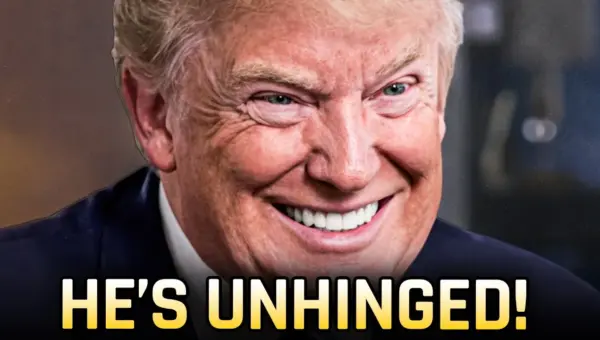
Trump’s Rhetoric Ignites Global Market Mayhem
Global markets experienced a significant downturn as oil prices surged, exacerbated by geopolitical tensions and Iran's attacks on regional infrastructure. Analysts criticize unclear U.S. policy responses, while former President Trump's rhetoric is seen as dangerously dismissive of the risks.