Trump Downplays Iran War as Conflict Escalates, Oil Prices Soar
President Trump described the escalating conflict in Iran as a "little excursion," despite mounting evidence of increased attacks, disruption of global oil supplies, and rising prices. Experts are questioning the administration's strategy and downplaying of risks as tensions intensify.

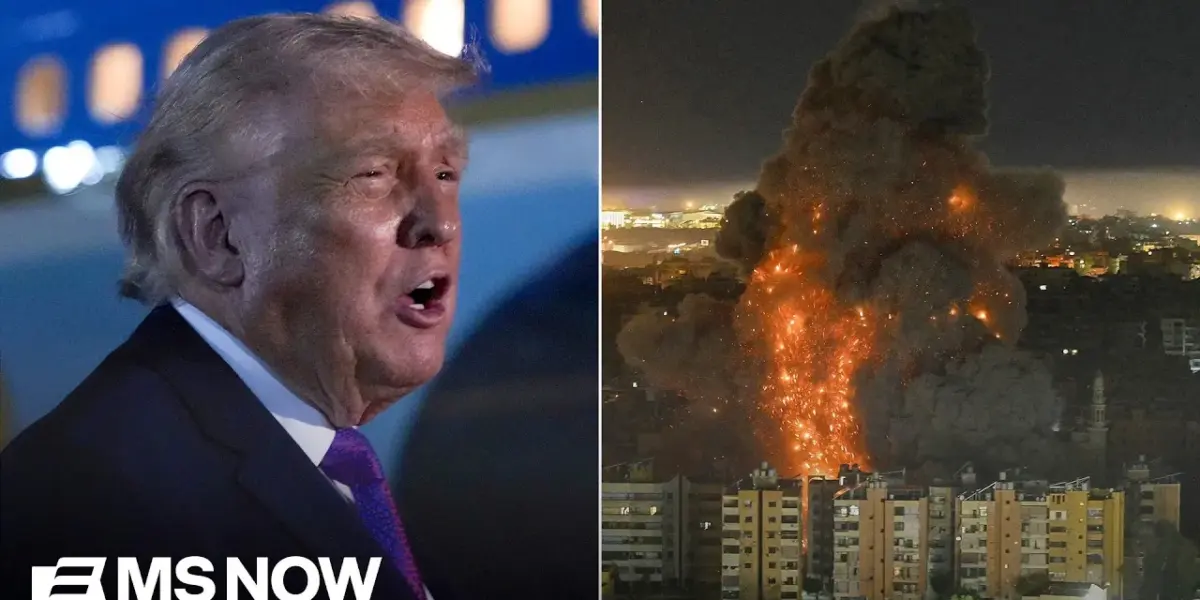
Trump Calls Iran Conflict a “Little Excursion” Amid Escalating Tensions
President Trump characterized the ongoing military engagement in Iran as a “little excursion” during a recent trip to Ohio and Kentucky, despite escalating conflict and its significant impact on global oil prices. The president’s remarks, made while promoting his economic agenda, sharply contrasted with the reality of the situation on the ground, where Iran has launched its most intense attacks yet and commercial shipping lanes are under threat.
Iran Escalates Attacks, Disrupts Key Oil Route
The conflict in Iran has intensified significantly, with reports of three commercial ships being attacked in the Strait of Hormuz. Iran has claimed responsibility for one of these attacks. In a further escalation, two more tankers were attacked in Iraqi waters, deeper within the Persian Gulf. These attacks have had immediate economic repercussions, forcing the International Energy Agency to approve the largest-ever release from emergency oil reserves to stabilize markets.
“It’s both,” Trump stated when pressed about his contradictory descriptions of the situation as both a “little excursion” and a “war.” He added, “We’re not leaving until that job is the last finish that is going to be very fast, it’s going to be very fast.” This assertion, however, comes as Iran has promised further escalation and has demonstrated its capability to disrupt crucial energy supplies.
Experts Question Administration’s Strategy and Downplaying of Risks
National security reporters and foreign policy analysts have voiced significant concerns regarding the administration’s handling of the Iran conflict and its apparent downplaying of the escalating risks. David Rode, MSNBC Senior National Security Reporter, noted that “Many, many sort of trends are shifting in Iran’s direction.” He highlighted that Iran has successfully stopped oil flow through the Strait of Hormuz, forcing the U.S. Navy to deem escorting tankers unsafe.
John Avalon, journalist and host of The Bulwark podcast, echoed these concerns, stating, “The administration clearly miscalculated; they thought that these strikes on Iran were going to be restricted to that geography and they haven’t.” Avalon pointed out that the conflict has widened beyond its initial scope, involving numerous countries and expanding into other territorial waters, indicating that “the horse is out of the barn.”
“The chaos will continue whether they want to declare THEY’RE A VICTORY, MISSION ACCOMPLISHED OR NOT. AND THAT’S WHERE THE TRAGEDIES WILL START COMPOUNDING.”
John Avalon
Economic Fallout: Rising Oil Prices and Market Volatility
The disruption to oil shipments from the Strait of Hormuz, a critical global trade route through which 20% of the world’s energy supply passes, has led to a surge in oil prices and significant market volatility. Despite a large release from emergency oil reserves, experts anticipate it will take weeks for prices to stabilize.
David Gurra, host of Bloomberg’s “This Weekend,” observed the market’s reaction, noting, “These are swings we haven’t seen throughout history. I mean, there are huge swings in the oil market.” He suggested that the unpredictable market behavior and the economic consequences must be a cause for concern for the president, who pays close attention to market performance.
Concerns Over Unaccounted Nuclear Material and Long-Term Strategy
Beyond the immediate security and economic concerns, there are significant worries about Iran’s nuclear program. Reports indicate that 1,000 pounds of enriched uranium remain unaccounted for following U.S. strikes. This raises questions about the administration’s ability to declare victory and prevent Iran from rebuilding its nuclear capabilities.
“I don’t understand how the president declares victory. I mean, it’d be a huge success for Iran. They would say we stood up to the Americans. We survived. The regime is still here. We still have this enriched uranium,” stated one analyst. The potential for this material to be scattered across the country amid ongoing chaos adds another layer of profound risk.
Calls for Transparency and Accountability
Democrats are calling for public hearings to address the unclear goals and timelines of the military operation in Iran. Democratic strategist Joel Payne emphasized the public’s right to accountability, stating, “I think that is a part of public pressure. You have to have people engaged and actually understanding why it is such a horror that the president is misleading them.”
Payne criticized the administration’s communication, particularly regarding a tragic incident involving an American Tomahawk missile that killed 175 people, the majority of them elementary school students. “And the fact that we have this crisis of information, we have a president who you literally cannot trust the words that are coming out of his mouth,” Payne remarked, underscoring the need for greater transparency and honesty with the American people.
Broader Implications and Future Outlook
The current situation in Iran raises broader questions about U.S. foreign policy, the effectiveness of military intervention, and the administration’s commitment to its “America First” platform. Critics argue that the impulsive nature of the conflict and the lack of a clear case made to the American people stand in stark contrast to campaign promises of ending “forever wars.”
The escalating global tensions, coupled with domestic concerns about homeland security and economic stability, present a challenging landscape. The financial cost of the war, estimated to be over a billion dollars a day, further exacerbates these issues. As the situation continues to evolve, the focus will remain on the administration’s ability to manage the escalating conflict, stabilize global markets, and address the long-term implications for U.S. foreign policy and national security.
Source: "A little excursion": Trump downplays war in Iran (YouTube)

Related Articles
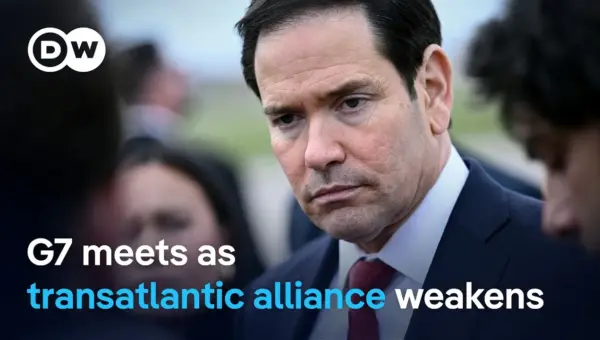
G7 Allies Clash Over Iran War Strategy, Urge Focus on Russia
G7 foreign ministers met in Paris, revealing deep divisions over the U.S. war with Iran. European allies urged the U.S. to pressure Russia, linking its actions to the conflict and fearing support for Ukraine will wane.
Iran Blocks China Ships, Exposing Beijing’s Weak Grip
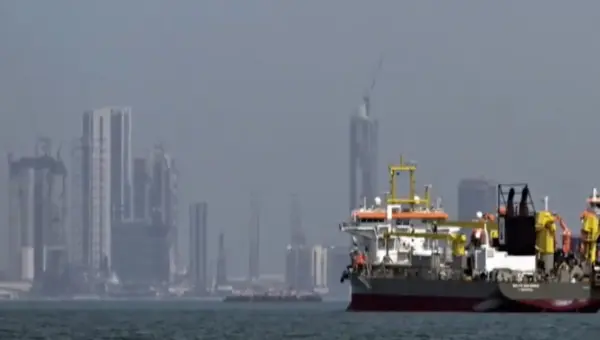
Iran's recent decision to block Chinese ships at the Strait of Hormuz is exposing the limits of Beijing's influence in the Middle East. This action is causing delays and cancellations for Chinese manufacturers, turning a perceived geopolitical win into an economic strain.
Rubio: US Can Achieve Iran War Goals Without Troops
Senator Marco Rubio outlined a strategy to counter Iran without deploying U.S. ground troops, focusing on weakening the regime and enhancing maritime security. He also criticized Cuba's economic system and expressed concerns about West Bank violence.