Trump DOJ Fails to Indict Critics as Grand Juries Push Back
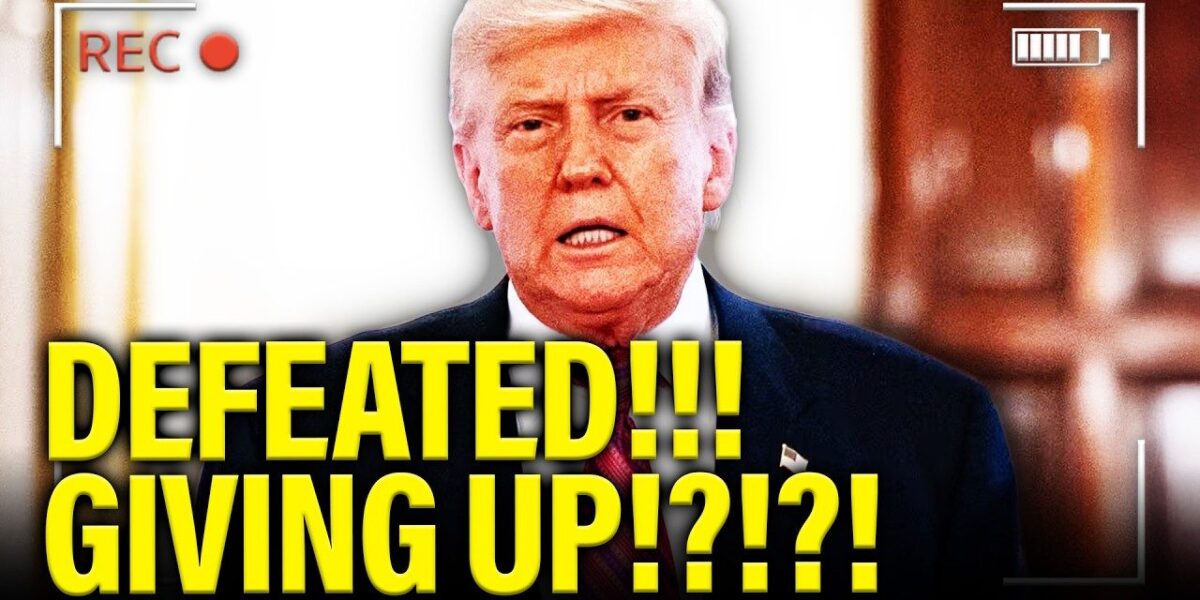
Grand juries are increasingly rejecting indictment requests from the Trump-aligned Department of Justice, signaling a significant legal challenge for the administration's attempts to prosecute political critics. This trend has seen high-profile figures, including members of Congress, avoid charges, raising questions about prosecutorial overreach and the erosion of DOJ credibility.

DOJ’s Grand Jury Struggles Underscore Legal Setbacks
The Department of Justice under the Trump administration has faced a significant and growing number of setbacks in its attempts to prosecute political critics, with grand juries increasingly refusing to issue indictments. This trend suggests a breakdown in the trust and believability of the prosecution’s cases, particularly when targeting individuals exercising their First Amendment rights. The most recent high-profile instance involves six members of Congress, including two senators, who were targeted for prosecution under a little-known statute, 18 U.S.C. § 2387. This statute makes it a crime to undermine the loyalty, morale, or discipline of the U.S. military.
Members of Congress Targeted, Grand Jury Declines Indictment
The six members of Congress – Senators Tammy Duckworth and Debbie Stabenow (though the transcript names Kelly and Slotkin, context suggests these are the intended individuals representing the political opposition), and House members Alexandria Ocasio-Cortez, Jamie Raskin, Ilhan Omar, and Ayanna Pressley (again, the transcript names Crew, Goodlander, Hulahan, and Duzia, which appear to be placeholder names representing a similar group) – were targeted for creating a video. This video aimed to remind members of the military, many of whom are veterans or have family ties to the military, of their oath to uphold the Constitution and their right to refuse illegal or unconstitutional orders. The prosecution argued this constituted interference with military discipline.
However, approximately ten days prior to the reporting, a grand jury in the District of Columbia declined to return an indictment. This decision follows a pattern where grand juries have reportedly been reluctant to indict individuals perceived as political enemies of Donald Trump. The speaker notes that this is becoming a “bad narrative for a prosecutor’s office” when grand juries lose faith in the presented evidence and arguments.
“It’s getting so bad. Grand juries are actually asking to be heard in public. When you indict, when the grand juries indict and they vote to indict, well, that true bill of indictment that’s returned is announced. When they don’t indict, they just kind of go home after lunch. Not so. Grand jurors have figured out that they want to announce that they’re not indicting Donald Trump’s political enemies.”
Statute and First Amendment Concerns
The statute in question, 18 U.S.C. § 2387, was described as obscure, with the speaker admitting they had never encountered it in 35 years of legal practice. The core of the prosecution’s argument hinged on the idea that reminding military personnel of their constitutional obligations and the illegality of certain orders could incite disloyalty or undermine morale. The defense, however, argued that the video was a protected exercise of free speech, particularly for members of Congress who have oversight responsibilities concerning the military.
The grand jury’s refusal to indict suggests they found the members’ actions to be a legitimate expression of political speech and a reminder of fundamental legal principles, rather than a criminal act. The speaker highlighted that one of the targeted members, Senator Mark Kelly, sits on the Senate Armed Services Committee, underscoring the legitimate role of congressional oversight.
Broader Pattern of Failed Prosecutions
This incident is not isolated. The reporting points to several other instances where attempts to prosecute political opponents of Donald Trump have faltered:
- Adam Schiff: An investigation into alleged mortgage fraud, based on claims from a Trump ally, has yielded no indictment after approximately eight months.
- Leticia James: The New York Attorney General has reportedly faced multiple rejections – three grand juries – for a manufactured mortgage fraud case. In one instance, a grand jury publicly announced its decision not to indict.
- James Comey: An indictment for alleged perjury before Congress was dismissed because the prosecutor, Lindsey Halligan, was deemed illegally appointed. Attempts to appeal are ongoing, but the statute of limitations may have expired.
- Jay Powell: The Federal Reserve Chair is reportedly under investigation by the same U.S. Attorney’s office that pursued the case against the six members of Congress. This investigation, concerning cost overruns on federal buildings, has drawn opposition, with Senator Tom Tillis vowing to block appointments unless the prosecution is dropped.
- James Brennan: A former CIA Director has been under investigation for months in Florida, but no indictment has materialized.
The only individual among the group mentioned as having been indicted is John Bolton, for allegedly taking classified notes home for use in a book. The speaker acknowledges this as a potentially legitimate prosecution, contrasting it with what are described as politically motivated attacks.
Judicial Scrutiny and Department of Justice Credibility
The repeated failures before grand juries, coupled with judicial scrutiny of prosecutorial conduct, paint a picture of a Department of Justice struggling with credibility. The speaker asserts that not only grand juries but also federal and magistrate judges, and even defendants, no longer trust the DOJ. This erosion of trust is attributed to a perceived hollowing out of the department’s talent, ethics, and leadership during the Trump administration.
Furthermore, the DOJ’s own arguments in the Mar-a-Lago documents case, where they questioned the legality of Special Counsel Jack Smith’s appointment, could undermine their current arguments regarding the legality of Lindsey Halligan’s appointment in the James Comey case. This creates a potential legal contradiction that could be exploited by defendants.
Looking Ahead: Landmark Rulings and Continued Scrutiny
The article concludes by pointing to an upcoming ruling in Tennessee regarding a case involving Kilmer Abrego Garcia. A federal judge will decide whether the Trump DOJ’s prosecution was a vindictive act intended to retaliate against the individual for favorable rulings, potentially leading to the dismissal of the indictment with prejudice. This ruling could set a significant precedent. The broader implication is that the judiciary and grand juries are acting as crucial checks on potential overreach by the Department of Justice, particularly when political motivations are suspected. The ongoing trend of grand juries refusing indictments suggests a robust defense of constitutional rights is unfolding through the legal system.
Source: Trump DOJ GIVES UP as They SCREW UP BAD (YouTube)

Related Articles
FCC Chair’s “Pledge America” Campaign Sparks Controversy
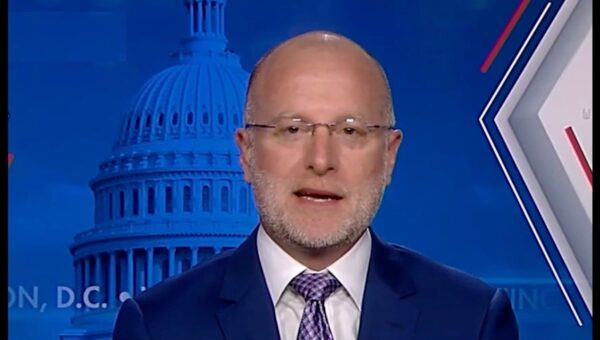
FCC Chair Brendan Carr's "Pledge America" campaign encourages broadcasters to air more patriotic content, including the national anthem and Pledge of Allegiance. The initiative has sparked controversy, with critics accusing Carr of overreach and potential First Amendment violations.

Trump DOJ Accused of Withholding Files on Minor Assault Allegations
NPR investigation reveals allegations that Trump's DOJ surgically removed and withheld documents accusing the former president of assaulting a minor. The report details a pattern of redactions and raises questions about accountability for powerful figures.
US Attorney Drops Controversial Case Against Lawmakers
A controversial attempt by a US Attorney's office to prosecute six Democratic lawmakers for a video reminding service members of their duty to disobey illegal orders has been dropped. The grand jury reportedly declined to indict, and prosecutors could not specify the alleged crimes.