Trump DOJ Antitrust Probe Echoes Watergate Scandal
A sweeping investigation into the Trump administration's Justice Department is drawing parallels to the antitrust roots of the Watergate scandal. Allegations suggest improper influence and threats were used to push through major corporate mergers, including those involving Hewlett-Packard/Juniper Networks and Live Nation/Ticketmaster. Key figures like Mike Davis are at the center of the controversy, accused of leveraging White House access to sway regulatory decisions.

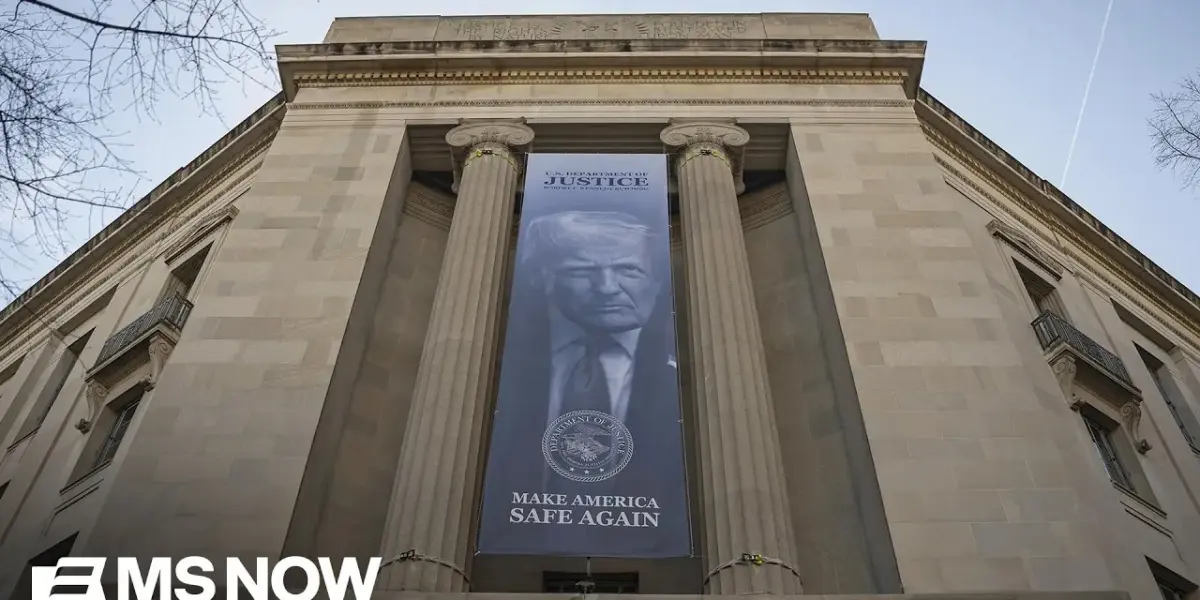
Trump Administration Antitrust Probe Echoes Watergate Scandal
A scandal within the Trump administration’s Justice Department, largely overlooked until now, is drawing comparisons to the antitrust roots of the Watergate affair. Investigations reveal allegations of improper influence and potential corruption in high-stakes antitrust cases, raising serious questions about the integrity of regulatory enforcement.
Echoes of the Past: ITT and Watergate
The current scandal brings to mind a similar controversy in the early 1970s. The Nixon administration faced accusations of interfering with an antitrust case against ITT, a massive conglomerate. The Justice Department was alleged to have gone easy on ITT’s case in exchange for the company funding part of the 1972 Republican National Convention. A Texas Democrat, Wright Patman, attempted to investigate but was blocked by his own party, fearing political fallout in an election year. Patman then passed information to Senator Sam Irvin, whose committee eventually uncovered the details, setting the stage for the infamous Watergate break-in and President Nixon’s eventual resignation.
Mike Davis: A Central Figure
At the heart of the current controversy is Mike Davis, a lawyer who became a prominent public defender for Donald Trump after the Mar-a-Lago search. Davis cultivated a strong relationship with Trump, who publicly praised him and expressed a desire for him to hold a “very high capacity” position. After the election, Davis played a role in recommending individuals for key antitrust enforcement roles, including Gail Slater, whom Trump nominated as Assistant Attorney General to lead the Justice Department’s antitrust division. The Wall Street Journal reported that Davis later boasted about his White House access, claiming corporate clients were “beating his door down.”
Allegations of Threats and Undue Influence
The investigation centers on allegations that Davis, after helping to install regulators, attempted to influence their decisions. In one instance, concerning a $14 billion merger between Hewlett-Packard Enterprises and Juniper Networks, career antitrust lawyers sought to block the deal due to concerns about reduced competition. However, according to sworn testimony from DOJ official Roger Alford, Davis allegedly called Gail Slater, the antitrust chief he helped appoint, and threatened to “destroy” her and her job if the settlement was not approved. Slater reported the call immediately, though Davis denies making the threat.
Circumventing the Process
Despite career lawyers’ objections to the Hewlett-Packard/Juniper merger, the company’s lawyers, allegedly with Davis’s involvement, bypassed agency staff. They reportedly appealed directly to Trump-appointed leadership and used back-channel outreach to senior Justice Department officials. The Wall Street Journal reported that even as Slater instructed the company to cease lobbying efforts, Davis was allegedly meeting privately with top officials. In an extraordinary turn, a settlement term sheet written by Hewlett-Packard’s lawyers, which removed a key divestiture requirement intended to prevent a monopoly, was placed on Slater’s desk.
Pressure and Departures
When Slater questioned what would happen if she refused to sign the settlement, her superior, Associate Attorney General Stanley Woodward, reportedly told her that her deputies would be fired. The next day, the deal was announced. Weeks later, her deputies were terminated, and months after that, Gail Slater herself left the department. The Wall Street Journal reported that Davis pushed for Slater’s removal and publicly celebrated it. In his own deposition, Davis acknowledged recommending her firing to “anyone who would listen.”
State AGs Raise Alarms
The settlement itself faced significant opposition. Thirty-three state attorneys general refused to join the settlement and continued to fight the case in court. They described the events leading to the settlement as “unprecedented” and stated that “threats were made against the head of the antitrust division and her top deputies.” They further argued that the U.S. “completely abdicated its role as a principled defender of antitrust laws” through a “corrupt lobbying process.”
The Tunney Act and Missing Records
Following Watergate, Congress passed the Tunney Act to prevent such corruption by requiring disclosure of meetings, contacts, and communications related to antitrust settlements. However, investigators claim that key meetings with lobbyists were not disclosed, back-channel contacts were omitted from official records, and text messages involving Davis were never produced. This missing paper trail is a major concern for Matt Stoler, research director at the American Economic Liberty Project, who has been closely tracking these cases.
Compass Merger and Live Nation Case
The alleged pattern of influence extended to other cases. In a separate merger involving real estate giant Compass, antitrust enforcers sought a deeper investigation. Compass hired Mike Davis to help push the acquisition through, aiming to avoid a “second request” for more information. The Wall Street Journal reported that Slater wanted this deeper review but was overruled, and the deal proceeded amid a national housing crisis.
Perhaps the most high-profile case involves Live Nation Entertainment and its ticketing arm, Ticketmaster. Accused of using its dominance to crush competition and inflate prices, the Justice Department was actively litigating the case when a settlement suddenly appeared, negotiated above the heads of the antitrust staff. According to The Wall Street Journal, Donald Trump personally called aides asking about the holdup in settling the case, reportedly after being contacted by Hollywood superagent Ari Emanuel, a former Live Nation board member. Trump then hosted a meeting with Live Nation CEO Michael Rapinoe and others. The same day, a settlement was signed, allowing the company to avoid a breakup. Critics condemned the outcome as an “effective corporate pardon of powerful monopoly.”
Judicial Outrage
The federal judge overseeing the Live Nation settlement expressed significant dismay. The DOJ’s lead trial attorney informed the court that they had only seen the settlement terms when the judge did, indicating they were kept in the dark about a case they were actively prosecuting. The judge called the situation “outrageous” and stated it showed “absolute disrespect for the court, for the jury, for this entire process, and it is entirely unacceptable.”
Davis’s Role and Broader Implications
Mike Davis was on Live Nation’s retainer, earning substantial monthly fees. He stated, “I know the people. I know the pressure points. I know how to win.” The unfolding scandal raises significant questions about the integrity of antitrust enforcement under the Trump administration. The connections to past events like Watergate suggest a willingness to bend rules for political and corporate gain. The Democratic State Attorneys General, who are co-plaintiffs in several cases with the Trump Justice Department, have witnessed similar issues, indicating this may not be an isolated incident. The full extent of these alleged influences and their impact on fair competition remains under scrutiny.
Source: From Watergate to Live Nation: Inside an antitrust scandal the Trump Department of Justice (YouTube)

Related Articles

Gen Z Pundit Questions Trump Admin’s Quiet Resignations
Gen Z political commentator Harry Sisson discussed why the public isn't panicking over Trump administration resignations during a 'Clock It' episode. He suggested daily economic worries overshadow government personnel changes. The conversation highlighted the disconnect between political events and public's immediate concerns.

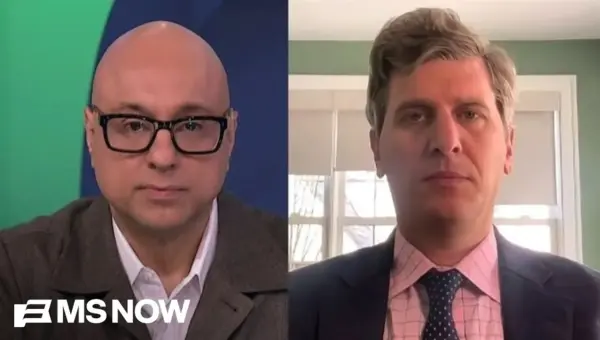
DOJ Antitrust Division Faces Watergate-Level Corruption Allegations
Matt Stoller warns of Watergate-level corruption within the DOJ's antitrust division, arguing corporate influence drives up costs and inequality. He believes public anger and legal actions are key to accountability, drawing parallels to past scandals. The fight for affordability is central to exposing this alleged corruption.
Trump’s Iran War Lacks Clear Strategy, Experts Warn
Thousands of U.S. troops have been deployed to the Middle East amid ongoing conflict in Iran. Military experts express concern over a lack of clear strategy from the Trump administration, warning of a potential quagmire. Iran's use of asymmetric warfare, like drone attacks, aims to make the conflict too costly for adversaries.