Trump DHS Pick Stumbles on Iran War Stance
Senator Markwayne Mullin, a potential DHS pick for Donald Trump, is facing scrutiny over his inconsistent statements regarding a possible war with Iran. Analysts highlight his verbal gymnastics in interviews, raising concerns about his readiness for a key national security role.

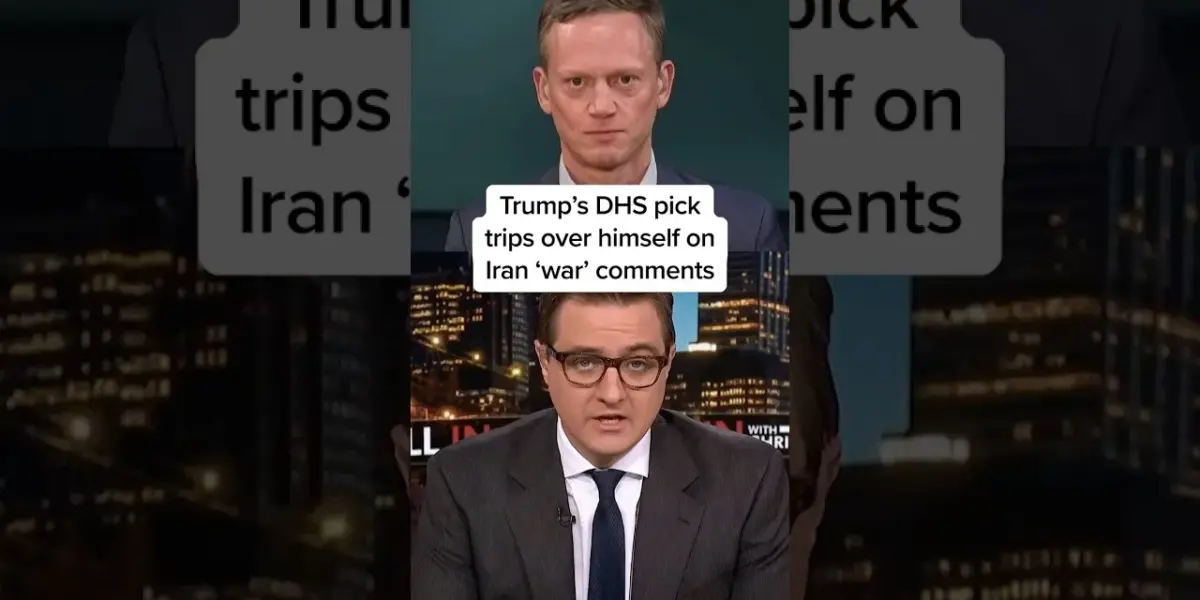
Mullin’s Conflicting Statements on Potential Iran Conflict Emerge
Senator Markwayne Mullin, a leading candidate for a potential Department of Homeland Security (DHS) role under a future Donald Trump administration, has found himself in a precarious position following a series of interviews where his remarks on a hypothetical conflict with Iran have drawn scrutiny. Mullin, who has been a vocal supporter of Trump, appeared to engage in significant verbal gymnastics when pressed about the possibility of a military confrontation with Iran, a scenario that has been a recurring point of tension in U.S. foreign policy discussions.
Contradictory Remarks Spark Confusion
During recent media appearances, including discussions highlighted by Chris Hayes and Tommy Vietor of Crooked Media, Mullin’s statements regarding the potential for war with Iran have been characterized as contradictory and evasive. The core of the confusion stems from his seemingly shifting positions on whether the United States should engage in military action against Iran, particularly in response to perceived provocations.
Vietor, in a segment discussed on MS NOW, pointed out the apparent inconsistencies in Mullin’s public statements. The concern is that a figure considered for a high-level national security position would exhibit such ambiguity on a critical foreign policy issue. The remarks suggest a potential lack of a clear or consistent stance on a matter of grave international importance.
“He’s really tripping over himself here trying to explain away comments that suggest he’s okay with Trump starting a war with Iran.”
This quote, attributed to the discussion between Hayes and Vietor, encapsulates the perceived difficulty Mullin faced in articulating a coherent position. The implication is that his attempts to clarify or backtrack on earlier statements have only served to highlight the lack of a firm, pre-defined stance on a potentially catastrophic conflict.
The Broader Context: Iran and U.S. Foreign Policy
The focus on Mullin’s comments comes at a time when U.S.-Iran relations remain a significant concern for national security experts and policymakers. Iran’s nuclear program, its support for regional proxy groups, and its actions in international waters have frequently placed it at odds with the United States and its allies. Previous administrations, including the Trump administration, have employed a strategy of maximum pressure, which at times brought the two nations to the brink of direct confrontation.
The potential for military conflict with Iran is a highly sensitive topic due to the devastating humanitarian consequences and the risk of wider regional destabilization. Any candidate considered for a role like DHS secretary would be expected to have a clear, well-articulated strategy for dealing with such threats, including a defined approach to de-escalation and deterrence.
Implications for a Future Administration
The scrutiny of Mullin’s remarks raises questions about the vetting process for key positions within a potential Trump administration. If Mullin were to be nominated and confirmed for a role at DHS, his perceived lack of clarity on critical national security issues could undermine the administration’s foreign policy credibility and its ability to navigate complex international challenges.
Experts suggest that a nominee for such a sensitive position should demonstrate a firm grasp of geopolitical dynamics and possess a consistent, strategic vision. Mullin’s apparent struggles to provide such clarity may signal potential challenges for a future administration in assembling a cohesive national security team.
Looking Ahead: What to Watch
As the political landscape evolves, attention will remain on Senator Mullin’s public statements and any further clarification he may offer regarding his foreign policy views, particularly concerning Iran. The reactions from political commentators and analysts will likely continue to shape the narrative surrounding his potential suitability for a high-ranking national security role. Furthermore, the broader discourse on U.S.-Iran relations and the criteria for leadership in national security positions will undoubtedly persist, providing ongoing context for these developments.
Source: Trump’s DHS pick trips over himself on Iran ‘war’ comments (YouTube)

Related Articles
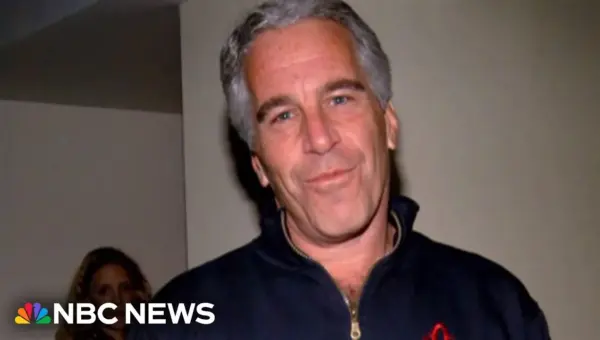
DOJ Releases Epstein Files, Citing Allegations Against Trump
The DOJ has released previously unseen Epstein files containing allegations against Donald Trump. The documents include summaries of 2019 FBI interviews where a woman accused Trump and Epstein of sexual assault. The White House has called the allegations "completely non-credible."
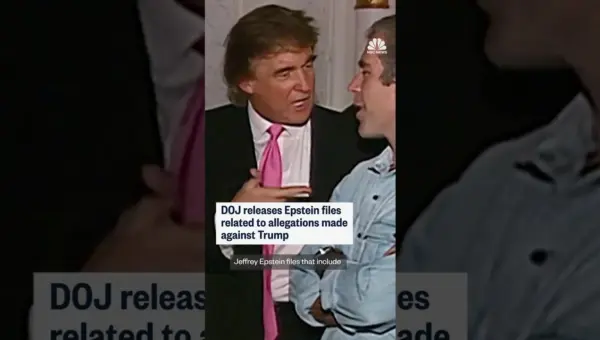
DOJ Unseals Epstein Files With Allegations Against Trump
The Department of Justice has released previously withheld Jeffrey Epstein files containing allegations of sexual assault against former President Donald Trump. The documents stem from 2019 FBI interviews, though the credibility of the claims is unaddressed. Trump has consistently denied any wrongdoing.
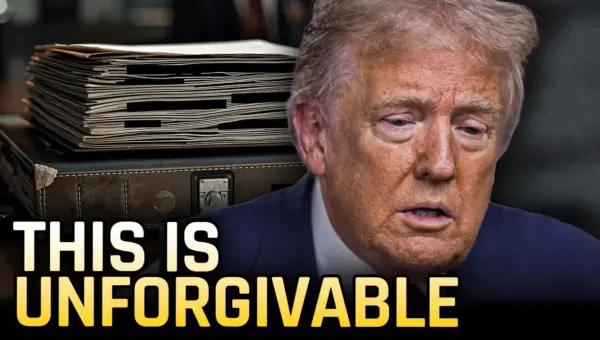
Epstein Files Reveal Disturbing Allegations Against Trump
Newly unsealed FBI interview files reveal a woman's disturbing allegations against Donald Trump, involving an alleged encounter when she was a minor. The testimony, detailed within the context of the Jeffrey Epstein case, raises questions about powerful figures and predatory behavior.