Trump Details Iran Strikes, Urges Allies to Secure Strait of Hormuz
President Trump announced significant U.S. military strikes against Iran, claiming substantial damage to its military capabilities and naval assets. He also urged allied nations, particularly those heavily reliant on oil from the Strait of Hormuz, to contribute to its security. The press conference also included the personal news of Chief of Staff Susie Wiles' early-stage breast cancer diagnosis.

Trump Details Iran Strikes, Urges Allies to Secure Strait of Hormuz
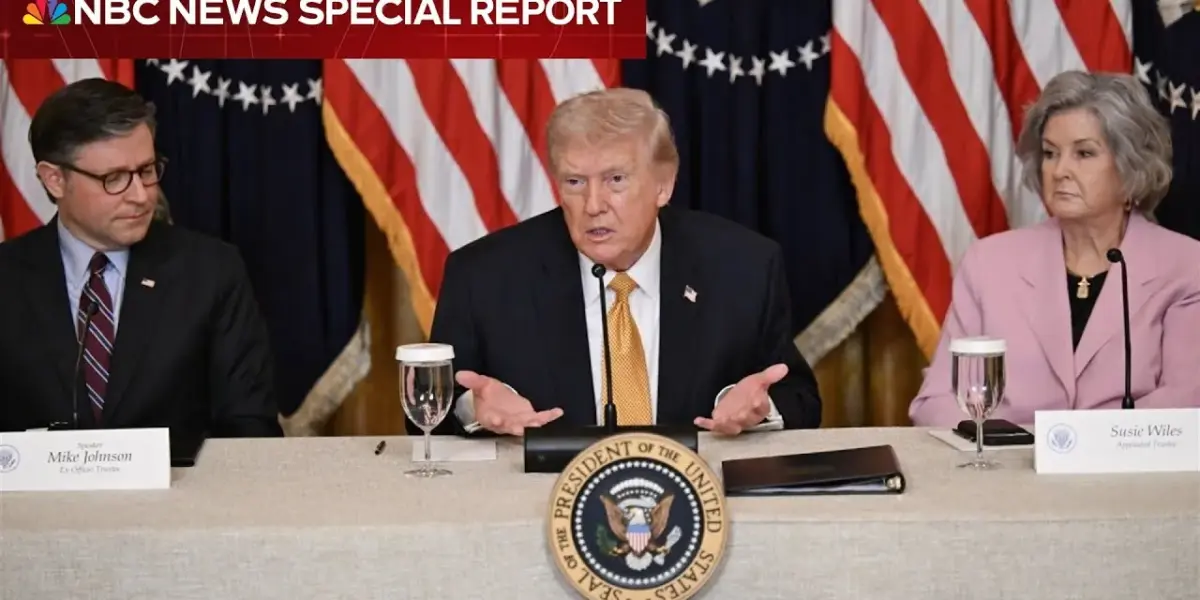
WASHINGTON D.C. – President Trump addressed the escalating conflict with Iran and the critical Strait of Hormuz during a press conference at the White House on Tuesday, asserting that the United States has conducted a “powerful military campaign” resulting in the obliteration of significant Iranian military assets. The President also announced that his Chief of Staff, Susie Wiles, has been diagnosed with early-stage breast cancer, emphasizing her excellent prognosis and continued role.
Devastating Blows Dealt to Iranian Military
President Trump provided a stark assessment of the military operations against Iran, stating that the U.S. has “struck more than 7,000 targets across Iran” since the conflict began. He detailed the extensive damage inflicted upon Iran’s military capabilities, claiming their Air Force, Navy, and anti-aircraft systems have been “decimated.” According to the President, Iran’s radar systems are gone, and its leaders have been targeted.
“They have been literally obliterated,” President Trump declared. “The Air Force is gone. The Navy is gone. Many, many ships have been sunk. Their war fighting ships. But I guess they didn’t know how to use them. And anti-aircraft is decimated. Their radar is gone and their leaders are gone. Other than that, they’re doing quite well.”
The President highlighted specific achievements, including a “90% reduction in their ballistic missile launches and a 95% reduction in drone attacks.” He also stated that manufacturing plants for missiles and drones have been targeted, with three such facilities hit on the day of the press conference. “It’s getting very hard for them to manufacture more than 100 Iranian naval vessels have been sunk or destroyed over the last week and a half. It has to be some kind of a record,” Trump added.
Securing the Strait of Hormuz: A Call to Allies
A significant portion of the President’s remarks focused on the security of the Strait of Hormuz, a vital chokepoint for global oil transportation. Trump emphasized that while the U.S. is not heavily reliant on oil from the region, many allied nations are, citing figures such as Japan (95%), China (90%), and South Korea (35%) as heavily dependent on shipments through the strait.
“We strongly encourage other nations whose economies depend on the Strait far more than ours… to come and help us with the Strait,” President Trump urged. He noted that while some countries have been enthusiastic about contributing, others have shown less enthusiasm, even after years of U.S. protection. “We have some countries where we have 45,000 soldiers, great soldiers, protecting them from harm’s way, and we have done a great job. And when we want to know, do you have any minesweepers? Well, we’d rather not get involved, sir,” he stated, expressing frustration with allies who are unwilling to reciprocate U.S. security commitments.
The President specifically mentioned discussions with French President Emmanuel Macron, rating his enthusiasm as an “eight out of ten,” while expressing surprise and disappointment with the United Kingdom’s initial reluctance to commit naval assets. “I was very upset with not upset. I was I was not happy with the UK. I think they’ll be involved. Yeah, maybe, but they should be involved enthusiastically,” Trump commented.
Chief of Staff Susie Wiles Diagnosed with Cancer
In a personal announcement preceding his remarks on Iran, President Trump revealed that his Chief of Staff, Susie Wiles, has been diagnosed with early-stage breast cancer. Wiles was present at the press conference, seated beside the President.
“I want to announce that my Chief of Staff, Susie Wiles, has early stage breast cancer. The President says her prognosis is excellent,” Trump stated. He assured attendees that Wiles would remain in her role, continuing her duties virtually while undergoing treatment. White House correspondent Garrett Haake noted that Wiles’ presence was not originally scheduled, with her name placard added just before the President’s appearance, underscoring the personal nature of the announcement.
Rebuilding the Kennedy Center Amidst Broader Challenges
The event also served as a platform for President Trump to discuss his administration’s efforts to restore the Kennedy Center’s prestige and functionality. He described the performing arts facility as being in “very, very bad condition” and having been “let go to hell,” with money spent incorrectly on underutilized smaller theaters.
“We’re rebuilding it. It’s in very, very bad condition. It’s been let. And it’s it’s been it’s been somewhat of a disaster, to be honest with you,” Trump remarked. He highlighted plans for significant renovations, including the construction of a new ballroom, aiming to ensure it remains “the finest performing arts facility of its kind anywhere in the world.” He also praised former Ambassador to Germany, Ric Grenell, for his work on the Kennedy Center initiative.
Broader Geopolitical and Economic Implications
The conflict’s focus on oil and the Strait of Hormuz has significant geopolitical and economic ramifications. Richard Engel, Chief Foreign Correspondent, noted that “oil is at the absolute heart of this conflict.” He explained the strategic competition in the Persian Gulf, with implications for oil producers and consumers alike.
The President’s emphasis on U.S. energy independence, achieved through his administration’s policies, was a recurring theme. “We are number one in oil by double. Now we drill, baby, drill. We double any other nation and it’s going to be soon triple any other country,” Trump stated, contrasting this with the reliance of other nations on Middle Eastern oil.
The U.S. is also sending an additional 5,000 troops as part of a contingency that includes a Marine Expeditionary Unit, specifically trained for beach landings and island takeovers, indicating a potential escalation in military posture in the region.
Looking Ahead
As tensions with Iran continue, the focus will remain on the international response to securing the Strait of Hormuz. The President’s strong call for allied participation, coupled with the ongoing military operations, suggests a prolonged period of heightened activity in the region. Furthermore, the personal announcement regarding Chief of Staff Susie Wiles’ health adds a human element to the administration’s public engagements, with her continued role offering a sign of stability amidst international challenges.
Source: Special Report: Trump discusses Iran ahead of meeting with Kennedy Center board (YouTube)

Related Articles
Trump’s “Walk Away” Tactic Signals Tougher Stance on China
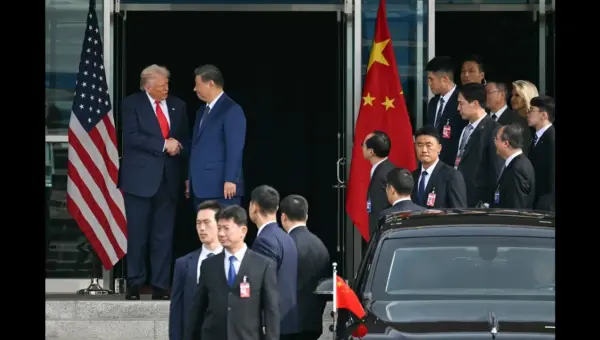
Retired Air Force Brigadier General David Stillwell believes President Trump's strategy of being willing to walk away from negotiations puts pressure on China. This tactic, combined with US global actions and strengthened alliances, signals a more assertive American foreign policy.

Israel Escalates Iran Strikes, Warns of Wider War
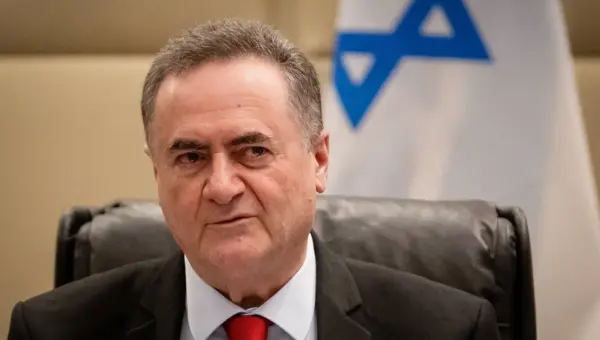
Israel has launched significant strikes inside Iran following continued missile fire, warning of further escalation. The conflict risks wider regional instability and economic disruption, especially concerning the Strait of Hormuz.
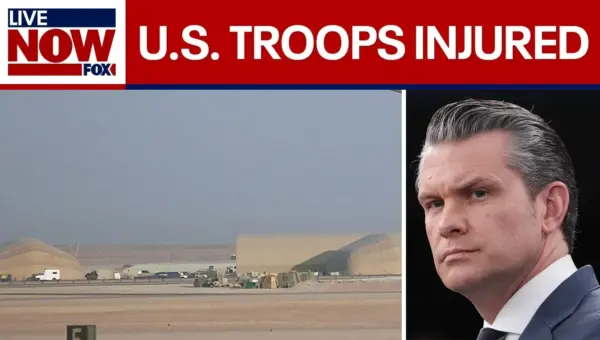
US Troops Wounded in Saudi Base Attack by Iran
An Iranian missile attack on Prince Sultan Air Base in Saudi Arabia wounded multiple U.S. service members and damaged aircraft. The incident highlights the ongoing risks in the Middle East and the limitations of air defense systems. Analysts discuss the strategic implications, economic pressures, and the isolation of Iran amidst the conflict.