Trump Details Iran Operation Progress, Vows More Strikes
President Trump delivered a primetime address detailing progress in 'Operation Epic Fury' against Iran, vowing to intensify strikes if diplomatic goals aren't met. Experts question the timeline and clarity of objectives, noting Iran's continued ability to disrupt global oil markets.

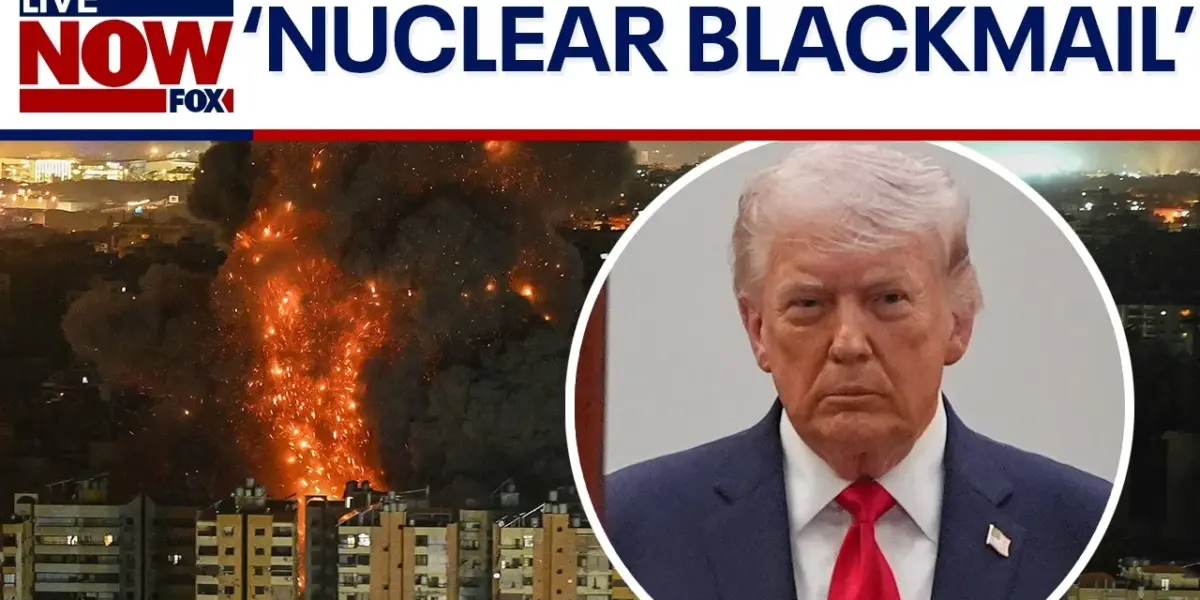
Trump Outlines ‘Operation Epic Fury’ Progress in Primetime Address
President Trump addressed the nation in a primetime speech Tuesday, providing an update on the ongoing military actions against Iran, dubbed ‘Operation Epic Fury.’ The address, his first primetime speech since the conflict began over a month ago, focused on the ‘tremendous progress’ made by U.S. forces and reiterated the necessity of the operation.
Key Objectives and Military Actions
The President stated that ‘Operation Epic Fury’ has successfully targeted over 11,000 sites in Iran. He asserted that Iran’s navy has been neutralized and that the operation is on track to meet all U.S. military objectives ‘shortly.’ A primary goal highlighted was preventing Iran from obtaining nuclear weapons, with Trump claiming the operation has ‘decimated’ Iran’s ability in this area.
“Thanks to the progress we’ve made, I can say tonight that we are on track to complete all of America’s military objectives shortly.”
Trump also warned of further aggressive action if diplomatic efforts fail. He indicated that if no deal is reached within the next two to three weeks, the U.S. would strike Iran’s electric generating plants. ‘We’re going to hit them extremely hard over the next two to three weeks. We’re going to bring them back to the stone ages where they belong,’ the President declared.
Expert Analysis of Objectives and Capabilities
Dr. Benjamin Rod, a political scientist from UCLA, discussed the stated objectives of the operation. He identified three core goals: preventing Iran’s nuclear enrichment program, eliminating its ballistic missile program, and ending its support for proxy groups like Hamas and Hezbollah. Dr. Rod suggested that while these objectives may not be fully completed, significant progress has likely been made.
Regarding Iran’s military capabilities, Dr. Rod acknowledged that Iran’s ability to wage war has been reduced. However, he cautioned that Iran does not need to match U.S. military might to cause significant disruption. ‘They don’t need to match the United States missile for missile,’ Dr. Rod explained, pointing to Iran’s ability to halt traffic in the Strait of Hormuz through the threat of attacks, even without firing missiles or detonating mines. Insurers have refused to cover cargo ships passing through the area due to the risk.
Timeline and Diplomatic Stalemate
President Trump’s suggested timeline of two to three weeks for concluding operations was met with skepticism by Dr. Rod. He noted that without specific metrics or numbers, the timeline appears arbitrary. ‘Unless we have actual numbers of what statistically the president’s trying to accomplish, that metric of two to three weeks, that timeline could be arbitrary,’ he stated.
The situation regarding potential negotiations remains unclear. While President Trump claimed Iran’s president desires a ceasefire, Iran’s foreign ministry denied this. Dr. Rod pointed out that Iran’s president holds little power on foreign policy matters, with authority resting with the IRGC and potentially the Supreme Leader. The lack of clear communication from top Iranian leadership makes meaningful negotiations difficult.
Unaddressed Concerns and Future Outlook
Many observers, including Dr. Rod, expected the President to address the impact on global oil prices and the Strait of Hormuz. This aspect, along with a clear exit strategy, was seen as lacking in the speech. The possibility of U.S. ground troops entering Iran was also a significant question, though the President did not explicitly mention it. Dr. Rod suggested this omission might be strategic, intended to keep U.S. plans concealed.
Notably absent from Trump’s speech were comments about NATO allies and their perceived lack of support for the operation. This silence was seen by some as a relief, given recent criticisms leveled at European allies. As the conflict continues, the unresolved issues surrounding the Strait of Hormuz and global oil markets will likely remain critical points of attention, with diplomacy appearing to be the primary avenue for resolution beyond the military objectives.
Source: Trump takes on ‘wickedness of Iranian aggression’ during primetime address (YouTube)

Related Articles
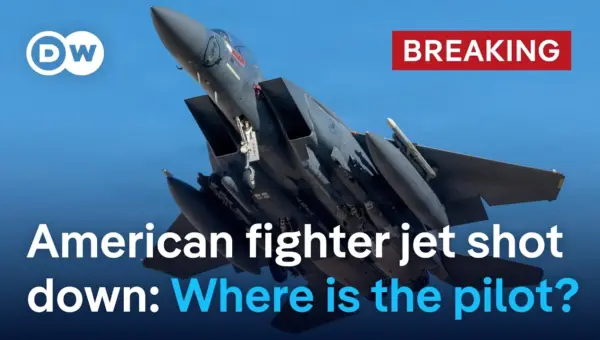
US Jet Downed in Iran: Crew Fate Unknown, War Unpopular
An American F-15 fighter jet has been shot down over Iran, with U.S. officials confirming the loss but offering few details on the crew's fate. The incident occurs amid widespread public opposition to the war and raises questions about Iran's air defense capabilities.
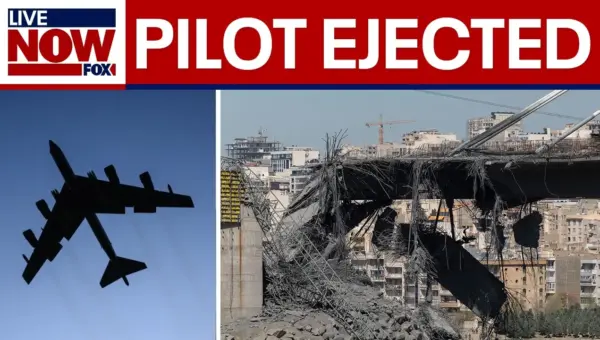
Iran Claims US Pilot Ejected; US Silent Amid Escalating Tensions
Iran claims a U.S. pilot ejected from a fighter jet over its territory, offering a reward for capture. The U.S. has not confirmed the report amid escalating regional tensions. Military experts discuss the strategic implications of U.S. strikes and the potential for internal change in Iran.
Trump Weighs War Exit Amid Iran Strikes and Internal Debate
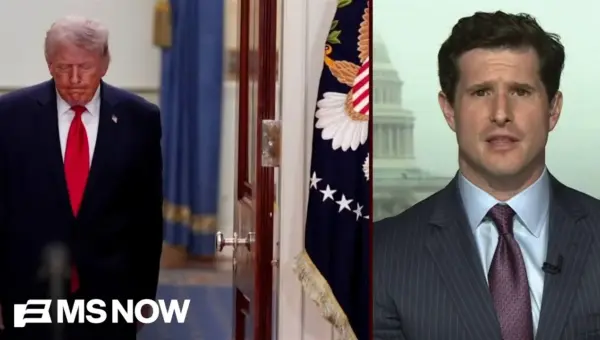
President Trump is reportedly facing internal debate over how to end the escalating conflict with Iran, according to a new Time Magazine report. While publicly vowing to increase strikes, privately Trump seeks an "off-ramp" to declare victory and avoid domestic backlash, even as advisors express surprise at Iran's retaliatory attacks.