Trump Deploys ICE at Airports; Bannon Eyes Midterm Voting Plot
ICE agents have been deployed at U.S. airports during a government shutdown, leading to long lines and public confusion. Critics question the effectiveness and purpose of the deployments, citing concerns about intimidation and potential abuse of power. The situation has also sparked discussion about Steve Bannon's controversial proposal to use ICE at midterm election polling places.

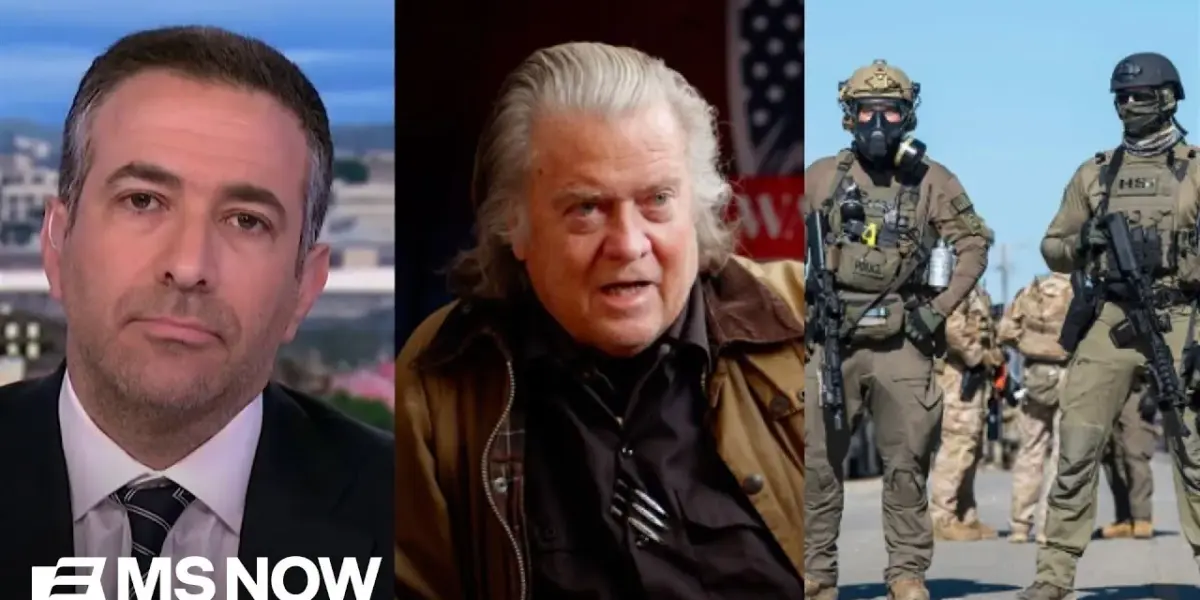
ICE Agents Surge at Airports Amid Government Shutdown
Long lines and visible frustration have gripped U.S. airports during a partial government shutdown, with the Trump administration deploying Immigration and Customs Enforcement (ICE) agents to assist overburdened Transportation Security Administration (TSA) staff. The official reason cited is to help TSA agents struggling with increased workloads. However, reports suggest these ICE deployments are not speeding up security screenings, leading to questions about their true purpose and effectiveness.
Questions Surround ICE’s Role and Effectiveness
Eyewitness accounts and images from airports, such as Atlanta’s Hartsfield-Jackson International Airport, show extensive lines stretching outdoors. Amidst this chaos, ICE agents have been observed seemingly idle, with some seen using their phones while passengers wait. While the White House shared a video of an agent distributing water, passenger reactions ranged from confusion and fear to suspicion, with many questioning the agents’ actual function.
“I think it’s scary. Why should I be there? Are they helping?” one passenger remarked, echoing the sentiment of many who felt unsettled by the presence of armed agents. Another described the agents as “milling around” and “just sort of chatting,” unaware of their specific duties in the screening process.
Policy Critics Raise Intimidation Concerns
Experts note that while ICE agents possess broad enforcement authority related to immigration and customs, they are not trained or integrated into the TSA’s traveler identification and screening system. This means they cannot directly expedite security checks. The deployment has reportedly left some ICE offices scrambling to understand their new roles.
Critics are raising alarms, citing ICE’s past operations and suggesting the presence of armed agents in civilian spaces could be intended as intimidation. “Given the recent history of how ICE has operated, there are questions here about intimidation,” stated one observer.
Trump’s Statements and Shifting Public Opinion
President Trump has publicly framed the deployment as beneficial, suggesting ICE agents “love it” because it allows them to “arrest illegals.” He even mused about potentially deploying the National Guard if necessary. However, reporting indicates that the claimed increase in immigration apprehensions at airports has not materialized significantly, even undermining the administration’s own defense of the policy.
Furthermore, public approval for key Trump administration policies appears to be declining. While immigration enforcement and efforts to control prices were previously popular, recent polling shows a significant drop in support. Voters now oppose what they perceive as extreme or forceful immigration tactics, and many feel the administration has not delivered on promises regarding economic issues.
Steve Bannon’s Midterm Election Proposal
Adding a controversial dimension to the discussion, former White House Chief Strategist Steve Bannon suggested using the current ICE airport deployments as a “test case” for the midterm elections. He proposed having ICE agents present at polling places, a notion described as a potentially unconstitutional plan.
“We can use what’s happening with these ICE helping out, helping out at the airports. We can use this as a test case to get really perfect in the midterm election, Sir? I think we should have ICE agents at the polling places.”
There has been no official comment from the White House regarding Bannon’s suggestion.
Expert Analysis on ICE’s Public Perception
During a panel discussion, New York Times writer Molly Jong-Fast and former federal prosecutor Maya Wiley weighed in on the situation. Jong-Fast highlighted the stark contrast between the underpaid TSA workers and the well-funded ICE, questioning why the government shutdown wasn’t simply resolved to avoid these issues.
“The optics of it are very bad,” Jong-Fast noted, pointing out that the visible presence of armed ICE agents, some in bulletproof vests, can be unnerving for the public. She added that seeing more of this in airports, especially when it doesn’t improve efficiency, is likely to worsen public perception.
Concerns Over Abuse of Power and Due Process
Wiley, drawing on her experience in government oversight, explained that law enforcement is typically viewed positively when helping the community, like firefighters. However, when policy directs them in ways that make people fearful or become a source of danger, public trust erodes.
“People are rightly fearful of abuse of power and excessive force,” Wiley stated, referencing past incidents where ICE has been accused of violating rights, using excessive force, and obstructing oversight. She also pointed out the irony of prioritizing ICE funding while TSA workers, many of whom are essential personnel, go without pay, leading to a situation where a large law enforcement agency lacks accountability for due process or excessive force.
Political Strategy and Hypocrisy in Voting Rights
The conversation also touched upon the political implications, with some suggesting Trump’s actions are designed to provoke and “troll” opponents. The lack of clear training or purpose for the ICE agents at airports was noted, with one DHS official admitting, “I have no idea what we’re doing and neither does he.”
Further scrutiny was placed on the lack of identification and masks worn by some ICE agents, contradicting earlier administration demands for agents to wear masks to avoid being doxxed. This inconsistency fuels criticism that the administration’s actions are not based on genuine security needs but on political maneuvering.
The discussion extended to Trump’s stance on mail-in voting, highlighting what experts called “utter hypocrisy.” Despite Trump himself voting by mail, he has repeatedly attacked the security of mail-in ballots, linking it to efforts to make voting more difficult for those likely to oppose him. Wiley emphasized that expanding mail-in voting has historically increased participation, especially for vulnerable populations, and research consistently shows it to be safe and effective.
Looking Ahead: Accountability and Future Deployments
The current situation at airports raises significant questions about the use of federal law enforcement agencies for political purposes and the potential erosion of civil liberties. As the government shutdown continues and the midterm elections approach, the public and policymakers will be watching closely to see if the controversial deployment of ICE agents escalates or if calls for accountability and adherence to established legal and ethical standards gain traction. The administration’s approach to immigration enforcement and voting rights remains a critical area to monitor for potential future policy shifts and their impact on democratic processes.
Source: Autocrat ‘test run’?! Trump vet Bannon admits ICE midterm plot (YouTube)

Related Articles
TSA Workers Get Paid After Record Absences
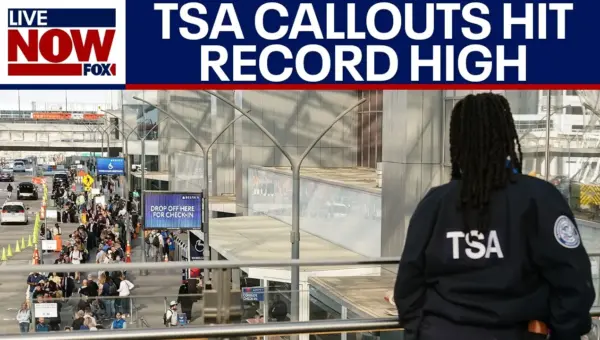
TSA agents will finally receive paychecks after working nearly six weeks without salary, following a directive from President Trump. Record high absences had strained airport operations and caused significant passenger delays. The situation has sparked calls for better protections for essential workers during government shutdowns.
House Republicans Reject Senate Deal, Sparking Government Funding Clash
House Republicans have rejected a Senate bill to end the government shutdown, citing insufficient border security measures. Congressman Randy Fine called the Senate deal a "disgrace" and highlighted the ongoing fight for full government funding. President Trump's executive order to pay TSA agents offers temporary relief, but the core disagreement over border security continues to paralyze Washington.

Voter ID: Common Sense or Suppression?
A growing debate surrounds voter ID laws, with proponents calling them a common-sense measure against fraud and opponents fearing voter suppression. Many countries and U.S. states already require ID to vote.