Trump Demands Texas Cancel Elections, Undermining Democracy
Former President Donald Trump has publicly called for Texas to cancel its Republican Senate primary elections, citing dissatisfaction with the runoff. This move challenges democratic norms and raises concerns about the prioritization of voter choice over dictated outcomes.

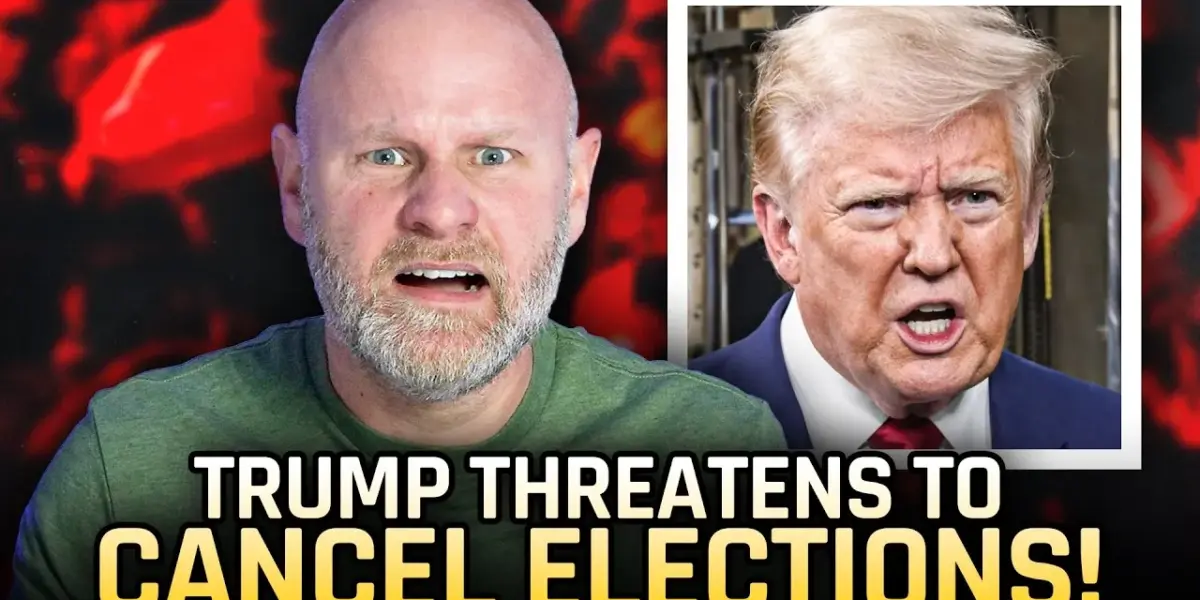
Trump Demands Texas Cancel Elections, Undermining Democracy
In a recent, alarming display of political brinkmanship, former President Donald Trump has publicly suggested that the state of Texas should cancel its Republican Senate primary elections. This unprecedented call, delivered via his Truth Social platform, stems from his dissatisfaction with the primary’s progression to a runoff, an outcome he appears determined to circumvent.
The Call to Cancel
Trump’s statement, lengthy and impassioned, expressed his belief that the ongoing primary race for the Republican U.S. Senate seat in Texas “cannot, for the good of the party and our country itself, be allowed to go on any longer. It must stop now.” He argued that the party needs to “totally focus on putting him [the Democratic opponent] away quickly and decisively.” This sentiment reveals a core motivation: a desire to consolidate party resources and attention towards the general election, bypassing the democratic process within the party itself.
He continued by stating, “I will be making my endorsement soon.” Adding a further layer of control, he declared, “And we’ll be asking the candidate that I don’t endorse to immediately drop out of the race.” This proposition is not merely a suggestion but a demand for fealty, effectively seeking to dictate the outcome of the primary and disenfranchise Republican voters in Texas.
The former President’s rhetoric paints a picture of absolute authority, where his word should supersede the will of the electorate. He positions himself as the ultimate arbiter, implying that his endorsement is paramount and that voters should not be trusted with making their own choices. This approach fundamentally challenges the principles of representative democracy, where the power to choose representatives rests with the people.
Questioning Endorsement Power
The transcript directly challenges Trump’s assertion of his endorsements being “virtually insurmountable” and his claim that “almost everyone I endorse wins and wins by a lot, especially in Texas.” The analysis presented counters this with data suggesting a less stellar track record. It points out that “most of the candidates that you endorse lose,” citing a success rate as low as 38-40% during his first term, with endorsed candidates being more likely to lose and be outraised by Democratic opponents.
This critical examination of Trump’s endorsement efficacy raises questions about the validity of his current demands. If his endorsements are not as consistently successful as he claims, then his desire to unilaterally decide the Republican nominee and force other candidates out becomes even more problematic. It suggests a strategy driven by ego and a desire for control rather than a genuine assessment of electability or party strength.
The Candidates and the Context
The analysis also delves into the specific context of the Texas Senate race, highlighting the candidates involved. It mentions John Cornyn, a long-serving incumbent, and Ken Paxton, who has been embroiled in numerous scandals, including an impeachment that was halted by Republicans and allegations that could have led to his imprisonment if not for actions taken by his own administration.
The transcript criticizes the idea that the problem lies with voters, arguing instead that the “crap candidates that are on that side” are the issue. It points to the potential for voters to become disillusioned with repeated choices that do not yield positive results for the state. The demographic shifts in Texas and the stagnation of progress over decades are presented as evidence that the status quo is no longer working, suggesting that voters might be ready for a change regardless of who Trump endorses.
Historical Context and Democratic Norms
Trump’s call to cancel an election, even a primary, is a significant departure from established democratic norms. Historically, elections, once scheduled, proceed to their conclusion, allowing voters to cast their ballots. Interference with this process, especially by a party leader attempting to preempt voter choice, strikes at the heart of electoral integrity. While political parties certainly influence nominations through endorsements and primaries, the idea of outright cancellation based on dissatisfaction with the process is extraordinary.
This incident echoes broader concerns about the erosion of democratic institutions and norms in recent years. The emphasis on loyalty to a single leader over established procedures and the questioning of electoral outcomes are trends that analysts have been tracking. Trump’s rhetoric here can be seen as an extension of his challenges to election results and his demands for unwavering support.
Why This Matters
This situation is critical because it highlights a potential willingness by a prominent political figure to undermine fundamental democratic processes for perceived strategic advantage. If a party leader can advocate for canceling elections when the results are not to their liking, it sets a dangerous precedent. It suggests that the will of the voters is secondary to the directives of powerful individuals, eroding public trust in the electoral system.
Furthermore, it raises questions about the health of the Republican Party itself. Is the party willing to embrace a leader who advocates for overriding the choices of its own members in favor of a dictated outcome? The implications extend beyond Texas, potentially influencing how other elections are conducted and perceived across the nation. It forces a reckoning for the party: will it prioritize democratic participation or adherence to a singular leader’s will?
Implications, Trends, and Future Outlook
The trend towards strongman politics and the elevation of personality over policy or process is evident here. Trump’s demand reflects a belief that his endorsements and pronouncements should carry decisive weight, bypassing the messy, democratic process of voter deliberation and choice. This approach risks alienating voters who value their right to participate and could backfire by energizing opposition or creating internal party rifts.
Looking ahead, this incident underscores the ongoing tension between established democratic procedures and the disruptive force of populist movements. The future outlook depends on how voters, party members, and institutions respond. Will they uphold the principle of voter choice, or will they succumb to pressure to conform to dictated outcomes? The ability of democratic systems to withstand such challenges will be a key determinant of their long-term stability and legitimacy.
Ultimately, Trump’s call to cancel elections in Texas is more than just a political maneuver; it is a significant statement about his vision for party leadership and electoral politics. It challenges the very notion of representative democracy by suggesting that if the process doesn’t yield the desired result, it should simply be stopped. This is a perilous path that risks diminishing the power of the vote and the voice of the people.
Source: Trump Threatens To CANCEL Texas Elections (YouTube)

Related Articles
Trump’s Nuclear Hypocrisy: A Nation’s Fearful Reflection
Donald Trump's assertion that 'crazy people shouldn't have nuclear weapons' is analyzed as a profound hypocrisy, questioning America's own stewardship of its nuclear arsenal. The piece explores the historical context of U.S. nuclear use and its impact on global proliferation fears.

US Iran War: Trump’s Policy Shakes Allies, Risks Election
The United States has launched an unexplained war in Iran, sparking concern among allies and domestic voters. The conflict's unclear objectives and potential impact on upcoming elections are major points of contention. Russia's global standing is also affected, with its alliances weakening.
GOP Rhetoric Fuels Christian Nationalist ‘Crusade’ Fears
Concerns are rising over the infusion of Christian nationalist ideology into U.S. foreign policy, with critics warning of a 'crusade' mentality. Rhetoric from some Republican figures frames international conflicts and domestic issues through a specific religious lens, sparking fears of alienation and a departure from secular governance.