Trump Demands Iran Deal: “Shooting Starts” If Not Honored
President Trump has issued a stark warning to Iran: a deal must be honored, or "the shooting starts." Vice President JD Vance is leading U.S. peace talks in Pakistan, focusing on Iran's nuclear program and the Strait of Hormuz. Tensions remain high amidst potential ceasefire misunderstandings.

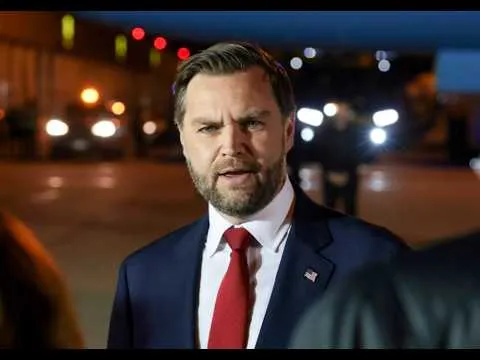
Trump’s Firm Stance on Iran Deal
President Trump is making it clear that U.S. forces will stay in and around Iran until a solid agreement is reached and strictly followed. He warned that if the deal is not honored, “The shooting starts.” The President also stated that Iran’s commitment to avoiding nuclear weapons and keeping the Strait of Hormuz open and safe was agreed upon long ago. He dismissed recent statements to the contrary as “fake rhetoric.”
Peace Talks Led by Vice President Vance
In a significant diplomatic move, Vice President JD Vance is heading a U.S. negotiating team to Pakistan for talks with Iran. White House Press Secretary Caroline Levit confirmed this, calling Vance the President’s “right-hand man” and emphasizing his deep involvement in these crucial discussions. The first round of negotiations is scheduled for Saturday morning in Islamabad.
The President has outlined the core of the proposed deal: a ceasefire in exchange for the reopening of the Strait of Hormuz. “If we don’t see that happening, the president is not going to abide by our terms if the Iranians are not abiding by their terms,” Levit explained. This team also includes U.S. Special Envoy to the Middle East Steve Witoff and Jared Kushner, a senior advisor to President Trump.
Potential Roadblocks in Negotiations
This diplomatic effort follows a recent two-week ceasefire agreement between Iran and the United States. However, public comments suggest Iran might link the ongoing talks to a ceasefire between Israel and Lebanon. Vice President Vance clarified that a halt to operations in Lebanon was never part of the deal.
I think this comes from a legitimate misunderstanding. I think the Iranians thought that the ceasefire included Lebanon and it just didn’t. We never made that promise. We never indicated that was going to be the case.
Vance stressed that the ceasefire was meant to focus on Iran and America’s allies, including Israel and Gulf Arab states. He noted that the Israelis have offered to reduce operations in Lebanon, but this is separate from the main ceasefire agreement. The Vice President views this as the Israelis trying to help ensure success for the U.S. talks.
Iran’s Choice and Nuclear Focus
Vance cautioned Iran against letting the negotiations fail, especially by getting drawn into the Lebanon conflict, which he stated has nothing to do with them and was never part of the U.S. ceasefire terms. He called it a potentially “dumb” choice for Iran but ultimately their decision.
The primary focus of the negotiations, according to Vance, remains Iran’s nuclear weapons program. “We want the nuclear fuel, which is something the president has made very clear.” He explained the negotiation dynamic: the U.S. has demands, and Iran has things it can gain. The more Iran is willing to concede, the more it can expect to receive in return.
Ceasefire Violations and Regional Response
Regarding recent ceasefire violations, Vance downplayed concerns. He described the situation as typical for ceasefires, where some “choppiness” is expected. He pointed to an instance where Iran launched missiles shortly after the ceasefire announcement, followed by responses from Israel and Gulf Arab states.
The report also detailed recent Israeli strikes in Beirut, which the Lebanon Health Ministry stated resulted in at least 112 deaths and 837 injuries. An Israeli Defense Forces spokesperson asserted that Israel is targeting Hezbollah, not the Lebanese people.
Why This Matters
This situation highlights the high stakes involved in international diplomacy, particularly concerning nuclear proliferation and regional stability. President Trump’s “deal or no deal” approach, with the threat of military action, signals a tough negotiation strategy. The involvement of Vice President Vance and other key figures shows the administration’s commitment to resolving these complex issues.
The potential for misunderstanding or deliberate misinterpretation of ceasefire terms, as seen with the Lebanon situation, poses a significant risk to ongoing peace efforts. It underscores the need for clear communication and precise agreements in volatile regions. The focus on Iran’s nuclear program remains a central concern for global security, and the outcome of these talks could have far-reaching consequences.
Implications and Future Outlook
The future hinges on whether Iran chooses cooperation over confrontation. If Iran agrees to U.S. demands regarding nuclear weapons and regional security, it could lead to a period of reduced tensions and potential economic benefits. However, if talks break down, the risk of escalation, including military conflict, increases significantly.
The inclusion of Jared Kushner suggests a potential focus on broader regional security arrangements beyond just the nuclear issue. The success of these negotiations will depend on mutual trust and a willingness to compromise, even amidst past grievances and ongoing conflicts. The world will be watching to see if diplomacy can prevail over the threat of force.
Historical Context
The U.S.-Iran relationship has been fraught with tension for decades, marked by events like the 1979 hostage crisis and ongoing disputes over Iran’s nuclear program and regional influence. Previous attempts at diplomatic breakthroughs have often been complicated by mistrust and differing national interests.
The current administration’s approach appears to be a departure from previous policies, emphasizing direct negotiation and a firm stance on key demands. The involvement of Vice President Vance, a relatively new figure in national security, signals a potentially fresh perspective on these long-standing issues. The outcome of these talks will add another chapter to the complex history of U.S.-Iran relations.
Source: 2026 0409 75ed4186 e654 4082 a092 519657bb773d video 1080p (YouTube)

Related Articles
US Envoy Vance Navigates Pakistan Talks for Iran Ceasefire
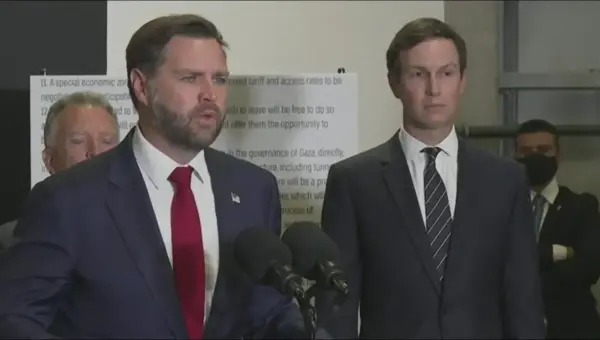
Vice President JD Vance is leading high-stakes peace talks in Pakistan with Iranian leaders, aiming to preserve a fragile ceasefire. The negotiations face uncertainty regarding Iranian representation and are complicated by Israeli military actions in Lebanon. A key U.S. demand is ensuring safe passage through the Strait of Hormuz.
Noonan Slams Trump’s Iran Threats: ‘Hitting a New Bottom’
Journalist Peggy Noonan has strongly criticized former President Donald Trump's social media threats against Iran, calling them "sinister" and "hitting a new bottom." Her commentary highlights concerns about destabilizing the world and undermining America's moral authority. The piece also touches on divisions within the Republican Party and the silence of its leaders.

Trump Slams Media Critics, Sparks GOP Division
President Trump unleashed a fiery attack on right-wing media figures like Tucker Carlson and Meghan Kelly, calling them "low IQ" and "troublemakers" after they criticized his Iran policy. The broadside highlights growing divisions within the Republican party and the complex relationship between Trump and his conservative media allies.