Trump Demands Ally Help in Iran Crisis, Risks Alliance Fracture
President Trump is calling on allies to help secure the Strait of Hormuz amid escalating tensions with Iran, but his mixed messages and history of alienating partners are reportedly reaching a 'breakpoint' for European nations. Allies are hesitant to join a conflict without prior consultation, raising questions about the future of U.S. diplomatic relationships.

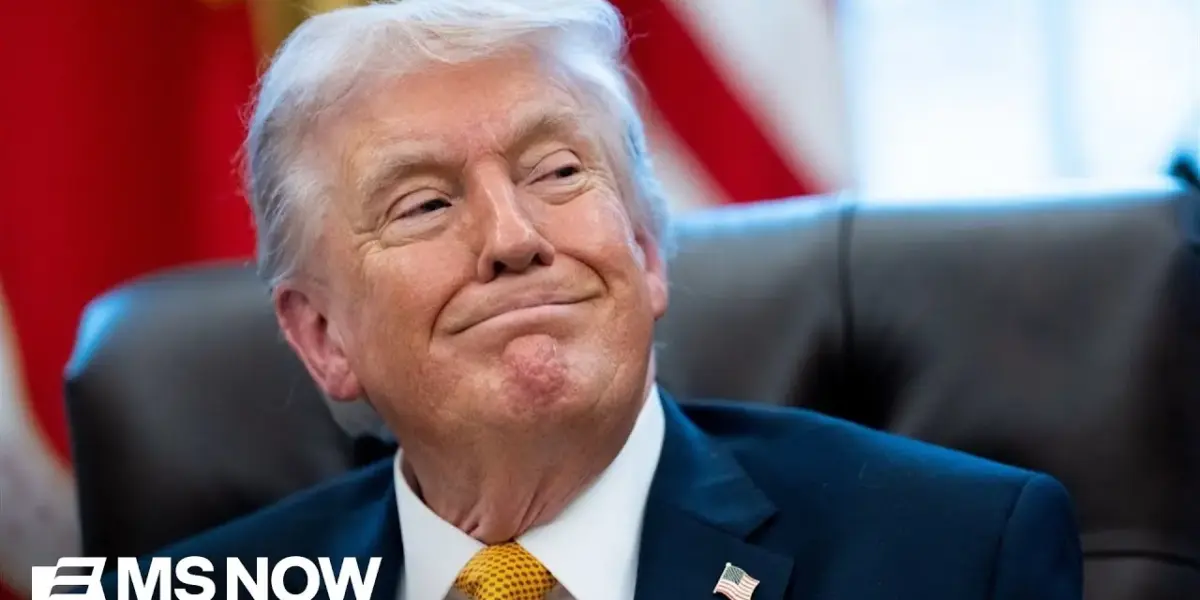
Trump Urges Allies to Join Iran Operation Amid Conflicting Signals
In the midst of an escalating conflict with Iran, President Donald Trump has publicly appealed to the United States’ allies to join in efforts to secure the Strait of Hormuz. The plea, however, is juxtaposed with Trump’s repeated assertions that the U.S. possesses the unparalleled strength to manage the situation independently. “We strongly encourage the other nations to get involved with us and get involved quickly and with great enthusiasm,” Trump stated, while simultaneously claiming, “We don’t need anybody. We’re the strongest nation in the world.” This complex message has left allies questioning the sincerity and urgency of the U.S. request, potentially straining already delicate diplomatic relationships.
Allies Balk at Trump’s ‘Take It or Leave It’ Approach
The president’s call for assistance comes after a period of significant friction between the U.S. and its traditional partners. Trump recently warned NATO allies of a “very bad future” if they did not contribute to the Strait of Hormuz operation. This ultimatum, coupled with a history of Trump antagonizing key allies, including his past fascination with acquiring Greenland and his criticism of European nations’ defense spending, has fostered an environment of distrust. As Peter Baker, chief White House correspondent for The New York Times, noted, “There’s an old rule in diplomacy: if you want somebody to be there with you on the landing, you might be interested in getting them there on the takeoff.” The lack of prior consultation on the Iran conflict has led many allies to believe the U.S. should manage the crisis it initiated.
Europeans View Trump’s Demands as a ‘Breakpoint’
For many European leaders, Trump’s persistent demands and confrontational style have reached a critical juncture. Susan Glasser, a staff writer for The New Yorker, reported that for numerous European officials, Trump’s actions represent a “breakpoint.” The incident where the White House suggested military action against Greenland, a Danish territory, particularly stunned many. Glasser further highlighted European distress over Trump’s unilateral decision to lift sanctions on Russian oil, a move perceived as a significant financial boon to Vladimir Putin and a blow to efforts to counter Russian aggression in Ukraine. “For me, I’ve been watching the last 24 hours of Donald Trump realizing, oh, you know, I need help turning back to the allies. I was curious, well, will they, you know, sort of overlook it? Will it actually be that breakpoint?” Glasser observed.
Lack of Allied Commitment Amidst Rising Costs
Despite Trump’s claims that several countries are en route to offer support, Michael Crowley, who covers the State Department and U.S. foreign policy for The New York Times, stated he was unaware of any concrete commitments. He pointed out that even during the widely unpopular 2003 invasion of Iraq, the George W. Bush administration managed to assemble a coalition, a stark contrast to the current situation. The lack of collaboration has led to a situation where allies are less inclined to assist. “He has actually really alienated U.S. allies, especially in Europe, time and time again,” Crowley commented. The situation is exacerbated by the ongoing economic ramifications, with the average price of gasoline increasing significantly, raising concerns about a potential global energy crisis.
Human Cost and Political Controversy
The conflict has not been without casualties. U.S. military officials confirmed that approximately 200 American service members have been injured across seven Middle Eastern countries, with at least 13 confirmed fatalities. Amidst this human toll, President Trump has faced criticism for using a photo from a dignified transfer of fallen soldiers in a fundraising email. Peter Baker described the action as “unprecedented” and “unthinkable,” noting that it blurs the lines between presidential duties and political ambitions. This controversy adds another layer of complexity to the administration’s handling of the Iran crisis and its relationship with both allies and the American public.
Looking Ahead: A Test of U.S. Alliances
The coming days will be crucial in determining the future of U.S. alliances. President Trump’s administration faces the challenge of not only navigating the volatile situation with Iran but also rebuilding trust with its international partners. The response from allies to Trump’s demands, particularly in the face of his “America First” rhetoric and past diplomatic spats, will be a key indicator of the resilience and future direction of these long-standing relationships. The potential for a broader regional conflict, coupled with domestic political pressures, will undoubtedly shape the administration’s next moves.
Source: Will Trump's demands for help in Iran be the "break point" for U.S. allies? (YouTube)

Related Articles

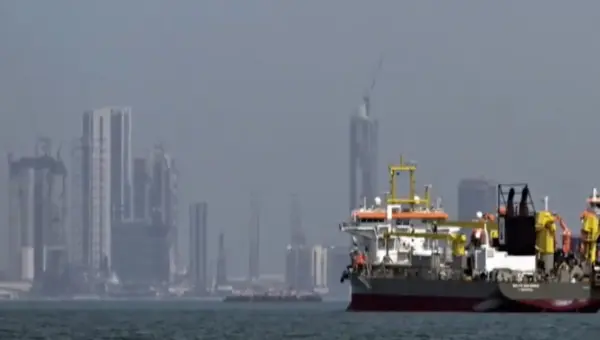
Iran Blocks China Ships, Exposing Beijing’s Weak Grip
Iran's recent decision to block Chinese ships at the Strait of Hormuz is exposing the limits of Beijing's influence in the Middle East. This action is causing delays and cancellations for Chinese manufacturers, turning a perceived geopolitical win into an economic strain.
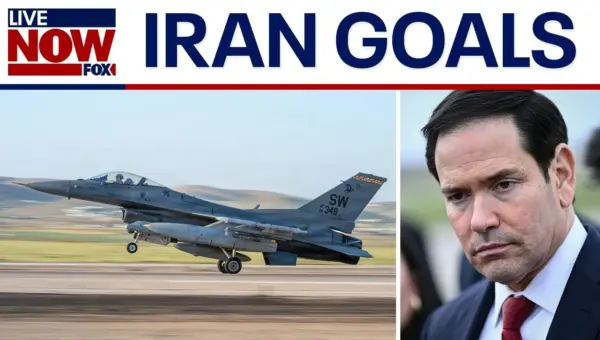
Rubio: US Can Achieve Iran War Goals Without Troops
Senator Marco Rubio outlined a strategy to counter Iran without deploying U.S. ground troops, focusing on weakening the regime and enhancing maritime security. He also criticized Cuba's economic system and expressed concerns about West Bank violence.


Israel Escalates Iran Strikes, Warns of Wider War
Israel has launched significant strikes inside Iran following continued missile fire, warning of further escalation. The conflict risks wider regional instability and economic disruption, especially concerning the Strait of Hormuz.