Trump Delays Iran Strikes, Easing Oil Price Fears
President Trump has postponed planned military strikes against Iran following productive diplomatic talks, aiming to de-escalate tensions and stabilize global oil prices. While the immediate threat of strikes has receded, market volatility persists, with experts warning of regional differences in impact.

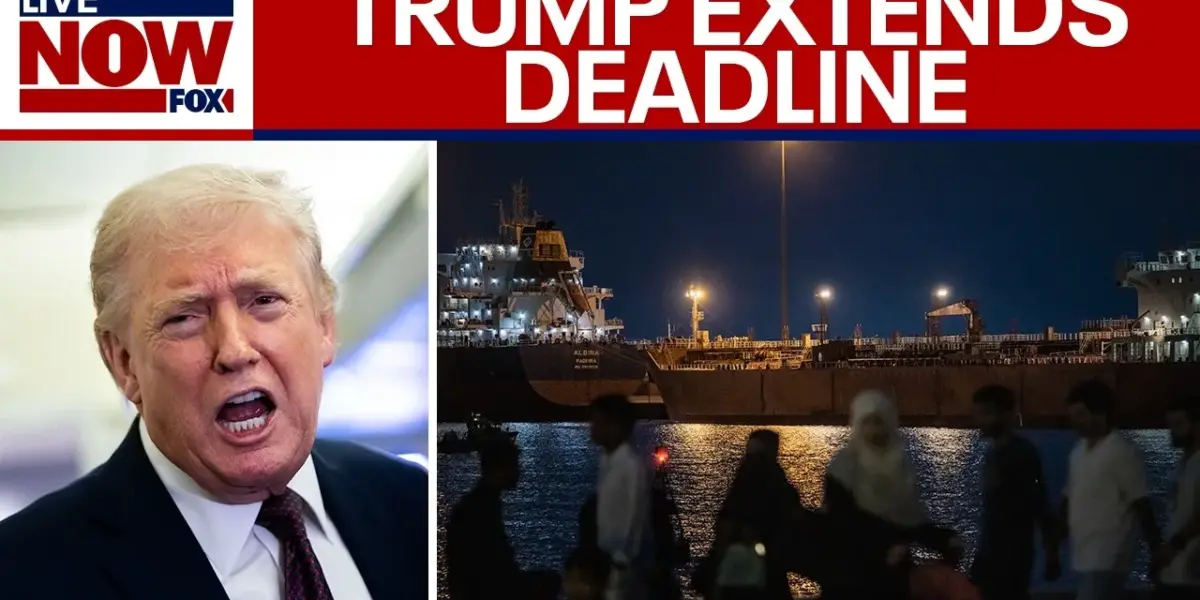
Trump Halts Military Action Against Iran, Aims for Diplomatic Resolution
In a significant shift of policy, President Donald Trump announced Monday that the United States will postpone planned military strikes against Iranian power plants and energy infrastructure. This decision comes after “very good and productive conversations” between U.S. and Iranian officials over the past two days, according to a post on Trump’s Truth Social website. The announcement was made just hours before a deadline for Iran to reopen the Strait of Hormuz.
Oil Prices Face Volatility Amidst Middle East Tensions
Global oil prices have remained high, with Brent crude, the international standard, trading around $112 a barrel. This represents a nearly 55% increase since February 28th, when conflict began between Israel and Iran. The situation has raised concerns about potential disruptions to global energy supplies, particularly through the Strait of Hormuz, a vital waterway for oil transport.
Expert Analysis: Global Impact of Strait of Hormuz Disruptions
Rocky Whites, a professor of practice in maritime studies at the Fletcher School at Tufts University, explained that the impact of these disruptions varies by region. “For all global markets, it’s probably going to get worse before it gets better,” Whites stated. He believes the next 24 hours are critical for energy prices this year.
The United States, Canada, and Mexico are considered the most insulated from long-term disruptions due to their domestic production and refining capacity. Whites noted that natural gas prices in the U.S. have remained stable or even decreased. However, countries in Asia, particularly China and South Korea, along with Europe, are more vulnerable to price increases and supply shortages.
The price of Omani crude, an Asian benchmark, has risen sharply, approaching $150 a barrel, while West Texas Intermediate (WTI), the U.S. benchmark, has stayed below $100. This divergence highlights the uneven impact of the geopolitical tensions on different markets.
Diplomatic Breakthrough or Temporary Reprieve?
President Trump’s social media posts revealed a rapid change in strategy. Initially, he threatened to strike Iranian power plants if the Strait of Hormuz was not reopened within 48 hours. However, he later announced that “good and productive conversations” had led to a decision to postpone military action for a five-day period, contingent on the success of ongoing talks.
Whites described this move as “smartly timed” by the White House to reduce geopolitical risk factors before markets opened. “They’re trying to take down the geopolitical risk factor pretty significantly,” he said. The five-day delay is strategically placed to cover the entire trading week, when trading volumes are highest.
“I am pleased to report that the United States of America and the country of Iran have had over the last two days very good and productive conversations regarding a complete and total resolution of our hostilities in the Middle East.”
President Donald Trump
Consumer Impact: Beyond Shipping Costs
While direct shipping costs and marine insurance premiums have increased significantly, Whites explained that these are not the primary drivers of consumer price hikes. Instead, the disruption to the trade of natural gas, crude oil, and fertilizer has a larger effect.
The agricultural sector, heavily reliant on fertilizers produced as a byproduct of oil refining, faces pressure. This impacts food prices, especially in India and Southeast Asia, where timely fertilizer inputs are crucial for planting seasons. The increased cost of gasoline and diesel also drives up transportation costs, which are then passed on to consumers by grocery stores and other vendors.
Looking Ahead: Optimism for Stabilized Prices
Despite the ongoing uncertainty, Whites remains cautiously optimistic. He predicts that U.S. gasoline prices may begin to fall within 30 days, depending on developments over the next two weeks. He also pointed to the Houthis in Yemen, an Iranian proxy group, as a potential wildcard. Any disruption to the Red Sea, via the Bab el-Mandeb strait, could further shock oil markets, particularly for Asian and European supplies.
Whites anticipates that markets will likely stabilize within 30 days. The focus remains on the diplomatic discussions between the U.S. and Iran, which will determine the future trajectory of energy prices and global stability. The coming week will be crucial in observing the outcomes of these negotiations and their impact on the volatile geopolitical landscape.
Source: Trump extends deadline for Iran to reopen Strait of Hormuz (YouTube)

Related Articles
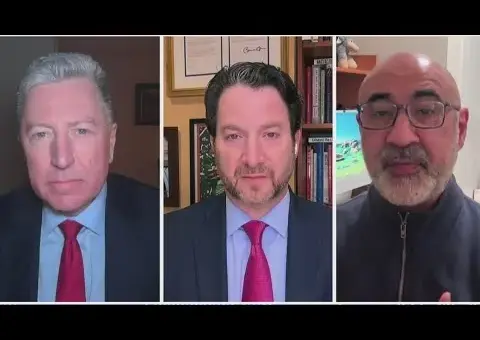
U.S. Iran Tensions Rise Amid Shifting Alliances
Rising tensions between the U.S. and Iran are creating a volatile geopolitical situation. With conflicting signals on de-escalation and potential shifts in alliances like NATO and U.S.-Israel relations, the path forward remains uncertain. The global economy and regional stability hang in the balance.


Iran Targets US With Cyberattacks, Escalating Digital Warfare
Iran is increasingly using cyberattacks to challenge the U.S., as seen in a recent hack of the FBI director's account. Experts say this is a strategic shift due to Iran's limitations in conventional warfare. The U.S. needs to strengthen its digital defenses, focusing on encryption and cloud computing, rather than solely relying on traditional security measures.

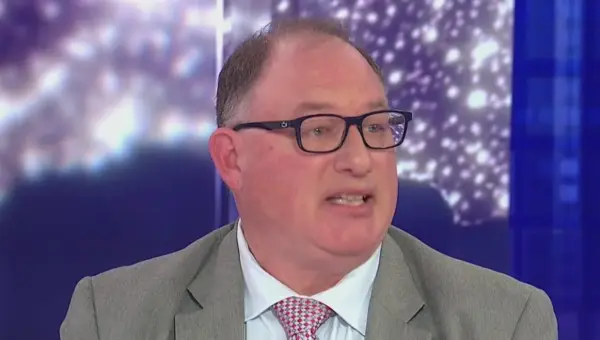
Iran Hacks FBI Chief, Exposing U.S. Cyber Vulnerabilities
A recent hack of FBI Director Kash Patel's personal email by an Iran-linked group highlights Iran's growing cyber threat to the U.S. Experts explain how simple security oversights are exploited, emphasizing the need for basic defenses like two-factor authentication to protect against propaganda and potential infrastructure attacks.