Trump Delays Iran Strike Deadline Amidst Shifting Diplomacy
President Donald Trump has extended his deadline for potential strikes on Iranian energy plants to April 6th, amid reports of U.S.-Iran diplomatic talks mediated by Pakistan. This move comes as Israel continues its strikes on Iran and the U.S. deploys additional military assets to the region. Analysts point to mixed signals, economic pressures, and strategic miscalculations as key factors shaping the evolving situation.

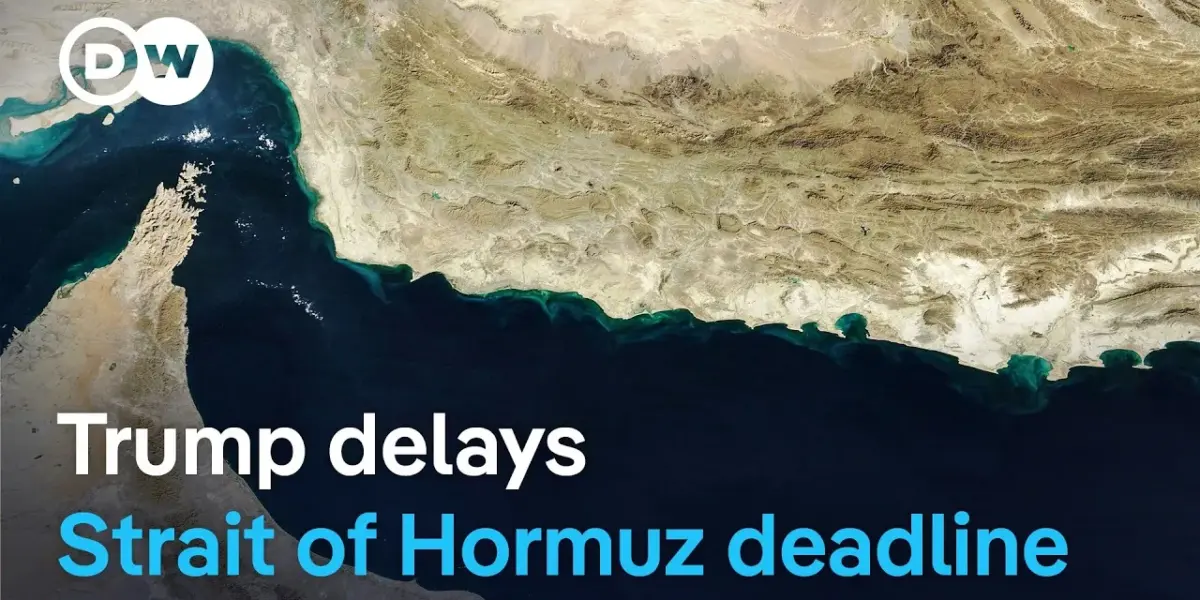
Trump Extends Iran Ultimatum as Diplomatic Efforts Surface
President Donald Trump has postponed a critical deadline for military action against Iran, pushing back the date for potential strikes on Iranian energy plants to April 6th. This decision comes as reports suggest diplomatic talks between the U.S. and Iran are being prepared, with Pakistan acting as an intermediary. However, Iran has shown no direct signs of being ready for negotiation or compromise. The U.S. is simultaneously preparing to escalate its military presence, with paratroopers from the 82nd Airborne Division ordered to the Gulf region, and potentially another 10,000 troops following.
Mixed Signals: Escalation and Negotiation
The situation presents a complex mix of escalating military posture and apparent diplomatic outreach. U.S. military assets, including the assault ship USS Tripoli with its aircraft and marines, are still heading toward Iran. Potential targets include Kangan Island, Iran’s oil distribution hub, which has already been bombed by the U.S. and could be a focus for occupation. Iran has vowed to resist any foreign troop presence on its soil, with its army ground force commander warning of dangerous and costly consequences for any U.S. incursion. Meanwhile, Iran has reiterated its threat to close the Bab el-Mandeb Strait, a vital waterway for global shipping, which accounts for 10% of the world’s sea traffic. Houthi proxy forces in Yemen have also stated their readiness to join the conflict if necessary.
Israel’s Role and U.S.-Israeli Alignment
Adding to the tension, Israel has reportedly launched another wave of strikes on Iran, targeting residential buildings and causing casualties, according to state media. Officials in the Middle East report that the death toll from the ongoing conflict, involving both U.S. and Israeli actions, has surpassed 3,000 people. The alignment between U.S. and Israeli objectives in the war remains a significant question. Professor Simon Maban of Lancaster University noted the uncertainty, stating, “We just don’t know to what extent Benjamin Netanyahu and Donald Trump have sort of have brought their ideas about what the end goal should be here.” While both leaders have spoken of regime change, Trump later clarified his desire for a change of the regime rather than the entire system. Maban observed that Netanyahu appears unwilling to de-escalate, while Trump seems more open to discussions for an “off-ramp” from the conflict.
“We’ve heard a lot of mixed messages coming out of Washington, coming out of Israel about what the desired end goal is.” – Simon Maban, Professor of International Politics
The Prospect of Talks Amidst Suspicion
Despite Iran’s denial of direct talks, the prospect of negotiations mediated by Pakistan is being explored. However, Iran harbors deep suspicion toward U.S. intentions, citing past experiences where talks were followed by military action. “From the Iranian side, there’s a great deal of suspicion about talks,” explained Maban. He recalled instances in June 2025 and earlier this year where U.S.-Iran discussions were followed by conflict or bombing. This history leads many in Tehran to question whether the U.S. is acting in good faith or merely using talks to gain time while military assets deploy. While direct talks are uncertain, indirect communication and message relaying between the two nations are likely occurring, allowing both sides to understand potential de-escalation paths.
Uncertainty Over Trump’s Intentions and Economic Pressures
The true intentions behind Trump’s extended deadline and troop movements remain unclear. Experts suggest that Trump’s messaging on Iran has been inconsistent, making predictions difficult. Tyson Barker, a fellow at the Atlantic Council, noted that Trump has a history of extending deadlines in other diplomatic situations. He believes the U.S. is weary of the prolonged conflict, and the economic impact is a significant factor. The Dow Jones saw a dramatic drop, and oil prices have surged, affecting the U.S. economy. For a businessman like Trump, these negative economic indicators are likely a cause for concern. Some analysts speculate that the threat to strike Iranian energy plants might have been a bluff to increase pressure, a bluff Iran has seemingly called, potentially cornering Trump.
Strategic Miscalculations and the Path Forward
There is a consensus among analysts that the current war was poorly planned and executed without sufficient due diligence or democratic checks, such as congressional approval or clear public messaging. A significant oversight was the underestimation of Iran’s capabilities and its control over the Strait of Hormuz. “The fact that they were willing to admit that the closure of the strait of Hormuz was something that they didn’t anticipate is a massive blind spot,” stated Barker. The U.S. strategy may need to adapt, especially considering the deteriorating impact on the global and American economies, which is seen as the administration’s greatest vulnerability. The challenge for the U.S. is to find a way to declare a convincing victory and exit the conflict before further economic damage occurs.
Finding an Exit: Face-Saving Options and Future Outlook
Finding a face-saving way out of the conflict, especially with midterm elections looming, is a key consideration. If the U.S. objectives were indeed to degrade Iran’s military and leadership, these could be declared as met, allowing for a potential declaration of victory. However, the shifting objectives and lack of clear communication to Congress, the American public, and allies make this path complicated. While direct negotiations might be on the horizon, they are in very early stages, with significant hurdles to overcome, including differing objectives between the U.S. and Israel. The path to de-escalation and a stable resolution remains long and uncertain.
Source: Trump postpones his Strait of Hormuz deadline for Iran | DW News (YouTube)

Related Articles
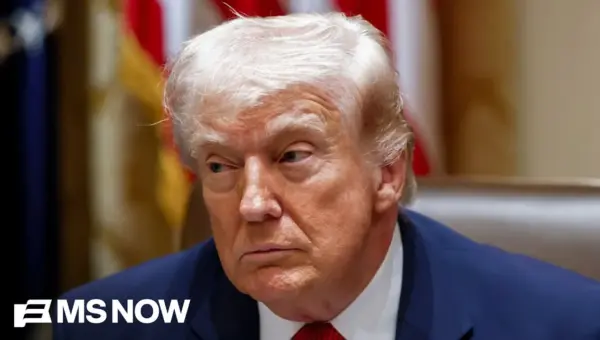
Iran War Claims Ring Hollow as US Troops Injured in New Attack
Days after Donald Trump claimed "we've won" the war with Iran, a new attack injured approximately a dozen U.S. troops and damaged aircraft. This incident contradicts Trump's assertions of victory and raises serious questions about the strategy and reality of the ongoing conflict.
Trump Ignored Iran War Warnings, Aides Feared Retaliation
President Trump allegedly ignored repeated warnings from his own intelligence agencies regarding the dangers of escalating conflict with Iran. Reports suggest his administration was unprepared for predictable responses like the closure of the Strait of Hormuz and significant depletion of munitions. Many within the White House reportedly suppressed their concerns for fear of repercussions.


Strait of Hormuz Blockade: Insurance Costs Soar, Ships Stuck
The Strait of Hormuz remains largely blocked despite Iran's claims of openness, with soaring insurance costs acting as a major deterrent for ships. Skyrocketing premiums, from less than 1% to potentially 7.5% of a vessel's value, make transit financially unviable for many. This situation impacts global oil prices and the broader economy, highlighting the complex interplay of geopolitical tensions, insurance markets, and international trade.