Trump Defends Surprise Iran Attack, Cites Pearl Harbor
Former President Donald Trump defended not informing allies about a planned attack on Iran, comparing the tactic to the surprise attack on Pearl Harbor. He argued that surprise is essential for military success. The discussion also covered upcoming trade talks with China and Japan's approach to dialogue with Beijing.

Trump Defends Surprise Iran Attack, Cites Pearl Harbor
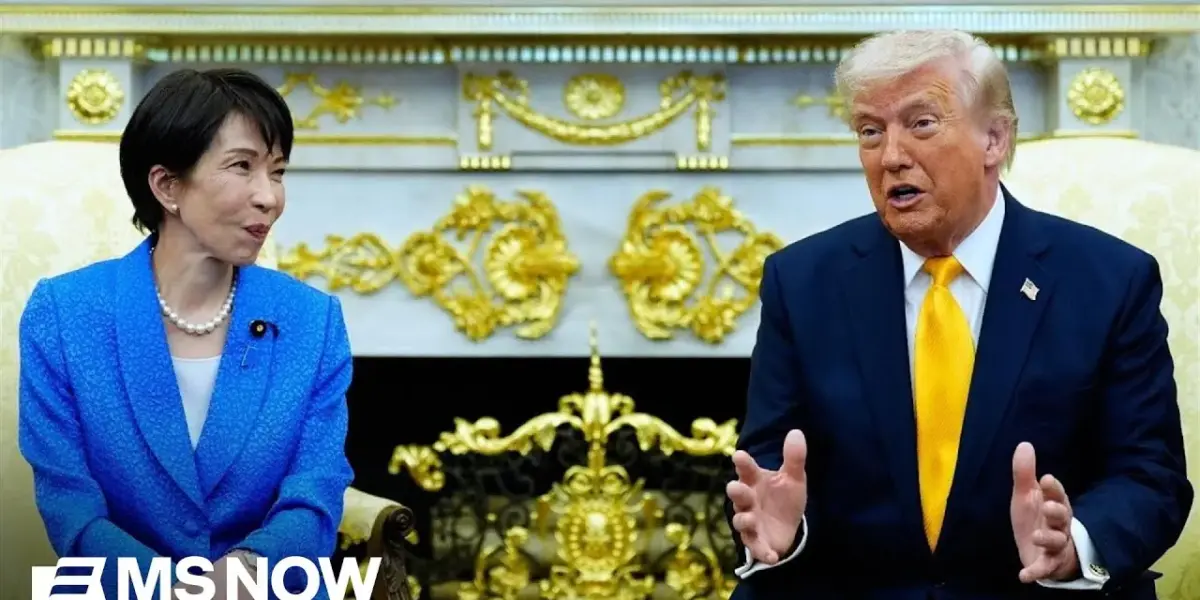
Former President Donald Trump recently explained a controversial decision not to inform key allies, including Japan, before launching an attack on Iran. Trump drew a parallel to the surprise attack on Pearl Harbor, suggesting that surprise is a crucial element in military operations. The former president’s remarks, made during a discussion about foreign policy and upcoming international engagements, have sparked debate about transparency and strategy in U.S. foreign relations.
The Rationale Behind the Surprise
During a conversation, Trump addressed why the U.S. did not provide advance notice to allies like Japan about the operation against Iran. He argued that revealing such plans would eliminate the element of surprise, which he believes is vital for success. “One thing you don’t want to signal too much,” Trump stated. “You know, when we go in, we went in very hard and we didn’t tell anybody about it because we wanted surprise.” He emphasized the effectiveness of this approach, claiming it allowed the U.S. to neutralize a significant portion of the target’s capabilities early on. “Because of that surprise, we knocked out the first two days, we probably knocked out 50% of what we and much more than we anticipated doing,” he added.
Pearl Harbor Analogy
To underscore his point about the importance of surprise, Trump invoked the historical attack on Pearl Harbor. “Who knows better about surprise than Japan?” he questioned, directly referencing the event that brought the United States into World War II. “Why didn’t you tell me about Pearl Harbor?” he asked rhetorically, implying that Japan itself understands the shock value of an unannounced military action. This analogy highlights Trump’s perspective that military success can hinge on the element of unexpectedness, even when dealing with allies.
Shifting Focus to China and Japan-China Relations
The discussion also touched upon Trump’s upcoming trip to China and the complex relationship between Japan and China. Trump expressed his intention to discuss trade with China and noted that he would be speaking with Japanese Prime Minister Fumio Kishida beforehand. He indicated a desire for Kishida to share his views on China, given Japan’s “edgy relationship” with the neighboring superpower. “I think I’d really like to have the prime minister talk about China because I know they have a little bit of an edgy relationship,” Trump remarked.
Japan’s Stance on China Dialogue
Japanese Prime Minister Kishida, speaking on the same topic, outlined Japan’s approach to its relationship with China. He stated that Japan has “consistently been open to dialogue with China.” Kishida also mentioned that Japan has been addressing its relations with China in a “calm manner.” His hope is that the broader U.S.-China relationship will foster regional security and help maintain global supply chains. “My sincere hope is that the relationship will be something conducive for a regional security and also in ensuring the global supply chain in the world,” Kishida explained. He reiterated Japan’s openness to dialogue, emphasizing a consistent policy toward Beijing.
Trade and Energy Discussions
Trump’s upcoming trip to China, which was postponed and rescheduled, is expected to focus heavily on trade. He anticipates having “good talks” primarily about trade, noting China’s significant interest in purchasing American goods. Trump specifically highlighted energy exports, particularly oil and gas from Alaska. He pointed out the geographical advantage of Alaska for supplying energy to Asia. “They’re a tremendous purchaser of our energy, our oil. Gas from in particular Alaska because Alaska believe it or not is very close,” Trump said. He explained that Alaska is much closer to Asian markets than other sources, making it a strategically important region for energy trade. “It’s just a short trip,” he concluded, indicating that energy would be a key topic during his discussions with Chinese leadership.
Looking Ahead
The former president’s remarks on military strategy and his plans for international diplomacy, particularly concerning China and energy trade, set the stage for future foreign policy discussions. The rescheduled trip to China and the ongoing dialogues with allies like Japan will be closely watched for their impact on regional stability and global economic relations. The emphasis on surprise in military actions versus the need for allied consultation remains a critical point of consideration.
Source: Trump on why U.S. didn't alert Japan about Iran: 'Why didn't you tell me about Pearl Harbor?' (YouTube)

Related Articles
Trump’s “Walk Away” Tactic Signals Tougher Stance on China
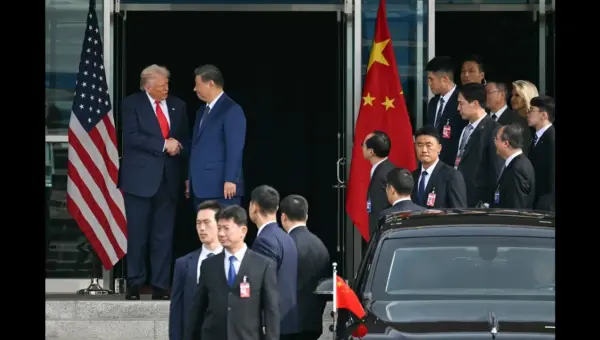
Retired Air Force Brigadier General David Stillwell believes President Trump's strategy of being willing to walk away from negotiations puts pressure on China. This tactic, combined with US global actions and strengthened alliances, signals a more assertive American foreign policy.
Trump’s Name Everywhere: A ‘Stain’ on GOP Legacy?
Former President Donald Trump's efforts to brand national symbols, including a proposed signature on dollar bills, spark debate. Critics view this as an authoritarian attempt to embed his legacy, potentially staining the Republican Party's history and contrasting with democratic ideals of public ownership.
Trump’s War Talk Stuns Financial Crowd
Donald Trump's recent speech in Miami focused on his foreign policy, particularly his critical views on NATO and his vision for international relations. He declared the U.S. would no longer defend NATO allies, questioned the value of existing alliances, and suggested renaming the Strait of Hormuz. The speech also touched on his personal views of success, his allies, and his perceived role as a global peacemaker.