Trump Declares War: Iran Ships Face Deadly Force
President Donald Trump issued a severe warning, stating any Iranian ships nearing a U.S. blockade would be "immediately ELIMINATED." This aggressive stance follows reports of failed diplomatic talks and escalates existing maritime tensions. The situation highlights the volatile nature of U.S.-Iran relations and the potential for conflict.

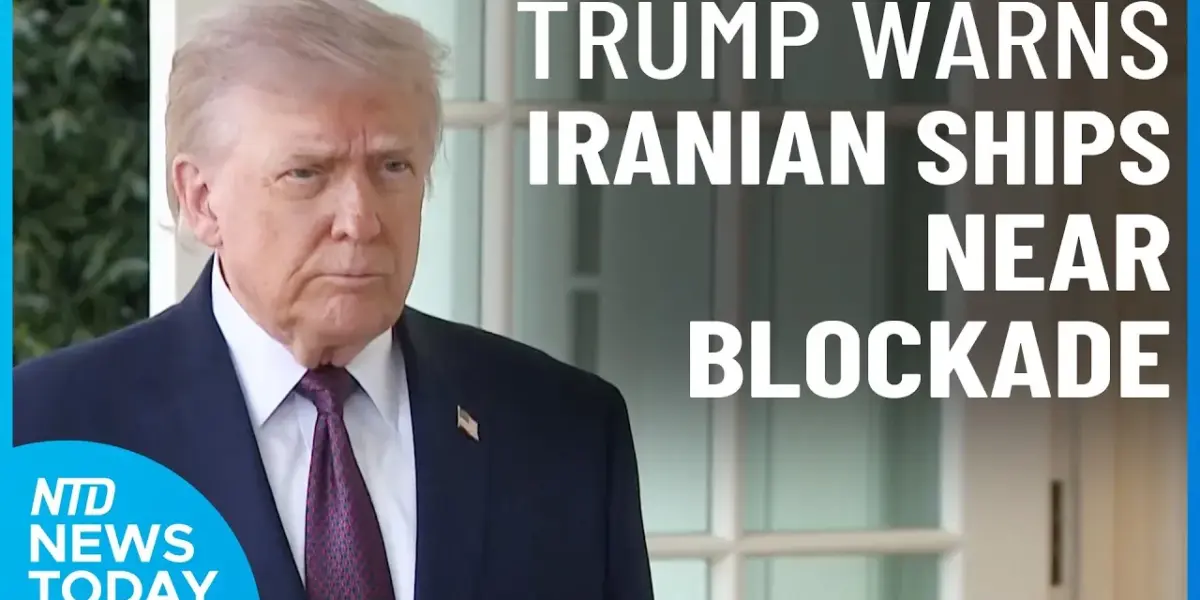
Trump’s Stark Warning to Iran: Ships Face Elimination
President Donald Trump recently issued a strong warning to Iran. He stated that any Iranian “fast-attack” ships coming near a U.S. maritime blockade would be destroyed. This firm message was posted on his social media platform, Truth Social. Trump made it clear that the response would be swift and severe.
The Threat: “Quick and Brutal”
The President’s statement was direct and left little room for misinterpretation. “Warning: If any of these ships come anywhere close to our BLOCKADE, they will be immediately ELIMINATED,” Trump wrote. He compared the action to how drug dealers on boats are dealt with at sea. This comparison highlights the intended speed and finality of the U.S. response.
Context: Maritime Tensions and Blockades
This warning comes amid ongoing tensions in maritime regions. A naval blockade is a military action where ships surround a port or coast to stop traffic from entering or leaving. It’s a way to exert pressure without necessarily invading. Historically, blockades have been used in conflicts to cut off supplies and cripple an enemy’s economy.
The U.S. has a history of asserting its naval power in critical shipping lanes. These actions are often framed as protecting international trade or ensuring security. However, they can also be seen as a way to project strength and influence global politics. Iran, a country with significant regional influence, has often been in the spotlight regarding its naval activities.
Failed Talks and Escalating Rhetoric
The situation also follows reports of failed talks between nations. While the transcript doesn’t detail these talks, it implies a breakdown in diplomatic efforts. When negotiations falter, rhetoric often intensifies. This can lead to increased military posturing and heightened risks of confrontation.
Trump’s warning could be interpreted as a response to perceived provocations or a preemptive move to deter future actions. The mention of a “blockade” suggests a specific area of concern for the U.S. Navy. Such zones are often established to control movement and prevent unwanted activities.
Why This Matters
This incident is significant because it shows how quickly diplomatic tensions can escalate into military threats. President Trump’s direct and forceful language signals a potential shift towards a more aggressive stance. It raises questions about the current state of U.S.-Iran relations and the broader stability in the region. The use of strong, almost violent, language by a world leader can have far-reaching consequences, influencing international perceptions and potentially triggering responses from other nations.
Implications and Future Outlook
The immediate implication is an increased risk of naval incidents. If Iranian ships test the U.S. warning, the consequences could be severe, potentially leading to direct conflict. This could destabilize the region further, impacting oil prices and global trade. It also puts pressure on other countries to navigate these complex geopolitical waters carefully.
Looking ahead, the situation highlights the challenges in managing international relations through both diplomacy and military deterrence. The effectiveness of such strong warnings is debatable. Some argue they are necessary to show resolve, while others believe they increase the chances of miscalculation and war. The world will be watching to see if this tough stance leads to de-escalation or further conflict.
Background: U.S.-Iran Relations
The relationship between the United States and Iran has been complex and often adversarial for decades. Following the 1979 Iranian Revolution, diplomatic ties were severed. Since then, numerous events have strained relations further, including issues related to Iran’s nuclear program, its regional activities, and U.S. sanctions.
Naval encounters in the Persian Gulf and surrounding waters have occurred periodically. These often involve Iranian boats operating in close proximity to U.S. naval vessels. The U.S. Navy maintains a significant presence in the region to ensure freedom of navigation and counter threats. This historical context helps explain why maritime warnings like Trump’s carry such weight.
The approach taken by different U.S. administrations has varied, from seeking dialogue to applying maximum pressure. President Trump’s “maximum pressure” campaign aimed to isolate Iran economically and diplomatically. This latest warning appears to be a continuation of that assertive policy, using military threat as a key tool.
Conclusion: A Dangerous Game
President Trump’s warning to Iran is a stark reminder of the volatile nature of international relations. The combination of failed talks and direct military threats creates a dangerous environment. The coming days and weeks will reveal how Iran responds and whether diplomatic channels can still be found to avoid a potentially devastating conflict. The stakes are high, not just for the U.S. and Iran, but for global stability.
Source: Trump Warns Iranian Ships near US Blockade; What’s Next After Failed Talks | NTD News Today April 13 (YouTube)

Related Articles
Pope Challenges Trump’s Grip on Narrative
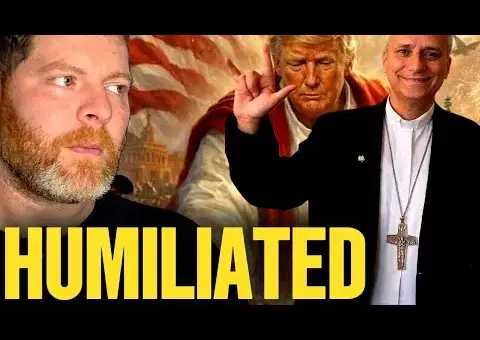
A surprising public confrontation has erupted between former U.S. President Donald Trump and Pope Francis. Trump's provocative social media posts and AI-generated religious imagery clashed with the Pope's calm, value-based response. This incident highlights differing styles of leadership and the complex intersection of faith, politics, and digital media.
Trump’s Global Chaos: Might Makes Right?
Donald Trump's actions, from challenging international law to embracing a Christ-like image, are reshaping the global order. This shift towards 'might makes right' creates instability and emboldens adversaries, while figures like the Pope warn of a loss of human dignity and justice.

Trump’s White House Presser Spirals into Chaos
Donald Trump's recent White House presser devolved into a chaotic display, featuring claims of AI-generated Jesus imagery, a refusal to apologize to Pope Francis, and the controversial use of a DoorDash worker as a prop. The event touched on international policy, market manipulation, and drew sharp criticism.