Trump Declares Victory Amidst Escalating Conflict
President Trump claims victory in the conflict with Iran, yet thousands of troops are being deployed and significant funding is requested. This disconnect raises serious questions about the true state of the war and what "victory" means in the Middle East.

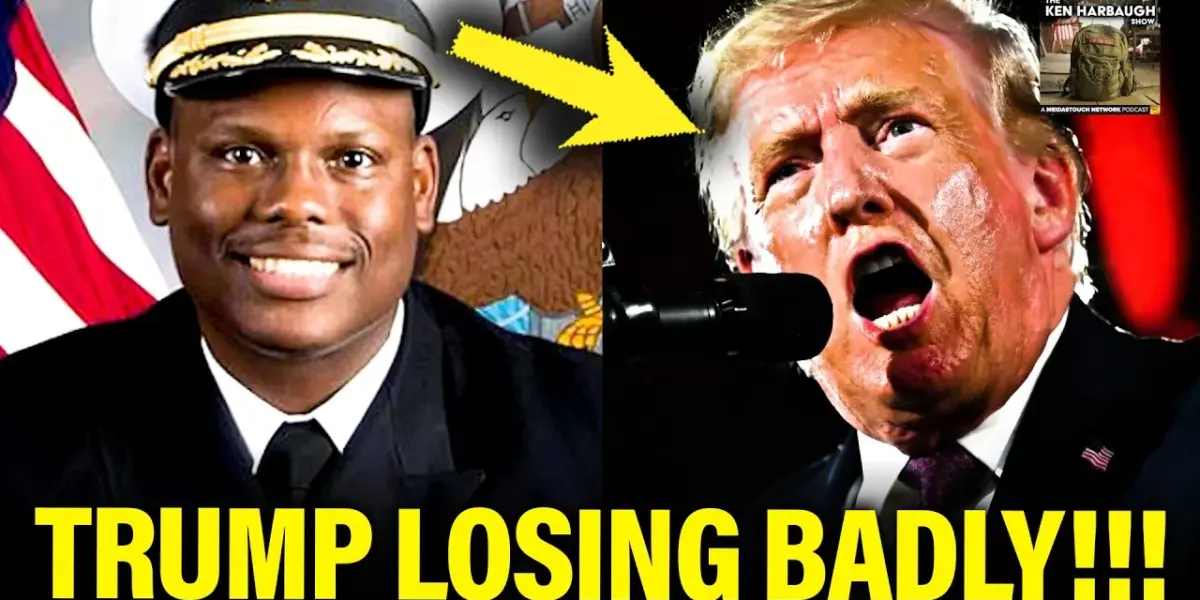
Trump Declares Victory Amidst Escalating Conflict
President Donald Trump has repeatedly stated that the United States has won the war with Iran. This claim comes at a time when the U.S. is sending thousands of troops to the Middle East and requesting billions in funding. This situation raises questions about what “victory” truly means in this context, especially when compared to past conflicts and current military deployments.
Mixed Signals on the Battlefield
Despite the president’s assertions of victory, several indicators suggest a more complex reality. Gas prices are at an all-time high, and multiple military units, including Marine expeditionary units and an aircraft carrier, are being deployed to the region. The 82nd Airborne Division’s command elements are also en route, with a combat brigade team on standby. This significant military buildup seems at odds with the idea of a war already won.
If you have already won this war, then why are literally thousands of troops headed to the Middle East with a $200 billion request for funding sitting on Congress’s door?
Historical Echoes and Strategic Concerns
The current situation draws parallels to the “Mission Accomplished” moment in the Iraq War. Then-President George W. Bush’s declaration of victory from the deck of an aircraft carrier is now seen as a major strategic misstep. Decades later, the ongoing complexities in the Middle East highlight the dangers of premature declarations of victory. The current conflict, which began with President Trump withdrawing from the Iran nuclear deal, appears to be escalating rather than concluding.
International Alliances Tested
Adding to the complexity, key U.S. allies, including NATO members like the United Kingdom and France, have largely distanced themselves from direct involvement in this conflict. While some nations are working to keep vital shipping lanes open, the broader international support the U.S. might expect in a clear-cut victory scenario seems absent. Some countries are even calling for a new world order where middle powers have more autonomy, suggesting a potential shift away from U.S. leadership.
The Shifting Definition of Victory
The definition of victory itself is becoming increasingly unclear. While the president claims Iran’s military is defeated, citing the destruction of its navy and air force, reports indicate ongoing attacks on vital infrastructure in countries like Saudi Arabia, Bahrain, and Kuwait. American military bases have also been targeted. The claim of a decisive win is further complicated by reports of over 290 American casualties, including those killed in action.
Censorship and Information Control
Concerns about information control have also surfaced. The U.S. has reportedly attempted to restrict press access to dignified transfer services and the Pentagon, actions that were later overruled. This move towards censorship during a time of conflict raises serious questions about transparency. Meanwhile, both Israel and Iran are reportedly censoring information coming from their respective areas, creating a heavily controlled narrative.
Economic and Political Ramifications
The economic aspect of the conflict is also a point of concern. The U.S. has eased sanctions on Iran, a nation it is actively engaging militarily, in an effort to prevent energy prices from falling. This action suggests a significant concern about the economic fallout of the conflict, which seems counterintuitive if victory has indeed been achieved. Furthermore, the political ramifications, including the activation of terrorist cells and the status of enriched uranium, remain largely unaddressed in public discourse.
The Unanswered Question: What Does Peace Look Like?
Perhaps the most significant unanswered question is what the post-conflict Middle East will look like. While military tactics and troop movements are discussed, there is a notable absence of a clear vision for lasting peace. The U.S. has not articulated what a successful outcome entails beyond military objectives. This lack of a defined end goal, coupled with repeated bombings of Iran amidst negotiations, suggests a strategy that prioritizes immediate military action over long-term diplomatic solutions.
A Disconnect in Analysis
The disconnect between the president’s claims of victory and the assessments of military and economic analysts is stark. Many experts argue that the U.S. is not winning and could, in fact, be losing. The ongoing military deployments and financial requests lend weight to these concerns. The question remains: if the war is won, why the massive expenditure and continued escalation?
Why This Matters
This situation is critical because the rhetoric of victory in the face of escalating conflict and significant U.S. military commitment creates a dangerous disconnect. It risks misinforming the public, undermining diplomatic efforts, and potentially leading to prolonged conflict with severe human and economic costs. The lack of transparency and a clear post-conflict strategy, especially when contrasted with historical examples like “Mission Accomplished,” highlights the need for a more grounded and realistic assessment of the situation in the Middle East.
Implications and Future Outlook
The implications of this current trajectory are far-reaching. It could lead to further regional instability, increased anti-American sentiment, and a strained relationship with international allies. The future outlook depends heavily on whether a clear, achievable definition of victory and a comprehensive peace plan are established. Without these, the current path risks becoming another costly chapter in a long and complex regional history, where declarations of victory may mask underlying failures.
Source: Navy Commander WARNS Trump is LOSING WAR!!! (YouTube)

Related Articles
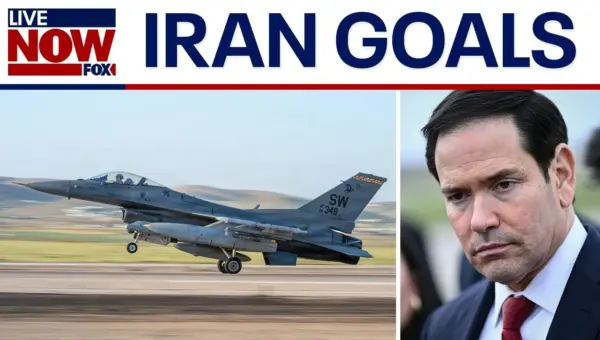
Rubio: US Can Achieve Iran War Goals Without Troops
Senator Marco Rubio outlined a strategy to counter Iran without deploying U.S. ground troops, focusing on weakening the regime and enhancing maritime security. He also criticized Cuba's economic system and expressed concerns about West Bank violence.


Tiger Woods Arrested for DUI After Crash
Golf legend Tiger Woods was arrested for DUI in Florida following a dramatic rollover crash. Meanwhile, a government shutdown continues as House Republicans block a Senate deal, leading to airport chaos and TSA worker pay issues. The stock market also plummeted into correction territory amid fears of a prolonged Iran conflict.

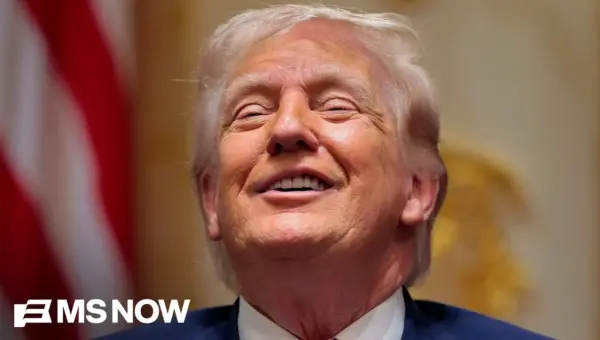
Trump’s Name Everywhere: A ‘Stain’ on GOP Legacy?
Former President Donald Trump's efforts to brand national symbols, including a proposed signature on dollar bills, spark debate. Critics view this as an authoritarian attempt to embed his legacy, potentially staining the Republican Party's history and contrasting with democratic ideals of public ownership.