Trump Declares Iran’s Military ‘End of the Line’ Amid Operation Epic Fury
President Trump has declared Iran's military on the brink of collapse following Operation Epic Fury, citing the decimation of its naval, air, and anti-air capabilities. Economic measures and strategic maneuvers aim to stabilize global oil markets amidst regional tensions.

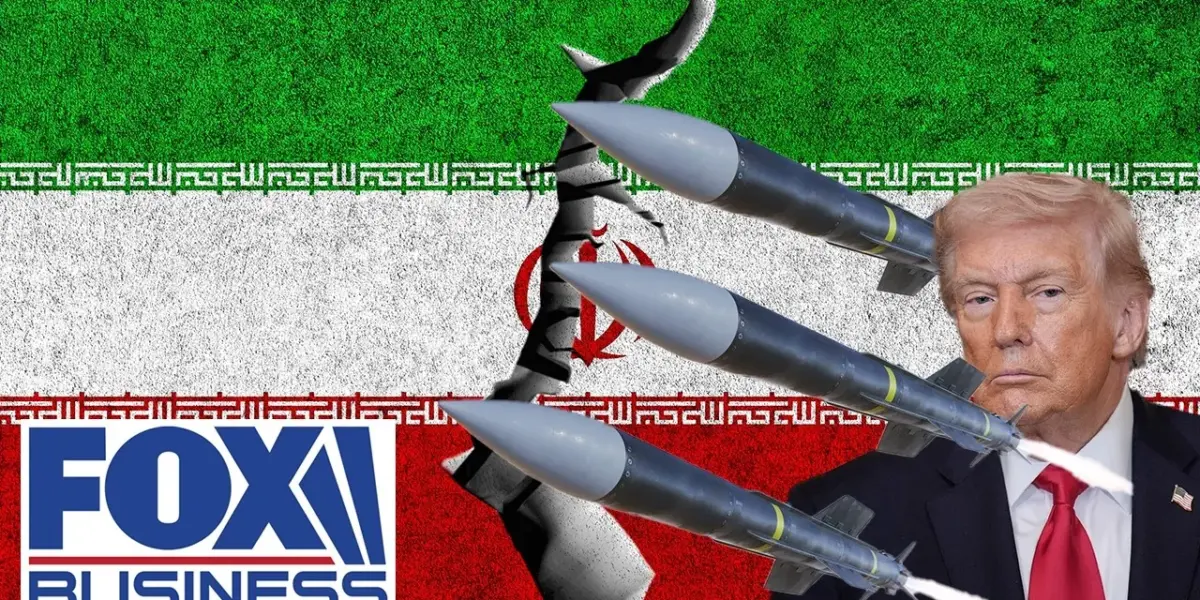
Trump Claims Decisive Victory in Operation Epic Fury
President Donald Trump has declared that Iran’s military is on the verge of total collapse, signaling a decisive victory in the ongoing military operation, codenamed ‘Epic Fury.’ Speaking on the war front, Trump stated that Iran is being “absolutely decimated” and is “pretty much at the end of the line.” He asserted that Iran’s navy, air force, and anti-air capabilities have been neutralized, leaving the country without effective systems of control. “We’re riding free range over the country and most say it’s been won. Just a question of when. When do we stop?” Trump commented, indicating that the conflict’s conclusion is imminent, though the complete cessation of hostilities may take some time.
Operation Epic Fury Targets Iranian Infrastructure
Operation Epic Fury, as described by Maria Bartiromo, has reportedly dismantled nearly all of the Iranian regime’s military infrastructure. The United States launched a series of strikes against Tehran throughout the week, encountering significant retaliation from Iran in the region, particularly in the preceding days. Roger Zakheim, a guest on the program, characterized the situation as the “beginning of the end of the Iranian regime.” He acknowledged that the campaign, designed to degrade the Iranian military’s capabilities, was never intended to be concluded in a matter of days but rather weeks. Zakheim highlighted the Strait of Hormuz, noting its narrowest point is merely two miles wide, making it a critical focus for campaign planners seeking to clear it of threats. He predicted that the current actions would lead to “short-term instability for long-term stability.”
Economic Measures and Oil Market Stability
In response to the conflict and potential oil price volatility, President Trump announced the withdrawal of 172 million barrels of oil from the Strategic Petroleum Reserve, with a promise to replenish it swiftly. The International Energy Agency also committed to releasing 400 million barrels from its emergency reserves. These measures aim to counter Iran’s attempts to create fear of oil prices soaring to $200 a barrel, a threat amplified by Iran’s attacks on shipping vessels. Zakheim emphasized President Trump’s control over the economic levers, stating, “President Trump holds the purse strings here and this is the market here.” He refuted the notion that “America Alone is America First,” arguing that the nation’s substantial investment in energy resources enables it to conduct military campaigns without jeopardizing American energy security or fuel prices. While acknowledging potential short-term price increases, Zakheim maintained that the President possesses the ultimate control to manage the situation.
“We’ve got to open our eyes and get a little clear eyed on what’s happening here. We fall prey to walking away on this premature reigns leading over oil prices — premature reigns leading over oil prices, we’re giving Iran a win.”
General Jack Keane (via transcript)
Strategic Importance of the Strait of Hormuz
The ongoing tensions in the Strait of Hormuz remain a critical concern. U.S. Central Command has urged civilians to avoid ports along the strait, as the Iranian regime has reportedly been using civilian ports for military operations and to threaten international shipping. Under international law, civilian ports utilized for military purposes lose their protected status and become legitimate military targets. Roger Zakheim addressed the measures needed to secure the Strait, stating the necessity to guard against missiles, drones, and mines. He noted that while significant progress has been made against missiles and drones, clearing mines is a more time-consuming process, potentially taking another week to establish full security. “If we get this right and we’ll go ahead and secure the passage of economic commerce here and the world relies upon,” Zakheim asserted.
Defense Infrastructure and Innovation Needs
The discussion also touched upon the broader aspects of U.S. defense infrastructure and policy. Zakheim reviewed a defense card, assigning grades for innovation and leadership. He highlighted the importance of a defense supplemental and expressed concerns about a perceived drop in defense spending compared to previous years. While acknowledging the energy within the nation’s innovators and industrial base, Zakheim pointed to the need for a substantial budget, referencing President Trump’s proposed $1.5 trillion budget as essential. He also raised questions about the U.S.’s dominance in drone capabilities following recent conflicts, particularly in the Persian Gulf. Zakheim stressed the need for enhanced conventional military capabilities and expressed that the necessary production levels have not yet been achieved, suggesting that improvements in defense monetization grades would follow once these production goals are met.
Looking Ahead
As Operation Epic Fury nears its declared conclusion, the focus will likely shift to the long-term stability of the region and the economic implications of the conflict. The effectiveness of the deployed economic measures in stabilizing oil markets and the success in fully securing the Strait of Hormuz will be key indicators. Furthermore, the progress in rebuilding Iran’s governance structure, as alluded to by President Trump, and the broader impact on Middle Eastern geopolitics will be critical developments to monitor in the coming weeks and months.
Source: ‘END OF THE LINE’: Trump signals Iran’s TOTAL military collapse (YouTube)

Related Articles

Trump Halts Iran Strikes Amid Stalled Diplomacy
President Trump announced a pause on planned strikes against Iran, citing productive talks, though Iran denies negotiations occurred. Reports also suggest a potential U.S. ground operation on Iran's Hark Island. The situation raises concerns about international support for Ukraine and potential shifts in U.S. foreign policy.


Polls Spell Doom: Republicans Face Voter Backlash
New polling data reveals a sharp decline in public confidence regarding the economic impact of Republican policies, particularly under Donald Trump. A significant majority now feel financially worse off, a trend that is especially pronounced among independent voters. This economic discontent poses a major challenge for the Republican party heading into future elections.

Iran’s Missile Threat Reduced by 90%, Analyst Says
An analyst reports that Operation Epic Fury has degraded Iran's missile launchers by 90%, despite challenges in targeting hidden sites. The conflict's duration and media coverage are also discussed, with implications for global energy markets and investor confidence.