Trump Declares Democrats ‘Terrorists’ in Heated Rhetoric
Donald Trump recently labeled Democrats "terrorists," accusing them of being "sick" and a threat to the country. While he acknowledges the Democratic Party's imperfections, he contrasts their efforts on healthcare and war prevention with his own agenda. This extreme rhetoric raises concerns about political division and the health of democratic discourse.


Trump Labels Democrats ‘Terrorists’ Amidst Fierce Political Divide
Former President Donald Trump has escalated his rhetoric by calling Democrats “terrorists,” sparking outrage and concern. This strong language suggests a deepening political chasm in the United States. Trump stated that Republicans are dealing with “very sick individuals” within the Democratic Party, implying a serious problem that needs addressing to protect the country and its borders.
Steven Miller, a close advisor, echoed these sentiments, describing the Democratic Party not as a political group but as a “domestic extremist organization.” Trump further characterized Democrats as “sick” and comparable to “terrorists,” a statement made very recently. This kind of talk is deeply troubling to many observers.
A Closer Look at the Claims
The speaker in the video expresses dismay at this harsh portrayal of the Democratic Party. They argue that the reality is quite different from Trump’s accusations. The speaker highlights that Democrats are actively working to prevent the U.S. from entering new wars and are trying to place limits on the president’s power to impose tariffs. These actions, they contend, are aimed at protecting the nation, not harming it.
While acknowledging the Democratic Party’s flaws, such as being “imperfect” and sometimes “spineless” or too influenced by special interests, the speaker stresses a significant difference. They point to efforts by Democrats to expand healthcare access for Americans. Furthermore, the speaker contrasts this with Trump’s alleged actions of dragging the U.S. into wars. This stark contrast is presented as the reason behind Trump’s harsh labeling of his political opponents.
Why This Matters
The use of extreme language like “terrorist” in political discourse is a serious matter. It can incite anger and division among the public. When political leaders label opponents as enemies or threats, it can make compromise and cooperation much harder. This kind of rhetoric can also potentially lead to real-world harm.
Historically, political language has often been heated. However, labeling an entire political party as “terrorists” crosses a significant line. It moves beyond policy disagreements into personal attacks and accusations of illegitimacy. This can make it difficult for citizens to engage in constructive debate and find common ground on important national issues.
Implications and Future Outlook
This type of rhetoric from prominent political figures can have lasting effects. It can normalize extreme language and encourage similar speech from others. This might lead to a more polarized and less functional political system. The focus can shift away from discussing solutions to problems and toward attacking the character of opponents.
The future outlook depends on how voters and other political actors respond to this kind of language. If such rhetoric is rewarded with support, it could become more common. If it is rejected, politicians might be more cautious about using it. It is crucial for citizens to critically evaluate such claims and consider the impact of political language on the health of democracy.
Historical Context
Throughout history, political opponents have often used strong language to criticize each other. During times of great national stress, like wars or economic depressions, rhetoric can become particularly intense. However, the deliberate labeling of a major political party as “terrorist” by a former president is a notable development. It suggests a willingness to use language that frames political opposition as an existential threat.
This approach can be seen as a tactic to mobilize a base by creating a strong sense of “us versus them.” It simplifies complex issues into a battle against a perceived enemy. While such tactics can be effective in the short term, they often come at the cost of long-term political stability and national unity.
Source: Trump Calls Democrats “Terrorists” #politics #fyp #new (YouTube)

Related Articles

Hegseth Undermines Trump’s War Plans Daily
Pete Hegseth, Trump's Secretary of Defense, is reportedly undermining the former president's stated war plans with Iran. Conflicting timelines, shifting objectives, and ethical questions surrounding financial dealings create significant uncertainty. This situation highlights the challenges of clear communication and strategic consistency in national security.

MAGA Movement’s Grip: Echoes of January 6th Persist
Audio from January 6th reveals a disturbing justification for the actions of Ashli Babbitt, highlighting the persistent and troubling narratives within parts of the MAGA movement. This mindset continues to pose challenges to democratic norms.
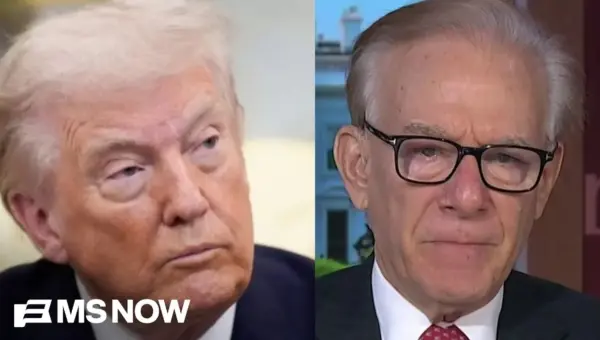
Trump Weighs War Crime Threat Over Iran Strait
President Trump is reportedly willing to accept the continued closure of the Strait of Hormuz, despite earlier threats, signaling a shift in U.S. demands. This comes as gas prices surge and markets react negatively to the ongoing conflict. Conflicting messages from within the administration fuel confusion about the war's objectives and exit strategy.