Trump Crushes Iran in 38 Days, Democrats Miss Wins
President Trump's "Operation Epic Fury" reportedly dismantled Iran's military capabilities in 38 days, leading to a critical two-week window for peace negotiations. Commentators criticize Democrats for a "defeatist" stance and opposition to the President's successful foreign policy actions. The outcome could stabilize energy prices and reshape regional power dynamics.

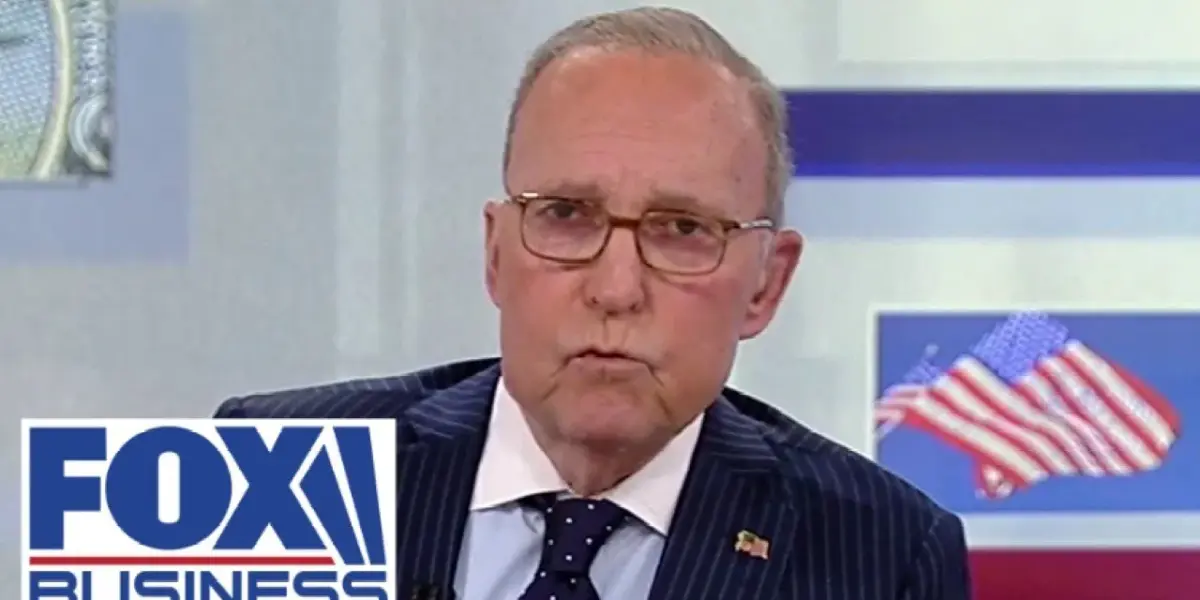
Trump’s “Operation Epic Fury” Dismantles Iran’s Military in 38 Days
President Trump has achieved a swift and decisive victory against Iran, dubbed “Operation Epic Fury,” dismantling key military capabilities in just 38 days. This swift action stands in stark contrast to the approach of many Democrats, who are criticized for being “defeatists” and consistently finding themselves on the losing side of major public issues.
The operation reportedly targeted Iran’s navy, air force, air defenses, and industrial base. This significant military action has severely weakened Iran’s capabilities and put immense pressure on the nation to agree to a peace deal. The success of “Operation Epic Fury” highlights President Trump’s willingness to use decisive action in foreign policy, a strategy that observers note has effectively reshaped the geopolitical landscape.
Democrats Criticized for “Defeatist” Stance
Larry Kudlow, a commentator on the political and economic scene, points out a recurring theme among Democrats: a lack of understanding of how to achieve victory. He suggests this stems from a defeatist mindset, which leads them to oppose popular policies. These include issues such as open borders, defending individuals who have committed crimes, and increasing taxes. Kudlow argues that Democrats are often on the wrong side of what he describes as 80-to-20 issues, meaning issues where public opinion heavily favors one side.
Furthermore, Kudlow criticizes Democrats for their response to President Trump’s success in Iran. Instead of acknowledging the victory, he states they are “bad mouthing” the President and attempting to limit his foreign policy powers. This occurs, he notes, at a critical moment when American forces and patriots have achieved a significant win. This opposition, Kudlow suggests, demonstrates a pattern of Democrats being out of step with national achievements and public sentiment.
Iran Faces a Critical Two-Week Window for Peace
With Iran’s military infrastructure severely damaged, President Trump has presented a two-week window for the nation to negotiate a favorable peace deal. The United States is demanding that Iran turn over its enriched uranium and cease its missile programs. Failure to comply, or continued aggression against allies in the Gulf, could lead to further military action.
The situation has even prompted diplomatic pressure from Iran’s ally, China. China, which relies on Iranian oil, is reportedly urging Iran to reach an agreement. This international pressure, combined with Iran’s weakened state, creates a critical period for negotiations. Kudlow believes this is Iran’s last opportunity before its capabilities are completely dismantled.
Market Impact and Investor Considerations
What Investors Should Know
The swift resolution of military conflicts can have significant impacts on global markets, particularly in the energy sector. By opening the Strait of Hormuz, the operation aims to alleviate pressure on energy prices, which could benefit consumers and businesses reliant on stable fuel costs. Investors in energy companies may see fluctuations based on these developments. Additionally, a reduction in geopolitical tensions in the Middle East can foster greater economic stability, potentially boosting investor confidence and encouraging investment in various sectors.
The political commentary suggests a potential shift in foreign policy approaches, with an emphasis on decisive action. Investors often monitor such shifts as they can influence international trade, economic sanctions, and global supply chains. The success of President Trump’s strategy in Iran could signal a trend toward more assertive foreign policy, which may create both opportunities and risks for businesses operating on an international scale. Understanding these geopolitical dynamics is crucial for long-term investment planning.
Long-Term Implications
The long-term implications of this victory could include a reconfigured balance of power in the Middle East and a reshaping of international relations. For investors, this might mean new trade opportunities or potential disruptions depending on how global alliances and economic policies evolve. The dismantling of Iran’s military capabilities could lead to a more stable region, which is generally positive for economic growth and investment. However, the effectiveness of any resulting peace deal and the subsequent actions of all parties involved will be critical factors to watch.
The narrative also suggests a potential advantage for President Trump’s political strategy, which relies on bold actions and challenging conventional wisdom. This could influence domestic economic policies and market sentiment. Investors will need to stay informed about how these geopolitical and political developments translate into economic outcomes, such as inflation, interest rates, and overall market performance.
Source: Larry Kudlow: Democrats don't know how to win (YouTube)

Related Articles

Trump’s Inner Circle Calls for Removal Amidst Chaotic Statements
Prominent Trump allies like Candace Owens and Marjorie Taylor Greene are publicly questioning Donald Trump's mental fitness and calling for the 25th Amendment to be invoked. This follows Trump's own attacks on these figures, creating a significant rift within his base. Concerns are mounting over erratic statements and decision-making, particularly regarding foreign policy, leading to calls for his immediate medical evaluation.

Greene Demands GOP Burning; Trump Followers in Cult?
Marjorie Taylor Greene recently called for the Republican Party to be 'burned to the ground' and described Donald Trump's MAGA followers as being part of a 'cult.' These strong statements highlight deep divisions within the GOP and raise questions about the nature of political loyalty and party identity.
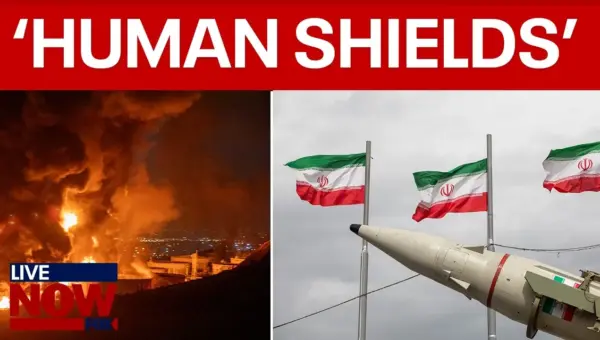
Iranians Face Dilemma: “Human Shields” Amidst Peace Talks
Iranian citizens are reportedly being ordered to serve as "human shields" around critical infrastructure as the U.S. prepares for high-stakes peace talks. Journalist Alina Shirazi highlighted the lack of clear safety guidance for ordinary Iranians, who feel caught between potential military strikes and government directives. The situation unfolds as top U.S. officials head to negotiations aimed at de-escalating tensions.