Trump Criticizes NATO, Allies Face Defense Spending Demands
Former President Donald Trump has renewed his criticisms of NATO, questioning the alliance's effectiveness and the commitment of its members. His remarks come amid ongoing debates about defense spending and the future of collective security, with significant bipartisan support for NATO existing within the U.S. Congress.

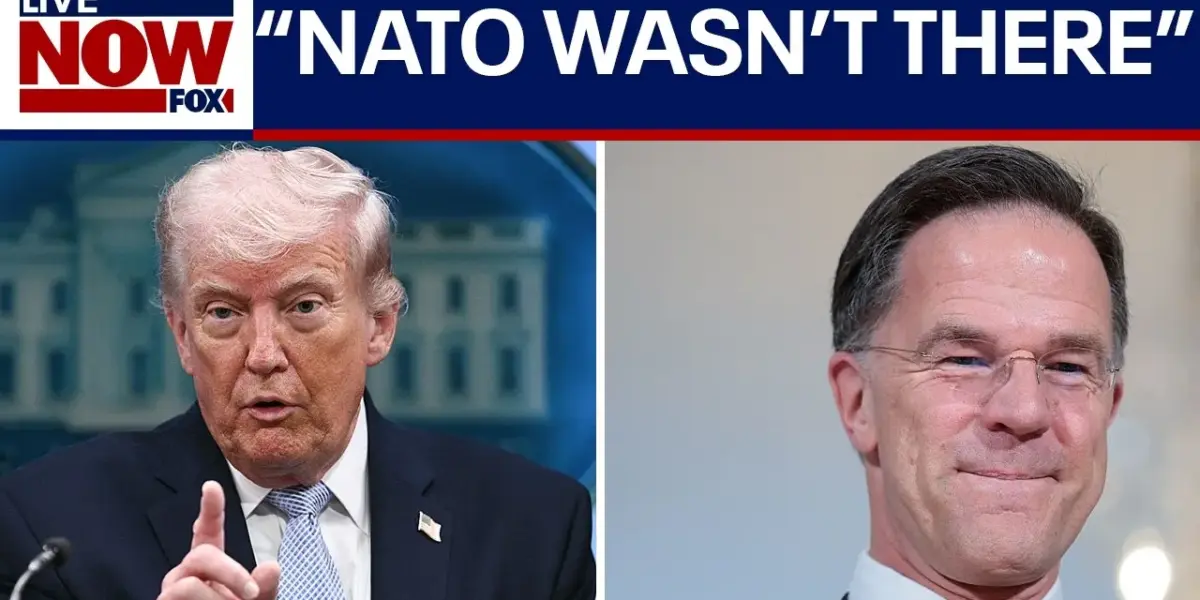
Trump Questions NATO’s Value, Allies’ Contributions
Former President Donald Trump has publicly voiced strong dissatisfaction with the North Atlantic Treaty Organization (NATO), stating that the alliance and its members “were tested and they failed.” These remarks came ahead of a meeting with NATO Secretary General Jens Stoltenberg, highlighting ongoing tensions between the former president and the long-standing military alliance.
Trump’s criticisms echo past sentiments, where he has frequently questioned the commitment and financial contributions of other member nations. He specifically pointed to instances where he felt allies did not adequately support the United States, referencing past events and suggesting a lack of reliability.
Understanding NATO’s Core Obligation: Article Five
NATO operates under Article Five of its charter, a critical component that obligates member nations to defend each other if one is attacked by an outside entity. This means an attack on one member is considered an attack on all, triggering a collective defense response.
The only time Article Five has been invoked was after the September 11, 2001 attacks on the United States. In that instance, NATO allies came together to support the U.S. in Afghanistan, targeting al-Qaeda and the Taliban, who were accused of harboring Osama bin Laden.
Bipartisan Support for NATO Amidst Trump’s Doubts
Despite Trump’s critical stance, there appears to be significant bipartisan support within the United States Congress for maintaining NATO membership. A provision in the 2024 National Defense Authorization Act, co-authored by then-Senator Marco Rubio (R-FL) and Senator Tim Kaine (D-VA), aimed to require a supermajority vote in the Senate before a president could withdraw the U.S. from NATO.
This measure passed with the support of all Democrats and a substantial number of Republicans, indicating a congressional consensus on the importance of the alliance. However, questions remain about the constitutional authority of such a provision, with some arguing that presidential powers under Article Two of the Constitution allow for unilateral withdrawal from treaties.
Potential Consequences of U.S. Withdrawal from NATO
If the United States were to leave NATO, it would represent a significant blow to the alliance. The U.S. contributes a substantial portion of NATO’s defense spending and administrative costs. The departure of such a key member would leave 31 other nations in the alliance, potentially weakening its collective security capabilities.
NATO was originally formed after World War II to counter the Soviet Union. Its core purpose has always been collective security, aiming to deter external aggression and prevent wars among member states. Proponents argue that the alliance has been instrumental in maintaining peace and stability in Europe and North America.
Arguments For and Against U.S. Membership
Opponents of NATO membership, often referred to as paleoconservatives, question why the U.S. should commit its resources and potentially its military to defend smaller member nations. They argue that the U.S. should focus on its own interests and avoid entanglement in conflicts that do not directly threaten American security.
Conversely, supporters emphasize the security benefits the U.S. has reaped from the alliance. They point to the fact that the U.S. has not been attacked by a foreign power since World War II, suggesting that NATO’s collective security umbrella plays a crucial role in deterring potential adversaries.
NATO Secretary General’s Approach and Future Outlook
NATO Secretary General Jens Stoltenberg is known for his efforts to engage with Trump and has been described as someone who Trump has some affection for. Stoltenberg is expected to highlight the benefits of the alliance, likely referencing the post-9/11 invocation of Article Five and the historical importance of collective security in maintaining global peace.
The ongoing conflict in the Middle East adds another layer of complexity to NATO’s role. While the U.S. may seek broader support for its actions, many European allies reportedly do not view Iran as an imminent threat in the same way the Trump administration does, potentially leading to differing approaches and continued friction within the alliance.
Source: President Trump repeats complaints about NATO (YouTube)

Related Articles


Trump’s Wild Rants Expose a Presidency Adrift
Donald Trump's recent 'batshit crazy' outbursts, attacking former allies and reacting erratically to the Iran crisis, signal a leader adrift. Professor Scott Lucas argues this isn't diplomacy but desperate shouting, as geopolitical tensions escalate and traditional allies seek new paths.
Senator Slams Jeffries’ Iran Stance, Cites Nuclear Threat
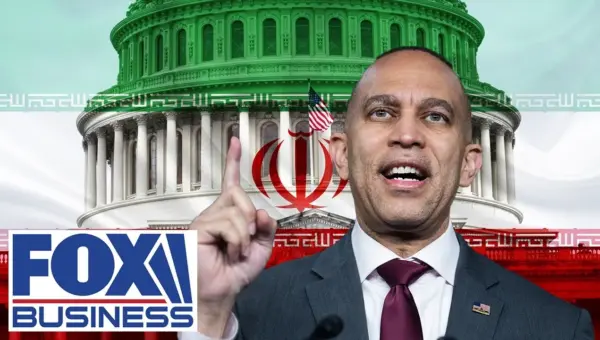
Senator Rick Scott sharply criticized House Democratic Leader Hakeem Jeffries over his stance on Iran, calling him an "idiot" for seeking to limit the President's authority. Scott highlighted the threat of Iran developing nuclear weapons. The discussion also covered President Trump's stance on NATO and the ongoing DHS funding shutdown.

Reform Party Faces Challenge in Shedding ‘Trump Party’ Image
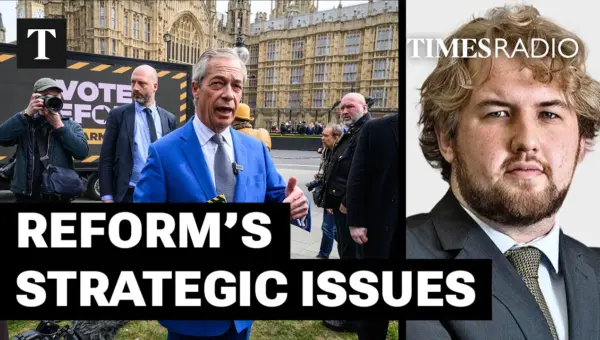
The UK's Reform Party faces pressure to distance itself from Donald Trump to broaden its appeal for government power. Meanwhile, international peace talks regarding the Iran conflict are hampered by deep divisions, with a negotiator describing the gaps as an "abyss." The geopolitical landscape is shifting, prompting discussions about alliances and leadership styles.