Trump Courts War: Iran Conflict Looms as US Weighs Troop Deployment
President Trump is reportedly considering deploying US troops to Iran, a move that could ignite a major conflict. This potential escalation highlights a delicate political balancing act for the president, who faces a base wary of foreign wars. The strategy appears to involve leveraging allied naval power to secure shipping lanes, thereby avoiding direct American ground involvement.


Trump Courts War: Iran Conflict Looms as US Weighs Troop Deployment
Recent statements from Donald Trump suggest a serious consideration of sending American troops into Iran. This possibility raises significant questions about US foreign policy and the president’s approach to international conflict. Allies and critics alike are trying to understand the president’s true intentions and whether he seeks genuine cooperation or plans unilateral action.
Sources close to the White House indicate that the US is facing a “very real possibility” of needing to deploy troops on the ground. This is not a decision to be taken lightly, as it carries immense political and human costs. While the US military, particularly its powerful navy, possesses significant capabilities, the question remains whether such a deployment is necessary or even strategically sound.
The Political Tightrope
President Trump’s allies suggest that deploying troops could be a swift operation. However, this move represents a major political challenge for the president. A substantial portion of his political base strongly opposes further involvement in Middle Eastern conflicts. For these voters, “boots on the ground” in the region is a clear boundary that should not be crossed.
The recent movement of US Marines towards the region adds another layer of complexity. The administration appears to be debating whether a limited deployment or a specific mission might not count as full-scale “boots on the ground.” This semantic argument highlights the administration’s effort to navigate the political sensitivities surrounding troop deployment.
Seeking Allied Support to Avoid Escalation
The pressure on allies to get involved seems to be a strategic move by the president. The goal appears to be avoiding a situation where the US is forced to send its own soldiers into a direct conflict. Trump seems to be hoping that a combined effort, involving the navies of other countries, could help secure vital shipping lanes. This would involve escorting oil tankers safely through potentially dangerous waters, thus negating the need for American ground forces.
Historical Context and Implications
The specter of military intervention in the Middle East is a recurring theme in US foreign policy. Decades of engagement in the region have yielded mixed results, often leading to prolonged conflicts and significant loss of life. The decision to deploy troops, even in a limited capacity, can quickly escalate, drawing the US deeper into complex geopolitical disputes.
Past US involvements, such as the Iraq War, serve as stark reminders of the unintended consequences of military action. These interventions, often justified by initial security concerns, have frequently led to regional instability and humanitarian crises. The current situation echoes some of these historical anxieties, prompting caution and critical evaluation of potential US actions.
Why This Matters
The potential deployment of US troops to Iran, or even the increased military presence in the region, has far-reaching consequences. It impacts not only the lives of service members and their families but also regional stability and global economic interests. The security of vital oil supplies, for instance, directly affects global markets and the cost of energy worldwide. A conflict could disrupt these supplies, leading to price spikes and economic uncertainty.
Furthermore, such actions can shape international relations. A unilateral US move might alienate allies, while a collaborative effort could strengthen partnerships. The president’s current strategy appears to be an attempt to balance domestic political pressures with international security needs. The success of this balancing act remains uncertain.
Trends and Future Outlook
The current geopolitical climate is tense, with various actors pursuing their own interests in the Middle East. The US faces the challenge of maintaining its influence and protecting its interests without getting entangled in costly and protracted conflicts. The emphasis on naval power and the potential for joint operations with allies represent a shift in strategy, aiming for deterrence and security without direct ground combat.
However, the situation is fluid. Miscalculations or unforeseen events could quickly alter the trajectory of events. The president’s reliance on allies, while a potentially stabilizing factor, also depends on their willingness and capacity to contribute. The ultimate outcome will likely depend on a complex interplay of diplomacy, military readiness, and political will, both domestically and internationally.
The coming weeks and months will be crucial in determining whether the US moves towards further military engagement or finds a diplomatic solution. The debate over troop deployment highlights the difficult choices facing leaders in navigating complex international crises. The world watches closely, hoping for a peaceful resolution that avoids the heavy toll of war.
Source: Trump is facing the ‘very real’ possibility of sending US troops to Iran (YouTube)

Related Articles
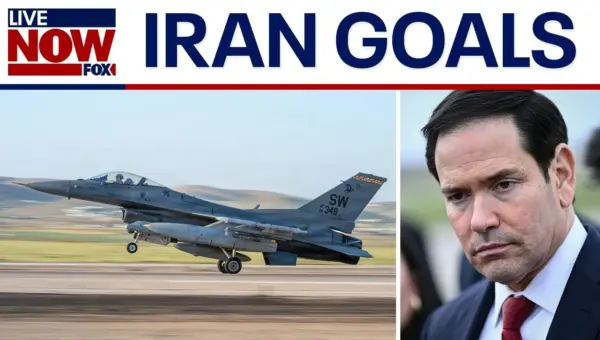
Rubio: US Can Achieve Iran War Goals Without Troops
Senator Marco Rubio outlined a strategy to counter Iran without deploying U.S. ground troops, focusing on weakening the regime and enhancing maritime security. He also criticized Cuba's economic system and expressed concerns about West Bank violence.
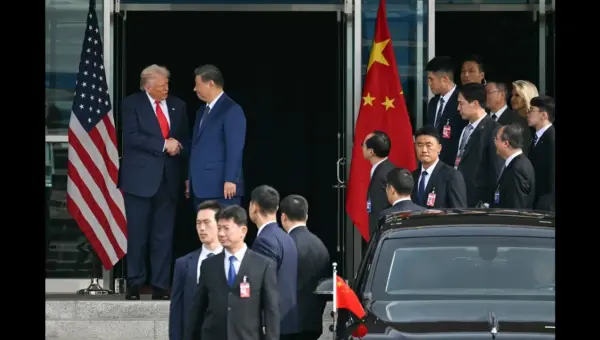
Trump’s “Walk Away” Tactic Signals Tougher Stance on China
Retired Air Force Brigadier General David Stillwell believes President Trump's strategy of being willing to walk away from negotiations puts pressure on China. This tactic, combined with US global actions and strengthened alliances, signals a more assertive American foreign policy.


Israel Escalates Iran Strikes, Warns of Wider War
Israel has launched significant strikes inside Iran following continued missile fire, warning of further escalation. The conflict risks wider regional instability and economic disruption, especially concerning the Strait of Hormuz.