Trump Courts Farmers, Promises Agricultural Boom
Donald Trump addressed farmers at the White House, promising agricultural prosperity through deregulation, tax cuts, and trade deals. He positioned himself as a champion against the policies of the Biden administration and highlighted past achievements like repealing the estate tax and easing equipment repair rules. The speech aimed to solidify support from the farming community.

Trump Courts Farmers, Promises Agricultural Boom
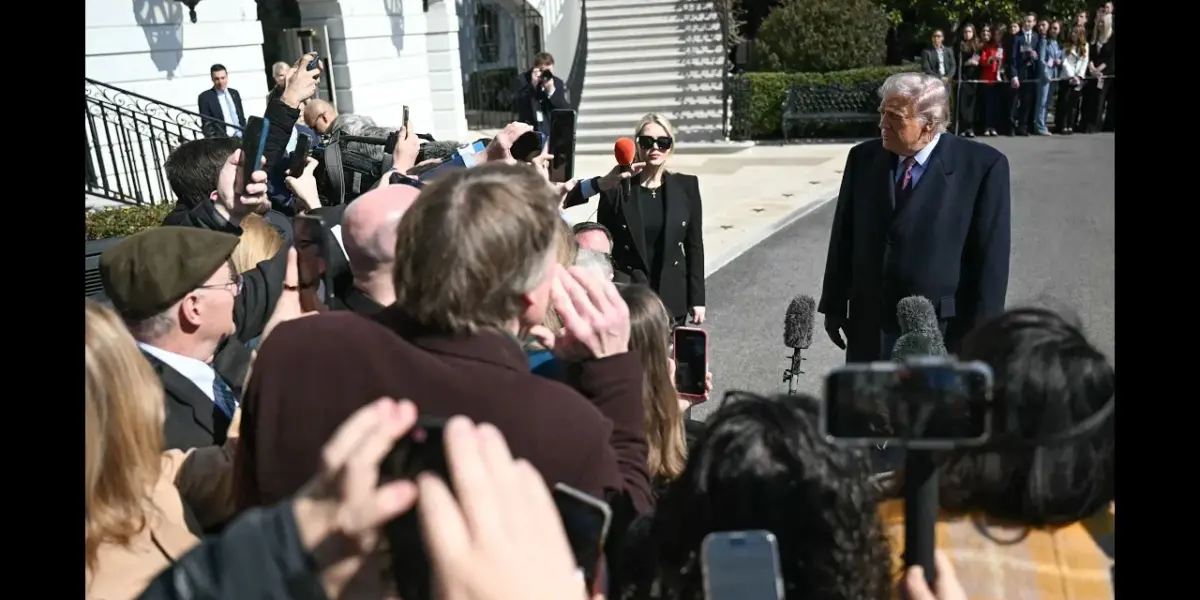
President Donald Trump recently addressed a large gathering of American farmers on the South Lawn of the White House. During his remarks, he highlighted his administration’s past actions and made promises aimed at securing the support of the agricultural community. Trump positioned himself as a champion for farmers, contrasting his policies with those he attributed to the Biden administration.
Key Policy Promises and Past Actions
Trump emphasized his administration’s efforts to support farmers. He pointed to a $12 billion aid package provided to farmers, suggesting that the Biden administration would not have offered such assistance. He also praised his Secretary of Agriculture, Sonny Perdue (though the transcript names Brooke Rollins, who was acting head of the White House Domestic Policy Council), and other officials for their work in supporting the agricultural sector.
A significant focus was placed on tax and regulation cuts. Trump claimed that his administration passed the largest tax cuts in American history, with 45% of filers receiving an average refund of nearly $5,000. He specifically mentioned making the small business tax deduction permanent, benefiting 98% of American farmers and ranchers. Furthermore, he highlighted bonus depreciation, allowing farmers to deduct 100% of the cost of new tractors and equipment in the first year, a change he contrasted with the previous multi-year deduction period.
Regulation reduction was another major theme. Trump stated that his administration enacted the biggest regulation reduction in history. He specifically mentioned repealing what he called the Biden EPA’s “ridiculous water restrictions” that he claimed prevented farmers from accessing water for their land. He also announced new guidelines to drastically ease diesel exhaust fluid (DEF) rules, predicting billions of dollars in savings for farmers and consumers.
The elimination of the estate tax, or “death tax,” was presented as a critical achievement. Trump argued that this change would allow family farms to remain within families, preventing the loss of farms due to hefty tax bills upon the owner’s death. He shared anecdotes about farmers facing financial ruin and even suicide due to the burden of the estate tax, framing his policy as a life-saving measure.
Trade and Market Access
Trump touted his administration’s success in negotiating trade deals. He specifically mentioned securing a deal for American soybeans to be shipped to China, increasing the volume from $20 billion to $40 billion. He also claimed to have expanded markets for American beef, dairy products, and biofuels across Asia, Europe, and South America.
He asserted that American farmers do not want handouts but rather a “level playing field.” He positioned his policies as providing this, and even more, by creating an advantageous environment for agricultural producers. He also mentioned using money from tariffs to provide farm relief, specifically referencing the $12 billion in aid for farmers hurt by unfair practices from other countries.
Addressing Farmer Concerns
Beyond broad policy, Trump addressed specific farmer grievances. He announced a new rule granting farmers the right to repair their own equipment, estimating it could save the typical farmer up to $30,000 on major repairs. He criticized the previous lack of this right, calling it unbelievable.
He also shared an anecdote about meeting with the chairman of John Deere, discussing the impact of environmental regulations on farm equipment. Trump suggested that older, less regulated equipment was often preferable to newer, more complex machinery burdened by environmental requirements that added cost and complexity without significant benefit. He indicated a desire to ease these regulations on tractors and trucks.
Historical Context and Political Framing
Trump frequently contrasted his policies with those of the Biden administration, which he characterized as detrimental to farmers. He blamed Democrats for “crippling” the agricultural industry with “brutal restrictions” and failing to negotiate trade deals. He urged farmers to vote for Republicans, stating that Democrats had voted against all the provisions he championed, including tax reductions and the estate tax repeal.
The event also featured a testimonial from Joel Vyre, a fourth-generation vegetable farmer from New Jersey. Vyre thanked President Trump for the opportunity to speak and for hosting the event. He expressed appreciation for Trump’s policies on trade and mentioned the importance of the Farm Bill, urging Congress to pass it. He also thanked the administration for “bridge payments” and other support.
Why This Matters
This speech is significant because it demonstrates a continued effort by Donald Trump to court a crucial voting bloc in American politics. Farmers have historically been influential in certain key states, and Trump’s address signals his intention to mobilize this group. His focus on economic relief, deregulation, and trade protection resonates with many in the agricultural sector who feel overlooked by traditional political establishments.
The speech also highlights a common political strategy: framing economic policies in terms of direct benefits and contrasting them sharply with an opposing party’s record. By detailing specific tax cuts, regulatory rollbacks, and trade achievements, Trump aims to create a clear narrative of success for his past term and a promise of continued support. The emphasis on the “death tax” and equipment repair rights taps into deeply felt concerns about generational wealth transfer and operational autonomy.
Implications, Trends, and Future Outlook
The agricultural sector is subject to global market fluctuations, environmental regulations, and trade policies. Trump’s platform suggests a future where deregulation and bilateral trade agreements take precedence. This approach could lead to increased domestic production and potentially higher commodity prices, but it also carries risks related to international trade disputes and environmental impacts.
The trend towards simplifying agricultural policy and reducing regulatory burdens appears to be a core component of Trump’s appeal. Whether this approach leads to sustained prosperity for farmers or unforeseen consequences remains a subject of debate. The political alignment of farmers, often seen as a swing demographic, will likely continue to be a key battleground in future elections.
The event also underscored the importance of the Farm Bill, a comprehensive piece of legislation that governs agricultural and food policy. The call for its swift passage, coupled with promises of additional relief, indicates that agricultural policy will remain a central theme. The success of these policies will ultimately be measured by their impact on the economic stability and long-term viability of American farms.
Source: LIVE: Trump Delivers Remarks to Farmers at South Lawn (YouTube)

Related Articles

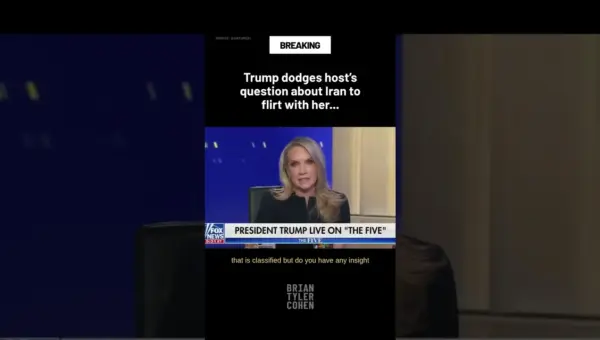
Trump Flirts With Host, Dodges Iran Human Rights Question
During an interview, Donald Trump deflected a question about the human rights situation in Iran. Instead of answering, he reminisced about a past lunch and complimented the interviewer's appearance. This exchange highlights a trend in political communication where personal interactions can overshadow serious global issues.
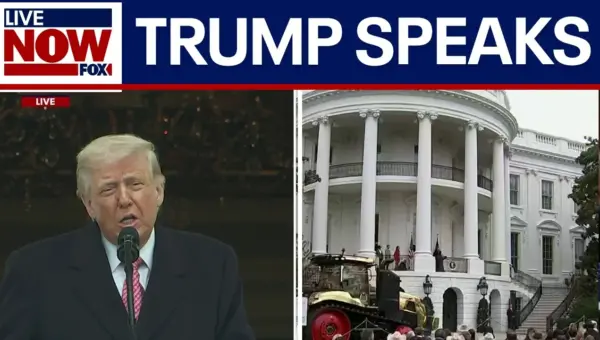
Trump Courts Farmers with Promises at White House
President Donald Trump hosted a large gathering of American farmers at the White House, highlighting his administration's support through aid packages, tax cuts, and deregulation. He pledged continued efforts to boost farm income, expand trade, and reduce equipment costs. Farmers shared testimonials, expressing gratitude for policies aimed at easing financial burdens and ensuring the future of agriculture.
Trump’s Fabricated Deals Fuel Doubts About His Leadership
Donald Trump's recent claims about negotiating custom markers and success with Iran have been met with strong denials from the involved parties. These fabrications raise serious questions about his leadership and ability to provide accurate information, impacting national security and economic stability.