Trump Coin Mars America’s 250th Birthday Celebration
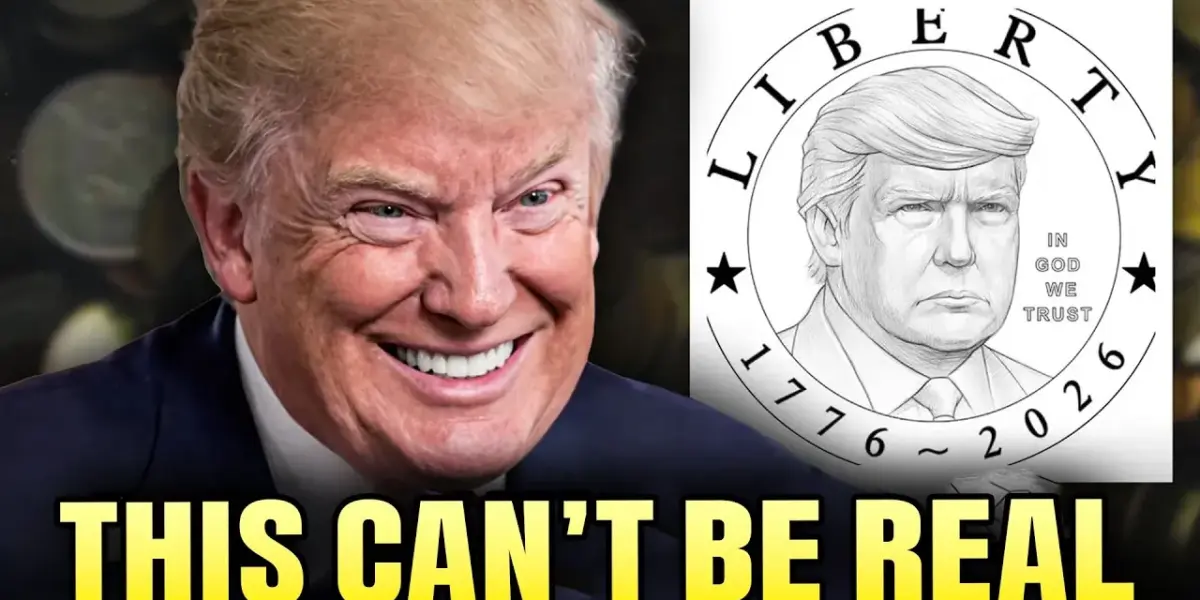
A controversial 24-karat gold coin featuring Donald Trump has been approved to commemorate America's 250th birthday. Critics argue this move, driven by Trump appointees on the Commission of Fine Arts, prioritizes personal ego over national history. The decision sparks debate on how significant anniversaries should be honored, with calls to boycott the coin to protest its personalization.

Trump Coin Mars America’s 250th Birthday Celebration
As the United States gears up for its 250th birthday this summer, a controversial commemorative coin featuring Donald Trump has been approved. This decision has sparked debate about how the nation should honor such a significant milestone. It stands in stark contrast to past celebrations, like the 200th anniversary, which featured more traditional symbols such as the drummer boy on special quarters.
A History of Commemorative Coins
Historically, major American anniversaries have been marked with coins that reflect shared national identity and historical significance. For the bicentennial in 1976, the U.S. Mint released special quarters depicting a colonial drummer boy, symbolizing the nation’s founding. These coins were put into circulation, allowing ordinary Americans to hold a piece of that historical moment. The idea was to celebrate a collective past, not a single individual.
The Commission of Fine Arts and Trump Appointees
The approval for the Trump 250th anniversary coin came from the U.S. Commission of Fine Arts. This commission is responsible for advising on the design of coins, medals, and monuments. Notably, the transcript points out that this commission was heavily populated with Trump appointees. Some observers questioned this at the time, wondering why Trump seemed focused on filling this specific body with loyalists. The recent coin approval suggests a clearer motive: to use the commission’s power for personal or political ends.
Details of the Controversial Coin
The approved coin is not just any memento; it’s a 24-karat gold piece to be produced by the U.S. Mint. The central feature, however, is what has drawn the most criticism: a portrait of Donald Trump. The transcript argues that this choice is a departure from honoring the nation’s founders, historical figures, or those who have advanced civil rights. Instead, it focuses solely on one individual, which the author suggests is driven by ego and a desire for personal legacy.
Criticism and Comparisons to Authoritarian Regimes
Critics of the coin’s design view it as a display of vanity and a sign of creeping authoritarianism. The transcript draws a parallel between this act and practices seen in authoritarian dictatorships, where leaders often place their image on national symbols to foster a cult of personality. The argument is that such a move is not about improving the country but about satisfying a personal demand for power, control, and adoration. It’s seen as a way to ensure Trump’s face is permanently etched onto a symbol of American history, regardless of national consensus.
A Call to Boycott
Given the controversy, there’s a strong call for Americans to boycott the purchase of this commemorative coin. The transcript urges potential buyers not to support what is described as a “stupid ass coin.” The hope is that if enough people refuse to buy it, the U.S. Mint will be left with a surplus of these gold coins. This would result in them being stored away, unsold, a testament to the public’s rejection of using national milestones for personal glorification. The act of not buying the coin is presented as a simple yet powerful way to protest this decision.
Why This Matters
This situation raises important questions about national identity and how historical moments should be commemorated. Should major anniversaries focus on collective achievements and shared history, or can they be used to honor specific, often controversial, political figures? The decision to feature Donald Trump on a coin celebrating America’s 250th birthday suggests a potential shift in how national symbols are used, moving from broad representation to more personalized tributes. This could set a precedent for future commemorations, potentially leading to more politically charged celebrations.
Implications, Trends, and Future Outlook
The controversy surrounding the Trump coin highlights a growing trend of political polarization extending into national symbols and historical markers. In an era where political divides are deep, decisions about national commemoration can become battlegrounds. If such personalized tributes become more common, future anniversaries might be marked by coins or other symbols that reflect the political leanings of the current administration rather than a unified national narrative. This could further alienate segments of the population and undermine the unifying purpose of national celebrations.
The future outlook depends on public reaction and potential policy changes. A strong public backlash, as advocated in the transcript, could deter future attempts to personalize national symbols. Alternatively, if such initiatives are seen as successful by those in power, we might witness more instances of politically motivated commemorations. The U.S. Mint and related commissions may face increased scrutiny, with a greater demand for transparency and broader public input in design decisions.
Historical Context and Background
The practice of minting commemorative coins in the United States dates back to the late 19th century. Initially, these coins often celebrated historical events, expositions, or prominent figures. However, the focus has generally been on figures or events with widespread historical consensus. For instance, coins have been issued to honor presidents, explorers, and significant national achievements. The 200th-anniversary quarters, with the drummer boy, represent a more recent example of a symbol chosen to evoke a shared sense of national origin. The current situation represents a sharp departure, focusing on a living, contemporary political figure whose legacy is still actively debated.
The approval process itself, involving the Commission of Fine Arts, is designed to ensure aesthetic quality and appropriateness. However, the transcript suggests that the commission’s composition, influenced by political appointments, may have prioritized loyalty over broader artistic or historical considerations. This raises questions about the independence and integrity of such advisory bodies when they become politicized.
Ultimately, the debate over the Trump 250th anniversary coin is more than just about a piece of gold. It’s about what we, as a nation, choose to value and remember as we mark significant historical moments. It forces a conversation about whether national symbols should unite us under a common history or become extensions of political campaigns and individual legacies.
Source: Disgusting Government Trump Coin Approved For America's 250th Birthday (YouTube)

Related Articles

Trump Admin Sparks Outrage With Slave Owner Statue Display
The Trump administration's decision to display a statue of a slave owner in a park honoring Martin Luther King Jr. has sparked national outrage. Critics decry the move as an insult and an attempt to sanitize history, while officials claim it's about acknowledging the nation's full past. The controversy highlights ongoing debates about historical representation and national identity.


Senator Tillis Condemns Governor Noem’s Dog Shooting Admission
Senator Thom Tillis strongly condemned South Dakota Governor Kristi Noem's admission of shooting and killing her dog, Cricket. Tillis called the act a "bad decision" and questioned the notion of teaching leadership through cruelty during a Senate hearing. Noem had stated the dog was aggressive and that the act was a "tough choice" to impart a leadership lesson.


Kansas Law Sparks Outrage by Revoking Transgender IDs
Kansas lawmakers have enacted a law retroactively invalidating IDs for approximately 1,700 transgender residents, sparking outrage and concerns over civil rights. The legislation also includes a controversial bathroom ban with citizen enforcement provisions.