Trump Clashes With MAGA Allies Over Iran War Stance
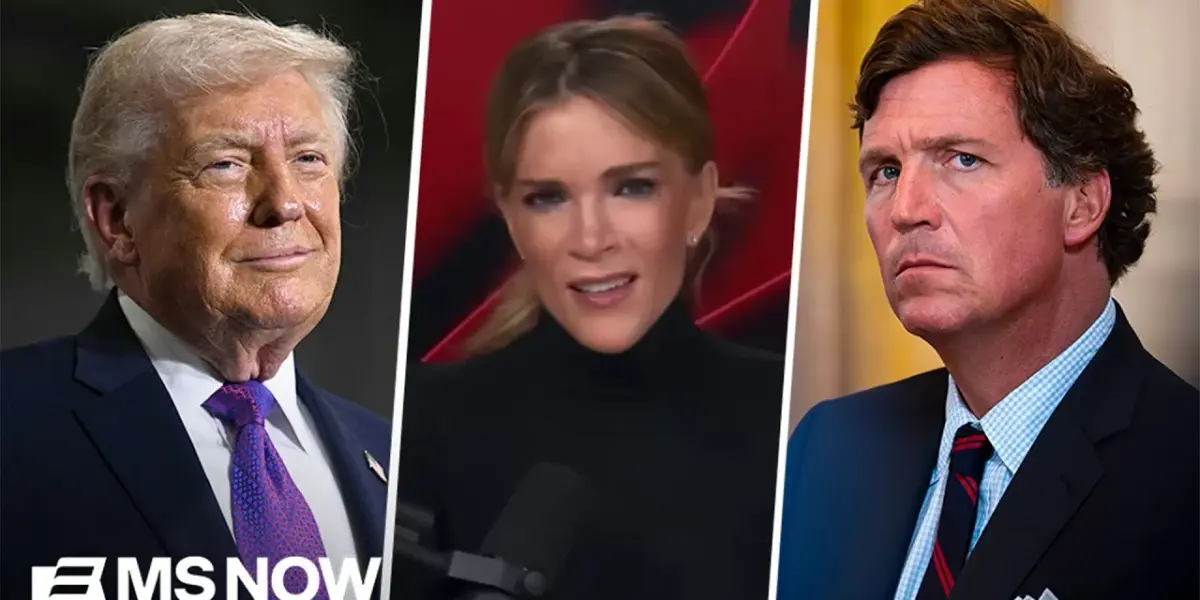
Donald Trump has publicly feuded with former allies like Tucker Carlson and Candace Owens over their criticism of his stance on the Iran war. The dispute has exposed deep divisions within the MAGA movement, with allies questioning Trump's judgment and mental state. Experts believe these internal conflicts could significantly impact the Republican party's future.

Trump Attacks Former Allies in Fiery Social Media Rant
Former President Donald Trump has launched a stinging public attack on several prominent conservative figures, including Tucker Carlson, Candace Owens, Marjorie Taylor Greene, and Alex Jones. The dispute appears to stem from their criticism of Trump’s recent Easter message, which included a controversial call for the end of Iranian civilization. Trump, in a lengthy post on his Truth Social platform, labeled his former supporters as “low IQ, nut jobs, losers, and troublemakers.” He asserted that they are not truly part of the MAGA movement, which he considers to be synonymous with himself.
Despite his attempt to downplay the significance of their criticism, Trump’s post was nearly 500 words long, indicating a strong reaction to the perceived betrayal by his allies. This public feud has created a significant rift within the MAGA movement, raising questions about its future direction and the loyalty of its base.
Allies Fire Back, Questioning Trump’s Mental State
The backlash from Trump’s former allies was swift and sharp. Candace Owens responded by posting a screenshot of Trump’s Truth Social message on X, formerly Twitter, with the provocative comment, “It may be time to put grandpa up in a home.” Alex Jones echoed similar sentiments, calling the war in Iran a “total disaster” and accusing Trump of suffering from dementia.
Marjorie Taylor Greene also took to X, stating that she had joined Owens, Carlson, and others to help Trump get elected, implying that he had changed while they remained consistent. This exchange highlights the deep divisions that have emerged, particularly concerning foreign policy and the ongoing conflict in Iran.
Deeper Divisions Emerge Within the MAGA Movement
Experts suggest that this conflict goes beyond a simple disagreement over foreign policy. Will Sommer, a senior reporter for The Bulwark and author of the Substack newsletter “To the Contrary,” noted that the MAGA influencers seem to be engaged in a “circular firing squad of accusations against each other.” This infighting reportedly began with rumors that the Justice Department might investigate MAGA influencers for being paid by foreign entities, such as Israel or Qatar. Although the investigation may not be real, it has fueled accusations and distrust among different factions within the movement.
Charlie Sykes, a former Republican strategist and political analyst, described the situation as the “end of a beautiful friendship.” He observed that while polls may still show Trump leading Carlson in popularity among the base, this ongoing criticism is creating “hesitancy” and “doubts.” Sykes also pointed out that Trump, despite being involved in a war, remains intensely focused on the fallout from these personal disputes, suggesting a potential disconnect between his priorities and the broader political landscape.
Gas Prices and Foreign Policy: A Shifting Conservative Narrative
The discussion also touched upon the shifting narratives within the Republican party, particularly regarding economic issues like gas prices. While Republicans previously criticized rising gas prices under the Biden administration, they now tend to dismiss similar price hikes as a necessary “cost of security.” This change in tone is evident in a montage of clips showing differing reactions to gas prices when Republicans were in opposition versus when they are in power.
The debate over the Iran war has exposed a potential ideological split. Tucker Carlson, for instance, is seen by some as taking a “principled stand” against foreign intervention, reflecting a shift in the Republican party from its traditionally hawkish stance to a more populist and dovish approach. This ideological divergence is creating cognitive dissonance for many conservatives who supported Trump’s promise to end foreign wars.
The Future of MAGA: Post-Trump Divisions
Dean Obeidallah, host of SiriusXM’s “The Dean Obeidallah Show,” expressed enjoyment at watching the MAGA movement’s internal conflicts, calling it a “civil war.” He believes that these disputes are not only entertaining but also significant for the future of the Republican party, especially in the lead-up to midterm elections.
Obeidallah also highlighted that Trump is overlooking criticism from other influential figures, such as comedians like Joe Rogan and Theo Von, who are not traditional MAGA allies but have a significant following among younger voters. These younger supporters, who may have been pro-Trump rather than strictly MAGA, are reportedly becoming “disgusted” by the current political climate. This alienation of potential future voters could have long-term consequences for the party’s ability to win elections.
J.D. Vance Caught in the Middle
Senator J.D. Vance’s position is also under scrutiny. While Vance has cultivated an image as an anti-interventionist, he now finds himself in a difficult situation, needing to support Donald Trump, his party’s likely nominee. His efforts to broker peace in Pakistan, while aligning with his anti-war stance, also place him in a delicate balancing act between his personal beliefs and his political obligations to Trump.
The article suggests that Vance may have to set aside his ideology to be practical in negotiations, a common challenge for politicians in such roles. The ongoing disagreements, even on the basic points of negotiation, further complicate the situation.
Will Trump Reel Them Back In?
Charlie Sykes raised the question of whether Trump can repeat his past success in bringing estranged allies back into the fold. While Trump has a history of reconciling with former critics, the current dynamics and shifting incentives within the conservative media landscape may make this more challenging. The emergence of figures like Tucker Carlson and Candace Owens as leading voices critical of Trump, coupled with the growing influence of podcasters and online personalities, suggests that the MAGA movement might be entering a “post-Trump era” of internal division.
The article concludes by noting that while Trump may enjoy the media attention generated by these conflicts, the underlying divisions could significantly harm his party’s prospects in future elections. The ability of these figures to maintain their stance or Trump’s capacity to mend these rifts remains a key point to watch.
Source: “End of a beautiful friendship”: Trump FEUDS with MAGA over Iran war (YouTube)

Related Articles

Congress Demands Trump’s Mental Exam Amidst Alarming Statements
Democrats in the House are demanding Donald Trump publicly release his cognitive exams and take a new one due to concerns about his mental health. Citing his increasingly erratic public statements and threats, they argue the public needs assurance of his fitness for office. This push brings historical context of presidential health scrutiny to the forefront.

Alex Jones Accuses Trump of Demonic Possession
Alex Jones has publicly stated that former President Donald Trump is "possessed by demonic influences" and acting like a "supervillain." This marks a significant break from Jones's previous strong support for Trump. The accusations also involve claims about Trump's wife and the Jeffrey Epstein case.

UK Offers Iran Negotiation Insight to Aid Trump’s Stalled Deal
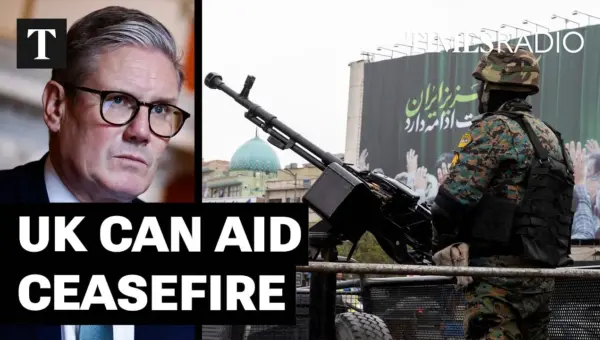
The UK is offering its diplomatic expertise to the US to help President Trump navigate complex negotiations with Iran. As talks loom amidst uncertainty and strained UK-US relations, London believes its experience can aid in achieving a settlement and reopening the Strait of Hormuz. Discussions also highlight the UK's defense readiness and its role in regional stability.