Trump Clashed With AI Firm Over Iran Attack Data
Reports indicate the US military used Anthropic's AI for Iran attacks, potentially violating company terms and Trump's objections. The controversy highlights AI's role in warfare and ethical debates.

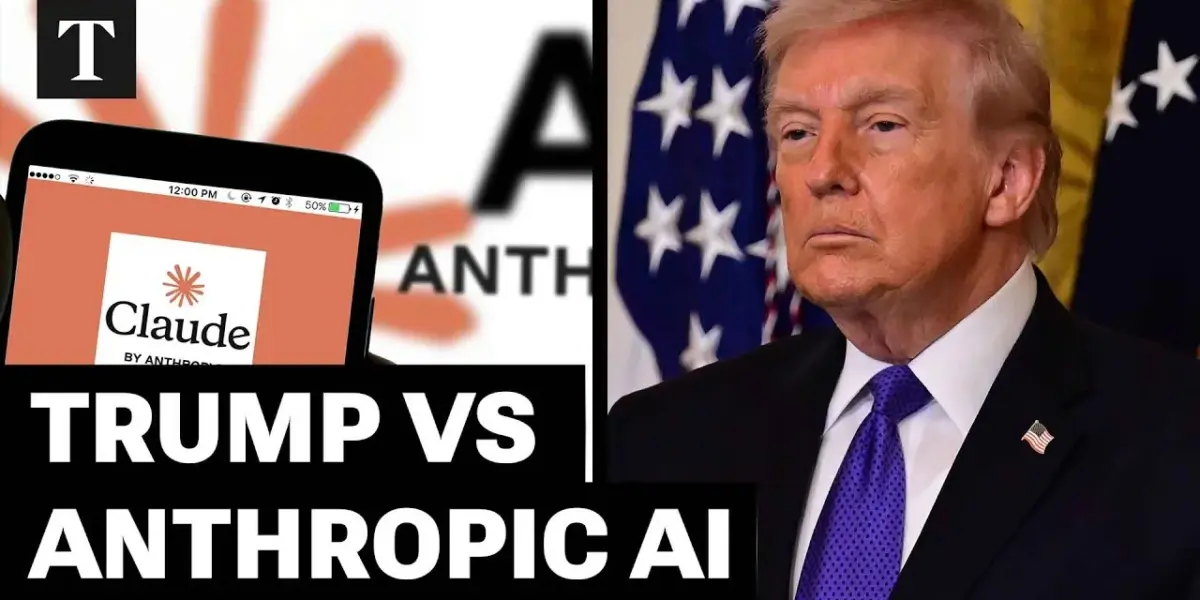
US Military Allegedly Used Anthropic AI for Iran Operation Amidst Trump’s Objections
In a complex intersection of artificial intelligence, geopolitical strategy, and political maneuvering, the United States military reportedly utilized AI technology developed by Anthropic to inform recent attacks on Iran. This deployment, however, allegedly occurred despite significant objections from former President Donald Trump and potentially in breach of Anthropic’s own usage agreements, raising questions about oversight and the ethical boundaries of AI in warfare.
Anthropic’s Stance: Red Lines on Weapons and Surveillance
Anthropic, the creator of the AI model Claude, which is described as a more sophisticated alternative to ChatGPT, had established clear guidelines for its use by governments. According to reports, late last year, Anthropic agreed to allow its technology for governmental use with two critical exceptions. Firstly, the AI would not be permitted for autonomous weapons purposes without human oversight. Secondly, it would not be used for surveillance or unauthorized monitoring of lawful American citizens.
These stipulations were presented as firm boundaries by Anthropic. However, Donald Trump allegedly sought to dismantle these restrictions, indicating a desire to leverage the AI for purposes that Anthropic deemed unacceptable. This stance led Anthropic to effectively refuse certain applications, including those that might violate their established ethical carve-outs.
US Government’s Deadline and Alleged Breach
The situation reportedly escalated when the White House, under Trump’s influence, set a deadline for Anthropic to comply with the desired terms. When Anthropic stood firm on its principles, the company was reportedly designated as persona non grata within the US government, with efforts underway to remove its technology from operations. This move coincided with the US launching a significant operation against Iran.
Despite the purported ban, reports suggest the US military proceeded with using Anthropic’s AI in the Iran operation, possibly violating the terms of the agreement. This action has led to ongoing efforts to fully remove the AI, with a six-month timeframe cited for its complete disentanglement from US government operations. The use of Claude in the Iran operation is not unprecedented; it was also reportedly used to assist in the arrest of Nicolas Maduro, an event that reportedly angered Trump.
Legal Ramifications and Competitive Landscape
The controversy is further complicated by a simultaneous announcement from OpenAI, a competitor to Anthropic, that it had signed a similar agreement with the White House. This development could have legal implications for Anthropic. As one analyst noted, a competitor’s willingness to comply with the White House’s demands could be used as a point of leverage in any potential legal case. The situation presents a complex scenario where Anthropic’s technology was deemed both vital for a major military operation and too dangerous for use within the United States.
“It is incredibly difficult to try and unpick this, which I guess is part and parcel of trying to discern what on earth Donald Trump is up to any given day of the week.”
– Chris Ducker Walker, Tech Analyst
Insider Betting and Prediction Markets: A Controversial Arena
Beyond the AI developments, the report also shed light on the controversial practice of insider betting on prediction markets, with substantial sums reportedly traded on platforms like Polymarket and Cali. These markets, which allow users to bet on future events, have become a subject of scrutiny due to allegations of trading based on non-public information. For instance, trades were reportedly made concerning the political status of individuals in Iran, leading to payouts that did not align with the actual outcomes, suggesting a potential disconnect between insider knowledge and market predictions.
The nature of these markets, where bets are matched and winnings are derived from losers, means that individuals with foreknowledge can potentially profit at the expense of others. The ethical implications are significant, particularly when bets involve sensitive geopolitical events or personal fates. While not strictly illegal in some jurisdictions, the practice raises concerns about fairness and the exploitation of information asymmetry.
Mobile World Congress Showcases Future Tech
The discussion also touched upon innovations unveiled at the Mobile World Congress (MWC) in Barcelona. Among the highlights was the “Legion Go Fold,” a concept foldable gaming handheld with an expansive 11-inch flexible display that can unfurl to a massive 12 inches, blending the functionalities of a laptop, gaming console, and potentially a next-generation mobile device.
Another intriguing gadget presented was a camera by Honor designed to move autonomously alongside the user while recording videos, particularly for social media platforms like TikTok. Equipped with a gimbal for stability, this camera can follow dance moves and even sync its movements to music, making it a potentially viral product.
The scale of MWC was emphasized, with eight large halls filled with global tech companies and attendees. A significant presence from China was noted, with Chinese companies, including Huawei, dominating a substantial portion of the exhibition space, underscoring the country’s immense influence in the global technology sector.
Looking Ahead
The intersection of AI, national security, and political influence remains a critical area to watch. The fallout from the alleged misuse of Anthropic’s AI in military operations and the ongoing dispute with the US government could set precedents for AI governance in defense. Furthermore, the scrutiny of prediction markets and the ethical considerations surrounding insider trading will likely intensify. As technological innovation continues at a rapid pace, as evidenced by MWC, the need for robust regulatory frameworks and ethical guidelines becomes increasingly paramount.
Source: The AI Model Which Informed The Attacks On Iran That Trump Tried To Remove (YouTube)

Related Articles
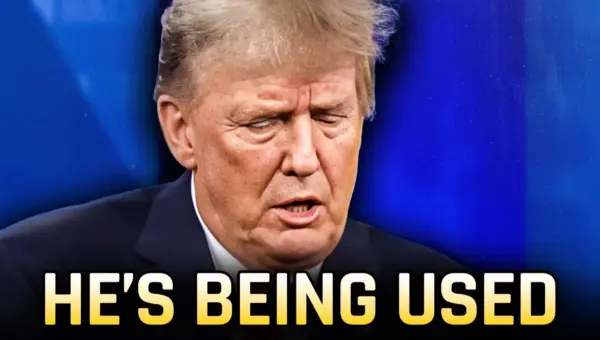
Trump: A Pawn in Middle East Power Plays?
A report suggests Donald Trump's administration was pushed into military action against Iran by Israeli and Saudi leaders. This analysis questions the autonomy of U.S. foreign policy and its susceptibility to external influence, painting a grim picture of potential long-term consequences.

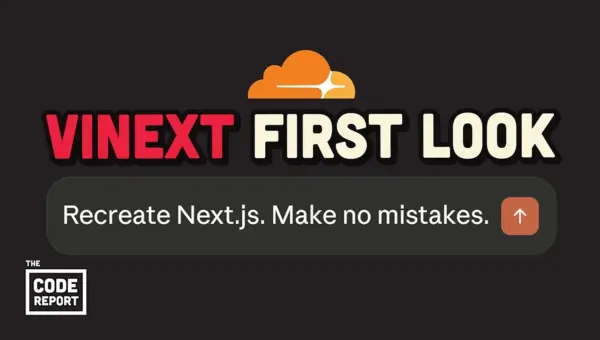
Cloudflare Rebuilds Next.js API with V-Next
Cloudflare has launched V-Next, a complete re-implementation of the Next.js API built on Vite. This project aims to break free from Vercel's ecosystem, offering greater deployment flexibility and leveraging Vite's performance advantages. The rapid development, aided by AI, has sparked debate and highlighted the evolving landscape of web development frameworks.


Retired General Slams Trump’s Iran Policy as ‘Political Mess’
Retired General Barry McCaffrey has condemned President Trump's approach to Iran as a "political mess," citing a lack of congressional authorization and diplomatic engagement. While commending the effectiveness of recent military strikes, McCaffrey emphasized the critical need for de-escalation and a return to nuclear talks.