Trump Claims Victory in Iran, Nears ‘Decisive Phase’
President Trump is set to address the nation on the Iran conflict, with the White House signaling a decisive phase. The administration claims its primary goal of preventing Iran from obtaining nuclear weapons has been achieved, while military operations aim to conclude soon.

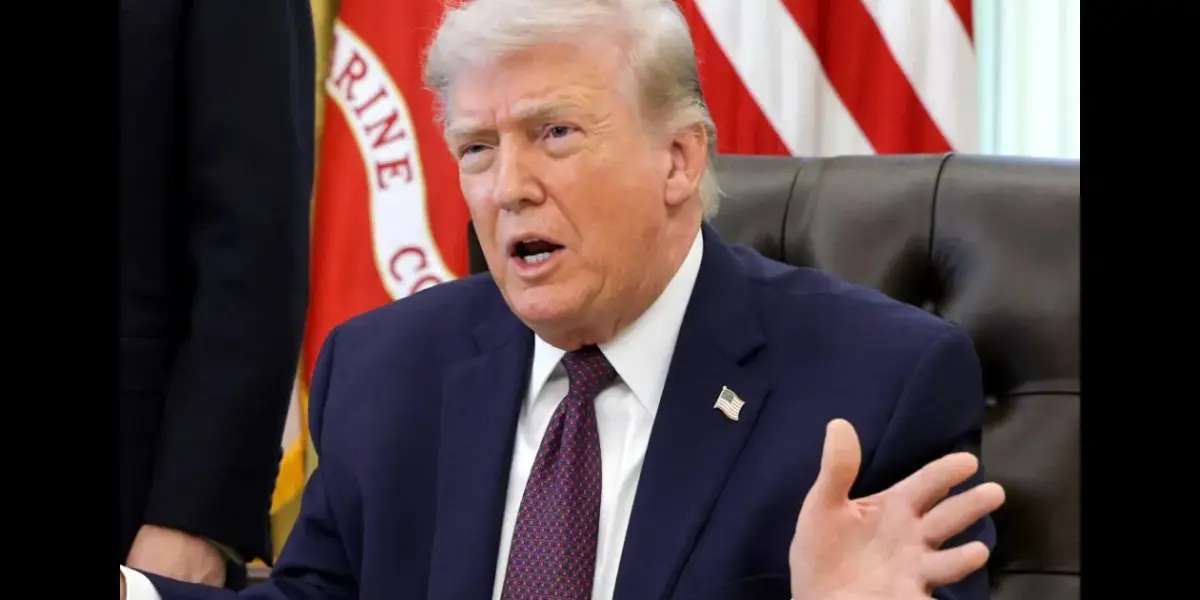
Trump Nears End of Iran Operations, Cites Nuclear Goal Achieved
President Trump is set to address the nation with a significant update on the ongoing conflict in Iran. The White House suggests the military campaign, dubbed Operation Epic Fury, is nearing a crucial turning point. This address comes as the administration claims a major goal has been met: preventing Iran from obtaining nuclear weapons.
Nuclear Goal Achieved, Focus Shifts to ‘Finishing the Job’
President Trump stated that the objective of preventing Iran from acquiring nuclear weapons has been achieved. “We have had regime change. Now, regime change was not one of the things I had as a goal. I had one goal. They will have no nuclear weapon. And that goal has been attained,” he remarked. The focus now, according to the President, is on concluding the remaining military operations. He indicated that combat operations could be completed within a short timeframe, potentially two to three weeks. This would follow a campaign that has seen U.S. forces strike over 11,000 targets since its inception.
U.S. Claims Significant Degradation of Iranian Capabilities
The Trump administration asserts that Operation Epic Fury has substantially weakened Iran’s military capabilities. New intelligence suggests a decline in missile and drone attacks originating from Iran. Secretary of State Marco Rubio echoed this sentiment, telling Fox News that the primary objectives of the operation are close to being realized. “We can see the finish line. It’s not today, it’s not tomorrow, but it is coming,” Rubio explained. He added that the military is achieving its mission goals with “extraordinary efficiency.”
Operation Epic Fury’s Critical Timing
Rubio highlighted the importance of the timing for Operation Epic Fury. He explained that Iran was actively working to build a defensive shield of missiles and drones, aiming to make itself impervious to attack. “They were well on their way,” Rubio stated. He emphasized the critical need to prevent a nation led by radical Shia clerics, described as having an “apocalyptic vision,” from possessing nuclear weapons. Protecting such a program was also deemed unacceptable.
Diplomatic Channels Remain Open Amidst Military Action
Despite the ongoing military operations, diplomatic efforts are continuing. U.S. and Iranian officials are exchanging messages through intermediaries. This is happening even though Iran has publicly denied engaging in direct talks with the United States. President Trump has also issued a warning, indicating that Iran’s energy infrastructure could become a target if a diplomatic agreement is not reached.
Negotiations Must Be Genuine, Not Delay Tactics
The administration has made it clear that it will not tolerate prolonged negotiations used as a stalling tactic. “What President Trump is not going to allow is he’s not going to allow fake negotiations to be used as a delay tactic to buy more time, to buy themselves space,” a representative stated. The President’s address was scheduled for 9:00 p.m. Eastern time, aiming to provide the public with a comprehensive update on the situation.
Why This Matters
This situation highlights the complex interplay between military action and diplomatic maneuvering on the international stage. The administration’s claim of achieving its primary goal – preventing nuclear proliferation – is a significant development. However, the continued military engagement and the threat against energy infrastructure underscore the volatile nature of the conflict. The public’s understanding of the progress and future implications of U.S. policy toward Iran is crucial, especially given the potential for both escalation and de-escalation.
Implications, Trends, and Future Outlook
The stated success in preventing Iran from obtaining nuclear weapons, if fully verifiable, could reshape regional security dynamics. It might embolden similar efforts elsewhere, setting a precedent for how major powers engage with nations pursuing sensitive technologies. However, the reliance on military strikes and the ongoing diplomatic stalemate suggest a challenging path ahead. The trend of using indirect communication channels in high-stakes international relations is likely to continue. The future outlook depends heavily on Iran’s response to these pressures and the U.S.’s sustained commitment to its stated objectives, balancing deterrence with the potential for further conflict or eventual negotiation.
Historical Context
Tensions between the United States and Iran have a long and complicated history, dating back to the Iranian Revolution in 1979. U.S. policy has often focused on preventing Iran from developing nuclear weapons, a goal that has seen periods of both intense diplomatic pressure and military posturing. Previous administrations have also pursued strategies involving sanctions, negotiations, and military deterrence. Operation Epic Fury appears to be a continuation and intensification of these long-standing efforts, framed within a narrative of achieving decisive victory on a key front.
Source: Trump to Address the Nation With 'Important Update’ on Iran War: White House (YouTube)

Related Articles

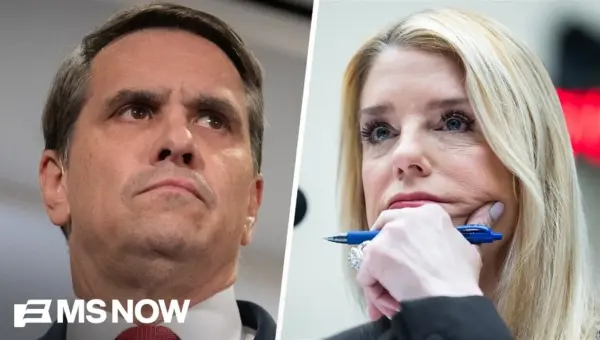
Attorney: Bondi’s Loyalty Was to Trump, Not Victims
An attorney for Jeffrey Epstein survivors criticizes a recently ousted official, alleging her loyalty was to Donald Trump, not the victims or the public. Spencer Kuvin calls for testimony under oath regarding federal law violations and unanswered questions about surveillance footage from Epstein's homes. Concerns are also raised about the interim replacement's past dealings with Ghislaine Maxwell.

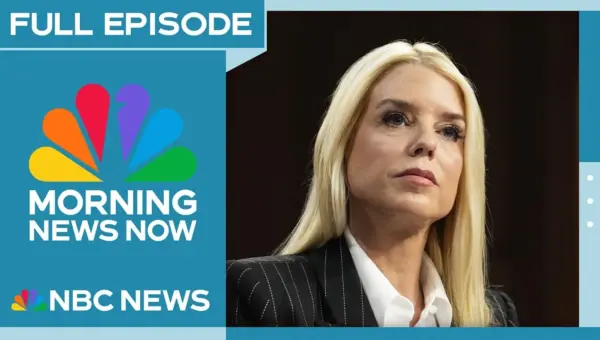
Trump Fires AG Bondi, Iran Tensions Rise, Artemis II Heads to Moon
Attorney General Pam Bondi has been fired by President Trump, with Deputy AG Todd Blanche stepping in as acting AG. Amidst rising oil prices and escalating tensions, the U.S. warns Iran as the Artemis II mission successfully heads towards the Moon. Golfer Tiger Woods was arrested for DUI and is stepping away for treatment.
Trump Eyes State Control of Social Safety Nets
President Trump suggested states should fund social safety net programs like child care and Medicaid, rather than the federal government. Experts worry this shift would create healthcare access disparities. Separately, a new FDA-approved weight loss pill offers hope, especially for those avoiding needles.