Trump Claims Victory Amidst War: A Look at Reality
Donald Trump's claim of winning a war is challenged by the reality of devastation and unfulfilled military objectives. The discussion highlights the gap between political rhetoric and the actual outcomes of conflict, urging a closer look at the facts.

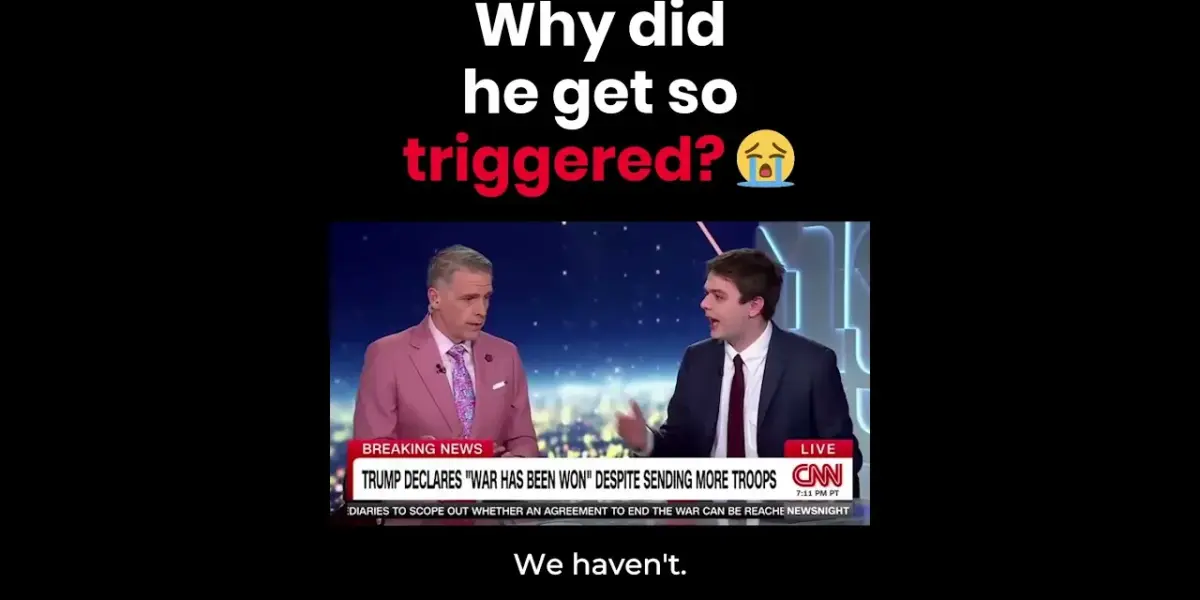
Trump Declares War Won, But Facts Tell a Different Story
Former President Donald Trump recently stated that a certain war has been won. This declaration comes at a time when many are questioning the actual progress and outcomes of ongoing conflicts. The claim itself is bold, but a closer look at the situation reveals a more complex and less triumphant reality. Let’s examine what Trump said and compare it to the observable facts on the ground.
The Claim of Victory
During a recent exchange, Trump was asked a simple yes or no question: did he agree that the war has been won? His response, as captured in the discussion, was that the situation is “devastated.” When pressed again on whether they had won, he affirmed, “We’ve won.” This direct assertion of victory stands in contrast to the grim reality of widespread destruction.
The interviewer pushed back, asking why, if the military capabilities of the opposing side were destroyed, straightforward moves could not be made. This question highlights a key point: if a war is truly won and the enemy’s military is crippled, the path forward should be clear and unimpeded. The fact that such moves are not easily achievable suggests that the conditions for victory may not have been met.
What Does Winning Actually Mean?
Winning a war typically implies achieving specific strategic objectives. This could include neutralizing an enemy’s ability to fight, securing territory, or forcing a favorable peace treaty. Trump’s interviewer touched on a possible definition of winning: destroying the enemy’s military capabilities and missile capabilities. However, even by this standard, the evidence suggests that these objectives have not been fully realized.
The ability of the opposing side to continue resisting, or to pose a continued threat, indicates that their military might has not been completely eradicated. If their capabilities were truly destroyed, the conflict would likely be over, or at least significantly different in its dynamics. The persistence of the conflict itself serves as a counterpoint to the idea of a decisive victory.
Historical Context of War Declarations
Throughout history, leaders have often declared victory even when the situation on the battlefield was not entirely settled. Sometimes, these declarations are made for political reasons, to boost morale, or to signal a shift in strategy. However, such pronouncements can also be misleading if they do not align with the facts.
For example, after prolonged and costly conflicts, leaders might declare an end to major hostilities, even if pockets of resistance remain. This is often a way to manage public perception and to begin the process of rebuilding or transitioning to a new phase. Yet, it is crucial for the public to understand the true state of affairs, rather than relying solely on triumphant rhetoric.
The Reality on the Ground
The interviewer’s point about “devastation” is critical. Wars, regardless of who claims victory, often leave behind immense destruction and human suffering. The focus on winning can sometimes overshadow the profound costs of conflict. If a war has indeed led to widespread devastation, as acknowledged in the conversation, then the notion of a clean victory becomes problematic.
True victory in a conflict should ideally lead to stability and a better future for all involved, not just the cessation of fighting amid ruins. The question of whether the opposing military’s capabilities are truly destroyed is a factual one that can be assessed through intelligence and observable actions. The continued ability of the adversary to engage in conflict suggests that these capabilities, while perhaps degraded, are far from eliminated.
Why This Matters
Understanding the reality of war outcomes is vital for informed public discourse and decision-making. When leaders declare victory, it shapes public opinion and influences policy. If these declarations are not grounded in fact, they can lead to a misinformed populace and misguided strategies moving forward.
It is important to distinguish between political rhetoric and the tangible results of military action. Acknowledging the complexities and costs of war, rather than simplifying them into a narrative of triumph, allows for a more honest assessment of progress and a clearer understanding of the path ahead. The interviewer’s persistent questioning serves as a reminder that simple answers are often insufficient when dealing with the harsh realities of war.
Implications and Future Outlook
The implications of such declarations extend beyond the immediate conflict. They can affect international relations, future military planning, and the perception of a nation’s strength and resolve. If a conflict is declared won prematurely or inaccurately, it might embolden adversaries or create false expectations among allies.
Moving forward, it is essential to maintain a critical perspective on claims of victory in any war. Verifying such claims against available evidence and expert analysis is crucial. The goal should be to achieve lasting peace and stability, which often requires a clear-eyed understanding of the situation, not just a declaration of having won.
Conclusion
While Donald Trump asserted that a war has been won, the conversation quickly moved to the reality of devastation and the unfulfilled conditions for a clear victory. The interviewer’s challenge highlights the discrepancy between a declared win and the observable facts on the ground. True victory is more than a statement; it is a demonstrable outcome that brings genuine resolution and stability, not just continued destruction.
Source: He Got So Mad 🤣 (YouTube)

Related Articles

Iran Strikes Spark Regional Fears; Diplomacy Urged
Explosions have been reported in Iran, with concerns rising over potential strikes on vital infrastructure. Qatar has warned of a regional "spiral out of control." Experts urge a diplomatic solution, fearing the blowback of military escalation on allies and global markets.
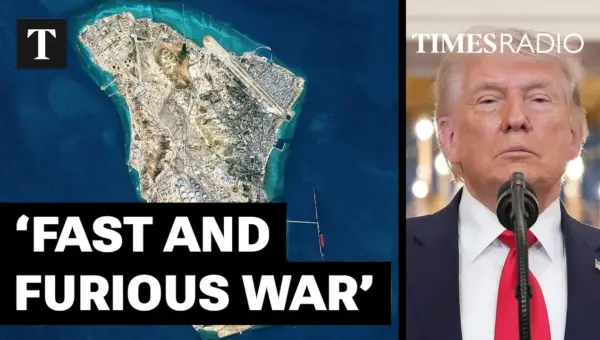
US Strikes Kharg Island, Escalating Iran Tensions
U.S. forces have reportedly struck military targets on Kharg Island, escalating tensions with Iran as a critical deadline approaches. While diplomatic channels remain open, the kinetic action signals a potential shift in strategy. President Trump faces domestic pressure amid the conflict.

Global Allies Reject US War Plans, Shun Trump’s Aggression
Key global allies are rejecting U.S. requests to use their bases and airspace for potential military actions against Iran, citing concerns over war crimes. This widespread defiance signals a major shift in international relations and a potential weakening of traditional alliances like NATO.