Trump Claims Regime Change in Iran; Experts Disagree
Former President Trump claims regime change has occurred in Iran by weakening previous leaders. However, analysts argue this has empowered the even more extreme Islamic Revolutionary Guard Corps, making the situation more complex than a simple reshuffle.

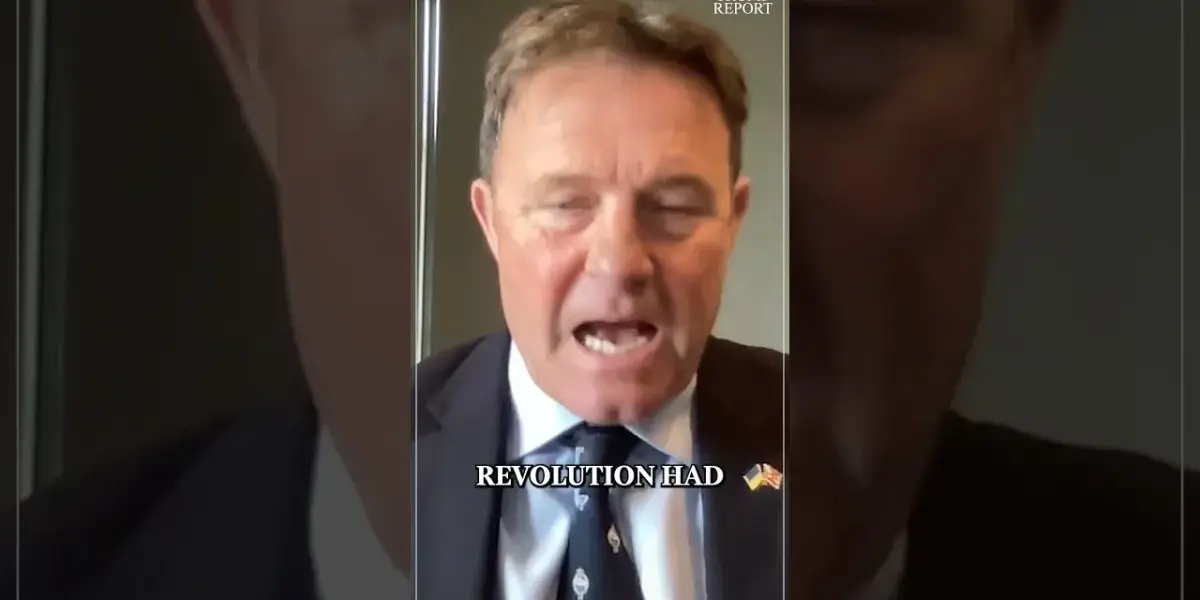
Trump’s Bold Claim: A New Era in Iran?
Former President Donald Trump recently stated that a regime change has already happened in Iran. He believes that by destroying one regime and weakening the next, the situation has fundamentally shifted. Trump sees the current group running Iran as entirely different from those who came before. He considers this a significant regime change, pointing to the elimination of past leaders and the emergence of a new set of figures.
Analyzing Trump’s Definition of Regime Change
However, this interpretation faces strong disagreement from many analysts. They argue that Trump’s view is too simple, a black-and-white perspective on a complex situation. The history of Iran’s revolution and the way clerics have held power for over 40 years suggests a deeper, more intricate system at play. Simply removing clerics does not necessarily mean a true change in how the country is governed.
The Rise of the Revolutionary Guard Corps
Instead of a new political system emerging, the actions described seem to have empowered a different, potentially harsher group. When the clerics are targeted, it appears to leave the Islamic Revolutionary Guard Corps (IRGC) in charge. The IRGC is essentially the military arm of Iran’s ruling system. These are the individuals now running the country, and some believe they are even more extreme than the former clerical leaders.
A Hydra, Not a Single Snake
While Trump’s administration may have successfully weakened or eliminated certain clerical figures, the replacement seems to be a military group with potentially fewer moral considerations. The IRGC is deeply embedded within Iran’s society and economy. They control many aspects of daily life across the country’s vast provinces. This makes them incredibly powerful and difficult to dislodge. Trying to change Iran’s leadership is like fighting a hydra, a mythical creature with many heads. Cutting off one head doesn’t defeat it; more simply grow back or take its place. The IRGC’s widespread influence means that removing one part of the system doesn’t lead to a complete overhaul.
Why This Matters
Understanding who is truly in power in Iran is crucial for international relations, security, and human rights. If the IRGC is indeed gaining more control, it could mean a more militarized and potentially aggressive stance from Iran on the global stage. It also raises concerns about the future of human rights within the country, as a military-led regime might be less tolerant of dissent than even the clerical one it replaced. The effectiveness of sanctions or diplomatic efforts also depends on accurately identifying the power centers within Iran.
Historical Context
Iran’s current political structure has roots in the 1979 Islamic Revolution, which overthrew the monarchy and established a theocracy. The clerics, led by Ayatollah Khomeini, consolidated power, creating a system where religious leaders hold ultimate authority. However, the IRGC was also established shortly after the revolution, intended as a counterforce to the regular army and to protect the revolution’s ideals. Over decades, the IRGC has grown significantly in both military and economic power, often operating in parallel to or even above civilian government institutions.
Implications and Future Outlook
The ongoing struggle for influence and control within Iran’s power structure remains complex. Trump’s assessment suggests a focus on the elimination of specific figures, while analysts point to the deeper institutional power of the IRGC. If the IRGC’s influence grows, we might see continued internal repression and a more assertive foreign policy. This could complicate efforts by other nations to engage with Iran, whether through diplomacy or sanctions. The situation highlights the challenges of predicting and influencing political change in countries with deeply entrenched and multifaceted power structures. It suggests that external actions might inadvertently strengthen certain elements within a regime, rather than leading to the desired democratic or liberal reforms.
Source: Did Trump achieve a regime change — or just a reshuffle inside a much harder system? (YouTube)

Related Articles
Macron Rejects Trump’s War Talk, Defends Diplomacy
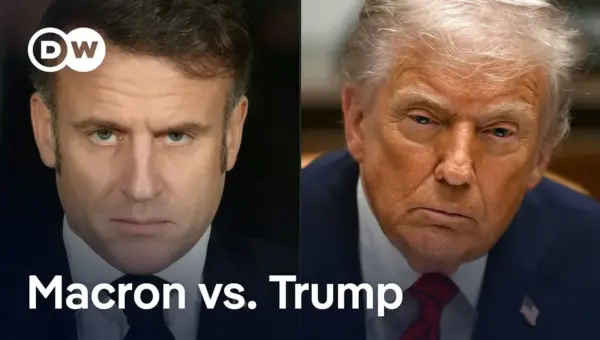
French President Emmanuel Macron has sharply criticized Donald Trump's stance on Iran and NATO, advocating for diplomacy over military action in the Strait of Hormuz. Macron warned that a forceful approach would be unrealistic and could escalate regional conflict. The comments highlight a growing divergence in worldviews and France's continued push for European strategic autonomy.


Israelis Mark Passover Amid War, Iran Strikes Cloud Holiday
Israelis commenced their Passover Seder amidst a significant escalation with Iran, facing air raid sirens and seeking shelter during the holiday feast. While the government cites national security, many citizens express war fatigue and anger over the ongoing conflict's disruption to normal life and traditions.

Could Trump Resign? Unpopular Policies Fuel Speculation
Amidst widespread public disapproval and economic woes, legal analysts are speculating about the possibility of President Trump resigning early. While rare in history, a growing number of people are placing bets on this outcome, reflecting public concern.