Trump Claims Putin Wants to ‘Help’ in Middle East
Former President Donald Trump reported a "very good call" with Russian President Vladimir Putin, discussing Ukraine and the Middle East. Trump stated Putin expressed a desire to be "helpful" in the Middle East, but Trump urged him to prioritize ending the Ukraine war.

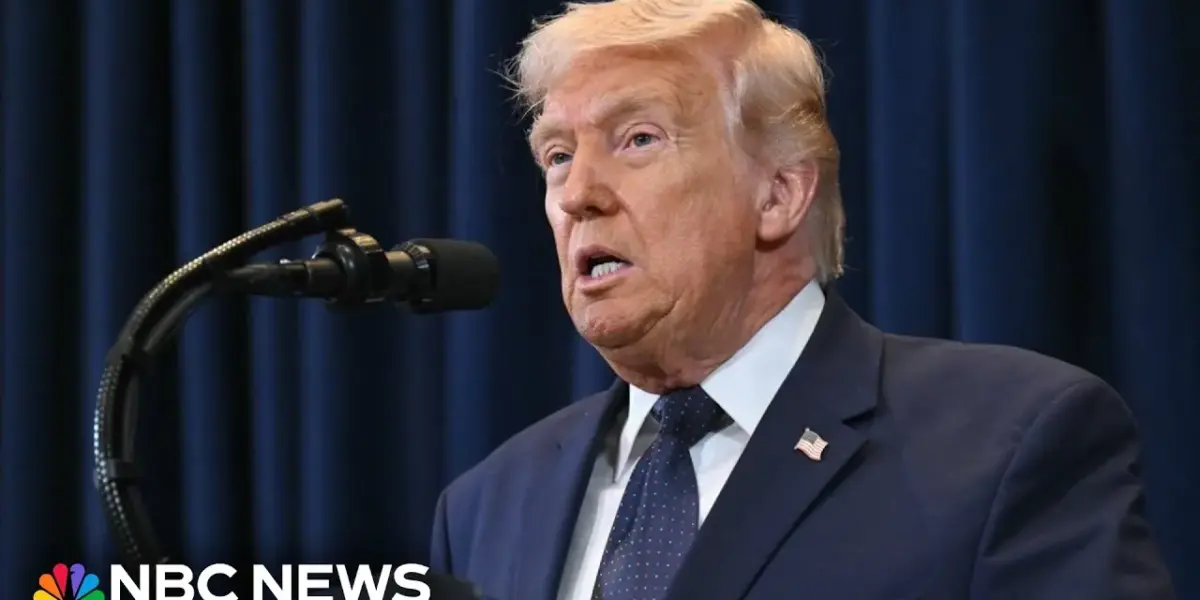
Former President Donald Trump revealed he held a “very good call” with Russian President Vladimir Putin, during which they discussed the ongoing conflict in Ukraine and the volatile situation in the Middle East. Trump stated that Putin expressed a desire to be “helpful” regarding Middle Eastern affairs, though Trump suggested Putin could be more instrumental in ending the war in Ukraine.
Former President Donald Trump announced on Tuesday that he had a “very good call” with Russian President Vladimir Putin, engaging in discussions that spanned the protracted conflict in Ukraine and the complex geopolitical landscape of the Middle East. The conversation, which involved numerous participants from both the American and Russian sides, offered a rare glimpse into the former president’s continued engagement with global leaders, particularly those involved in major international disputes.
Trump characterized the call as positive, emphasizing that it addressed the persistent fighting in Ukraine. He noted the deep animosity between Ukrainian President Volodymyr Zelenskyy and President Putin, describing their inability to find common ground. “There’s tremendous hatred between President Putin and President Zelenskyy. They can’t seem to get it together,” Trump remarked, underscoring the entrenched nature of the conflict.
Putin’s Stated Desire for Middle East Involvement
A significant point of discussion, according to Trump, was the Middle East. The former president stated that Putin conveyed a willingness to be “helpful” in resolving regional issues. While Trump did not elaborate on the specific areas within the Middle East that were discussed or the nature of Putin’s proposed assistance, his comments suggest that Russia is seeking a more active role in mediating or influencing developments in the region.
Trump, however, quickly pivoted to what he sees as a more pressing need for Putin’s intervention. “I said you could be more helpful by getting the Ukraine Russia war over with. That would be more helpful,” Trump recounted, directly linking Putin’s capacity for helpfulness to the cessation of hostilities in Ukraine. This statement implies that Trump views resolving the Ukraine war as a primary objective and a key indicator of Putin’s genuine desire to contribute positively to global stability.
Broader Implications and Geopolitical Context
The conversation between Trump and Putin, especially concerning the Middle East, comes at a critical juncture. The Middle East remains a focal point of international diplomacy, grappling with issues such as the Israeli-Palestinian conflict, the ongoing civil war in Syria, and the broader regional competition involving Iran, Saudi Arabia, and other key players. Russia has maintained a significant military presence in Syria and has sought to increase its influence across the region, often positioning itself as a counterweight to American influence.
Trump’s past foreign policy initiatives often involved direct engagement with leaders like Putin, sometimes bypassing traditional diplomatic channels. His approach during his presidency was characterized by a willingness to seek pragmatic solutions, even with adversaries, which often drew both praise and criticism. This recent call suggests that Trump continues to believe in the efficacy of such direct communication to address complex international challenges.
The timing of this discussion also holds significance. The Ukraine war, now in its extended phase, continues to have far-reaching consequences, impacting global energy markets, food security, and international alliances. Any indication of potential de-escalation or a willingness from key players to engage in meaningful peace talks, however unlikely it may seem, is noteworthy. Putin’s expressed desire to be “helpful” in the Middle East, coupled with Trump’s push for him to prioritize ending the Ukraine war, presents a complex dynamic.
A Strategic Proposition?
Trump’s framing of the conversation could be interpreted as a strategic proposition. By suggesting that Putin’s helpfulness in the Middle East is contingent on de-escalating the conflict in Ukraine, Trump appears to be attempting to leverage potential Russian cooperation in one area to achieve progress in another. This approach aligns with his “America First” philosophy, where international engagement is often viewed through the lens of direct benefit and transactional outcomes.
However, the effectiveness of such a strategy remains to be seen. The deep-seated causes of the Ukraine conflict and the multifaceted nature of Middle Eastern geopolitics are not easily resolved through bilateral discussions, especially those involving leaders with potentially divergent interests. The international community, including NATO allies and other key stakeholders, remains deeply involved in efforts to manage the conflicts in both regions.
Looking Ahead
The implications of this call will likely unfold in the coming weeks and months. Whether Putin’s stated desire to be “helpful” translates into concrete actions in the Middle East or whether Trump’s suggestion for prioritizing the Ukraine war gains traction among international diplomatic efforts remains an open question. Observers will be closely watching for any subsequent developments or statements from the involved parties, as well as reactions from global capitals, to gauge the potential impact of this high-level communication.
Source: Trump says Putin wants to be ‘helpful’ with Middle East (YouTube)

Related Articles
Trump’s Shifting Stance on Draft Sparks Voter Betrayal Fears
Recent statements from the Trump administration have revived the specter of a military draft, raising concerns among voters who recall explicit campaign promises against war. This analysis explores the political rhetoric, historical context, and implications of keeping the draft 'on the table'.

GOP Congressman Questions Missile Blame, Eyes Iran’s Nuclear Future
Republican Congressman Cory Mills has questioned the validity of claims that a U.S. missile struck a school in Iran, demanding concrete evidence. The discussion also covered Iran's degraded military capabilities, its nuclear program, and the potential for a transitional government, with Mills emphasizing the need for thorough investigation and accountability.

Hegseth’s Iran Response Criticized as ‘Disturbing in its Weakness’
Defense Secretary Pete Hegseth's responses regarding U.S. forces in Iran have been widely criticized as "disturbing in its weakness" and lacking strategic clarity. Observers pointed to his body language and ambiguous statements as indicators of a lack of transparency and gravitas.