Trump Claims Iranians Crave Freedom, Even Amidst Bombing
Former President Donald Trump claims Iranians would welcome bombings and suffering in exchange for freedom. This assertion sparks debate on the ethics of foreign intervention and the true desires of populations under oppressive regimes.

Trump’s Bold Claim: Freedom Over Infrastructure
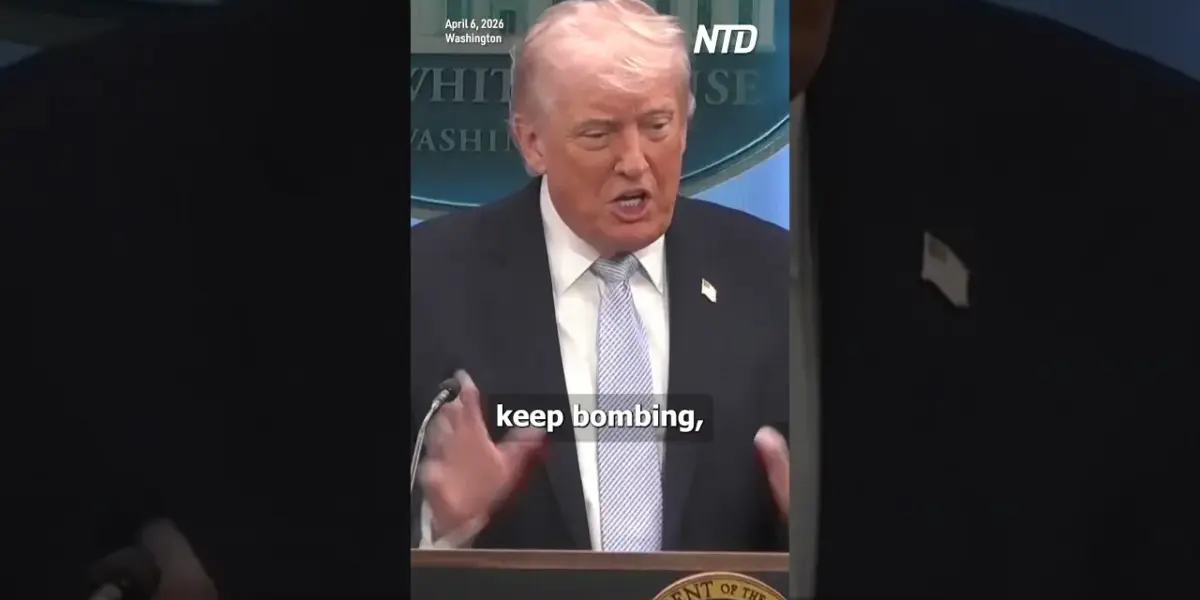
Former President Donald Trump recently stated that the people of Iran desire freedom so strongly that they would be willing to endure suffering, including bombings near their homes, to achieve it. This surprising assertion came during a discussion about potential military actions and their impact on the Iranian population.
Understanding the Context
The conversation touched on the idea that disrupting Iran’s infrastructure, such as cutting power, might be seen as punishing the people for the actions of their government. However, Trump presented a different perspective, suggesting that intercepts and reports indicate a deep yearning for liberation from the current regime. He described a scenario where Iranians, even those living near areas where bombs are falling, allegedly ask for the bombings to continue.
“They would be willing to suffer that in order to have freedom,” Trump stated, referring to the Iranian people. He added, “The Iranians have and we’ve had numerous intercepts. Please keep bombing bombs that are dropping near their homes. Please keep bombing. Do it. And these are people that are living where the bombs are exploding.”
This viewpoint suggests a profound disconnect between the regime’s actions and the populace’s deepest desires. Trump emphasized that regardless of the specific circumstances or the methods employed, the ultimate goal of the Iranian people, according to his information, is freedom.
Historical Background: Iran and International Relations
Iran has a complex history with international powers, including the United States. The 1979 revolution overthrew the U.S.-backed monarchy and established an Islamic Republic. Since then, U.S.-Iran relations have often been strained, marked by sanctions, political disputes, and proxy conflicts. Popular sentiment within Iran regarding foreign intervention and the government’s policies is often difficult to gauge accurately from the outside, given the country’s political climate and media restrictions.
Throughout various periods, there have been documented instances of internal dissent and calls for reform within Iran. However, the extent to which these sentiments translate into a desire for foreign military intervention, even if framed as a path to freedom, remains a subject of debate among foreign policy experts. The idea of a population welcoming or tolerating bombings, even as a means to an end, is a particularly stark and provocative one.
Analyzing the Claim: A Complex Reality
Trump’s statement presents a highly controversial perspective. On one hand, it highlights a potential underlying desire for freedom among the Iranian people, a sentiment that is not entirely unfounded given historical protests and calls for change within the country. Many Iranians have indeed expressed dissatisfaction with their government’s policies and restrictions.
However, the notion that ordinary citizens would actively wish for or tolerate bombings near their homes is difficult to reconcile with common human experience. Bombings, by their nature, cause widespread destruction, civilian casualties, and immense suffering. It is more typical for populations to seek peace and security, even under difficult political circumstances. The claim of intercepts showing people asking for more bombings is not publicly verifiable and raises questions about interpretation and context.
Critics of such a strategy often point out that foreign military action, especially involving bombings, can have devastating humanitarian consequences. It can also strengthen the hands of hardliners within a regime, who may use external aggression to rally nationalistic support and suppress internal opposition. The idea of freedom being achieved through such destructive means challenges conventional understanding of political change and national self-determination.
Why This Matters
This discussion is crucial because it touches on the ethics of foreign policy and the potential human cost of international conflict. When leaders consider military actions, understanding the true desires and potential suffering of the civilian population is paramount. Trump’s assertion, while provocative, forces a consideration of whether the abstract goal of freedom can, in the minds of some, outweigh immediate physical safety and comfort.
It also highlights the challenges of accurately assessing the will of the people in closed societies. Information gathered through intelligence channels, like the intercepts Trump mentioned, can be interpreted in various ways. The gap between what a government claims its people want and what external actors believe they want can lead to significant policy miscalculations with severe consequences.
Implications and Future Outlook
If Trump’s assessment, however controversial, reflects a genuine sentiment among a segment of the Iranian population, it could influence future foreign policy approaches. It suggests a potential willingness to accept greater risks and costs in pursuit of regime change or the empowerment of dissident groups. However, the practical implementation of such a strategy would face immense ethical and logistical hurdles.
The broader trend in international relations often involves a delicate balance between promoting democratic values and avoiding civilian harm. Policies that appear to disregard the latter in pursuit of the former are frequently met with international condemnation and can lead to prolonged instability. The future outlook likely involves continued debate on how best to support aspirations for freedom in countries like Iran without causing undue suffering to their citizens.
Ultimately, the claim that Iranians would welcome bombings for freedom is a stark reminder of the complex and often tragic choices faced by people living under oppressive regimes and the difficult decisions confronting those who consider intervening from the outside.
Source: Trump Tells Americans That Iranians Want Freedom (YouTube)

Related Articles


Iran War Looms: Trump’s Ultimatum Sparks Global Alarm
President Donald Trump's ultimatum to strike Iran's power plants and bridges has sparked global concern. This escalates tensions, raising fears of wider conflict and humanitarian crises. The situation demands careful consideration of diplomatic versus forceful approaches.

General Hodges: US Officers Must Resist Illegal Trump Orders
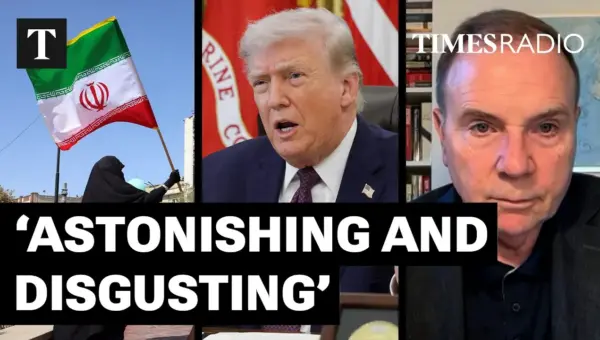
Former NATO commander Lt. Gen. Ben Hodges stated that President Trump's threats to destroy Iranian civilian targets could constitute war crimes. He urged U.S. officers to use their moral courage to resist illegal orders, even from the commander-in-chief.
GOP Congressman Discusses Iran Threats, DHS Funding
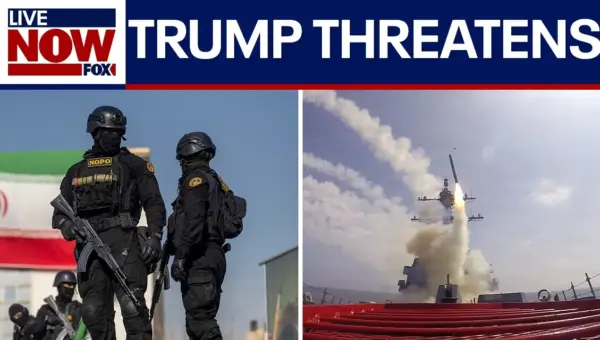
Congressman Marlon Stutzman discussed former President Trump's strong statements on Iran and the challenges of funding the Department of Homeland Security. He believes reconciliation is the key legislative path forward for DHS funding. Stutzman also suggested potential savings to offset costs by reducing fraud and waste in government programs.