Trump Claims Iran Victory: Did US Goals Get Met?
President Trump and Defense Secretary Hegseth are proclaiming a total American victory over Iran. However, national security reporter David Rohde is examining whether the United States actually achieved its initial objectives. The analysis suggests the reality on the ground is more complex than a simple declaration of success.

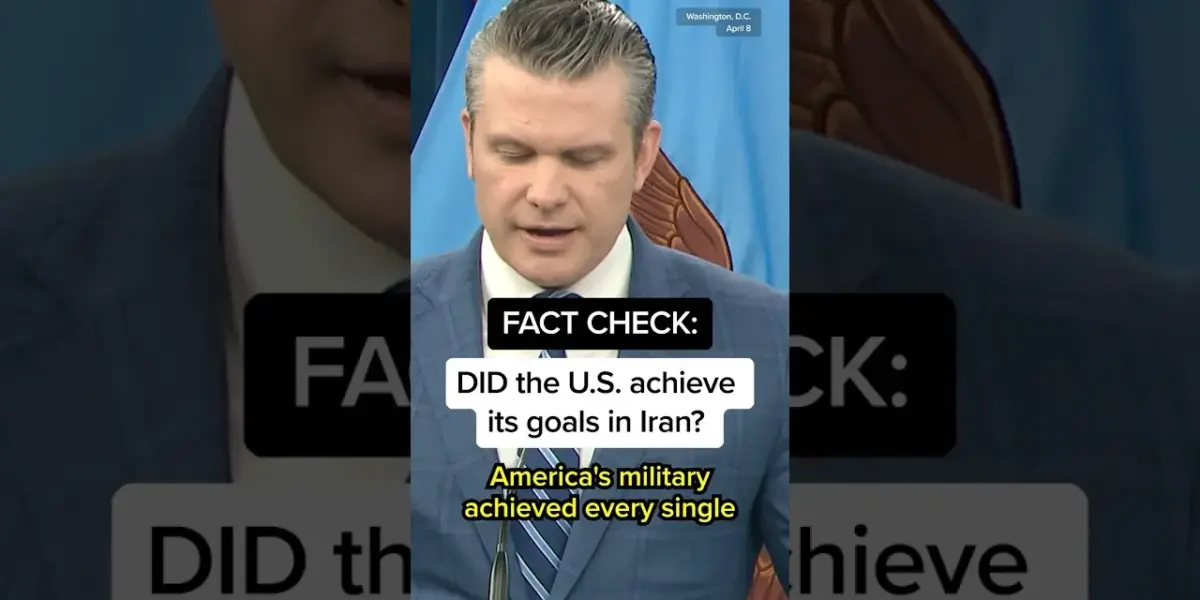
US Declares Victory in Iran, But Goals Questioned
President Trump and Defense Secretary Mark Hegseth have announced a complete American victory over Iran. However, questions are being raised about whether the United States actually achieved the goals it set out to accomplish at the start of the conflict. National security reporter David Rohde from MS NOW is examining the situation to provide clarity on the declared objectives versus the actual outcomes.
Defining the Objectives
To understand if the U.S. achieved its goals, it’s important to first know what those goals were. The Trump administration’s stated objectives in Iran were not always clear and sometimes seemed to shift. Early on, the focus was on stopping Iran’s nuclear program and curbing its regional influence. This included halting its support for militant groups and its ballistic missile development.
Later, the administration also emphasized a desire to de-escalate tensions and prevent further conflict in the Middle East. The goal was to create a more stable region free from Iranian aggression. These aims were presented as the reasons for increased pressure on Iran through sanctions and military posturing.
Assessing the Outcomes
When looking at the situation on the ground, the picture is more complex than a simple declaration of victory. While some immediate threats may have been reduced, Iran’s core capabilities and regional influence appear largely intact. The nuclear program, though impacted by sanctions, has not been fully dismantled, and Iran continues to support various groups across the Middle East.
The administration’s claim of victory is being challenged by analysts who point to ongoing instability and the continued presence of Iranian-backed forces in countries like Syria and Yemen. The strategy of maximum pressure, while causing economic hardship for Iran, did not lead to the fundamental change in behavior that was initially sought. Instead, it sometimes led to increased regional tensions.
Expert Analysis and Perspectives
David Rohde’s reporting suggests that the definition of “victory” might be subjective in this case. If the goal was simply to project strength and impose economic pain, then perhaps those objectives were met. However, if the goal was to fundamentally alter Iran’s behavior and reduce its threat to regional stability, the results are less convincing.
“The administration is claiming a win, but the reality on the ground shows a much more complicated picture. We need to look closely at what was promised versus what has been delivered,” Rohde noted.
Many foreign policy experts agree that while sanctions have hurt Iran’s economy, they have not necessarily achieved the broader strategic aims. The administration’s approach has been criticized for sometimes lacking a clear, consistent long-term strategy. This has made it difficult to measure success against specific, achievable benchmarks.
Broader Implications for the Region
The ongoing situation with Iran has significant implications for the entire Middle East. The uncertainty surrounding U.S. policy and Iran’s actions contributes to regional instability. Allies in the region, such as Israel and Saudi Arabia, have closely watched these developments, seeking assurances of security.
The economic impact of sanctions on Iran has also been felt globally, affecting oil markets and international trade. The complex relationship between the U.S. and Iran continues to be a major factor in global security discussions. The effectiveness of diplomatic versus military or economic pressure remains a key debate among policymakers.
What’s Next?
Moving forward, it will be crucial to monitor how the U.S. continues to engage with Iran. The long-term consequences of the current policies are still unfolding. Future administrations will likely face the challenge of managing this complex relationship and working towards a more stable outcome in the Middle East. The effectiveness of sanctions and the potential for renewed diplomatic efforts will be key areas to watch.
Source: FACT CHECK: DID the U.S. achieve its goals in Iran? (YouTube)

Related Articles

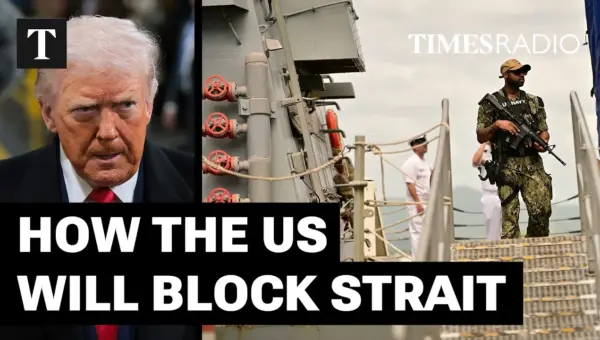
US Blockades Iran Ports, Fueling Oil Price Fears
The US Navy is reportedly moving to blockade Iranian ports, sparking fears of rising global oil prices. While the US aims to stop ships leaving Iran, the action raises concerns about regional stability and potential escalation. Experts warn that this could disrupt oil supplies and lead to further price hikes.

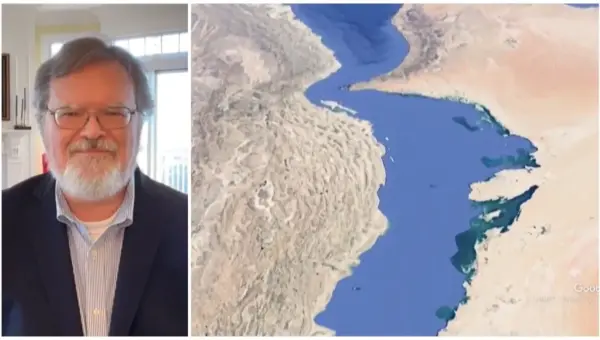
Trump’s Hormuz Gambit: Iran’s Oil Lifeline Severed
President Trump's announcement of a blockade on the Strait of Hormuz aims to cut off Iran's oil revenue. Analyst Rod Martin views this as a strategic move to neutralize Iran's long-standing threat to global oil markets. The action could lead to lower oil prices globally and significant pressure on the Iranian regime, potentially forcing it to abandon its nuclear ambitions.

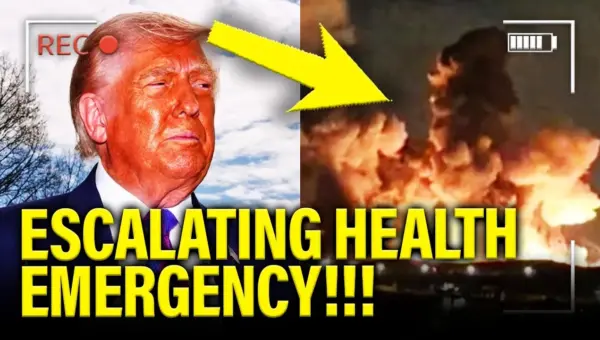
President’s War Threats Spark Global Health and Economic Crisis
President Trump's threats against Iran, including targeting its civilization and infrastructure, have drawn accusations of genocide and war crimes. This rhetoric, coupled with concerns about his cognitive health, has sparked a global economic crisis, driving up oil prices and threatening widespread shortages. Medical professionals are raising alarms about his fitness for office, while the nation faces the economic fallout of a conflict initiated without clear authorization.