Trump Claims Iran Threatened Attack, Defends Iran Strike
President Trump defended preemptive strikes on Iran, claiming the U.S. believed Iran was preparing to attack first. Administration officials cited Iran's nuclear ambitions and deceptive practices as justification, while critics question the evidence of an imminent threat and the long-term strategy.

Trump Claims Imminent Iranian Attack Prompted Strike Decision
President Donald Trump on Thursday defended his decision to authorize preemptive strikes against Iran, asserting that the United States believed Iran was on the verge of attacking first. Speaking to reporters, Trump stated, “Based on the way the negotiation was going, I think they were going to attack first and I didn’t want that to happen.” This justification comes amidst escalating tensions in the Middle East and criticism from some lawmakers regarding the administration’s approach.
Administration Cites Iranian Nuclear Ambitions and Deception
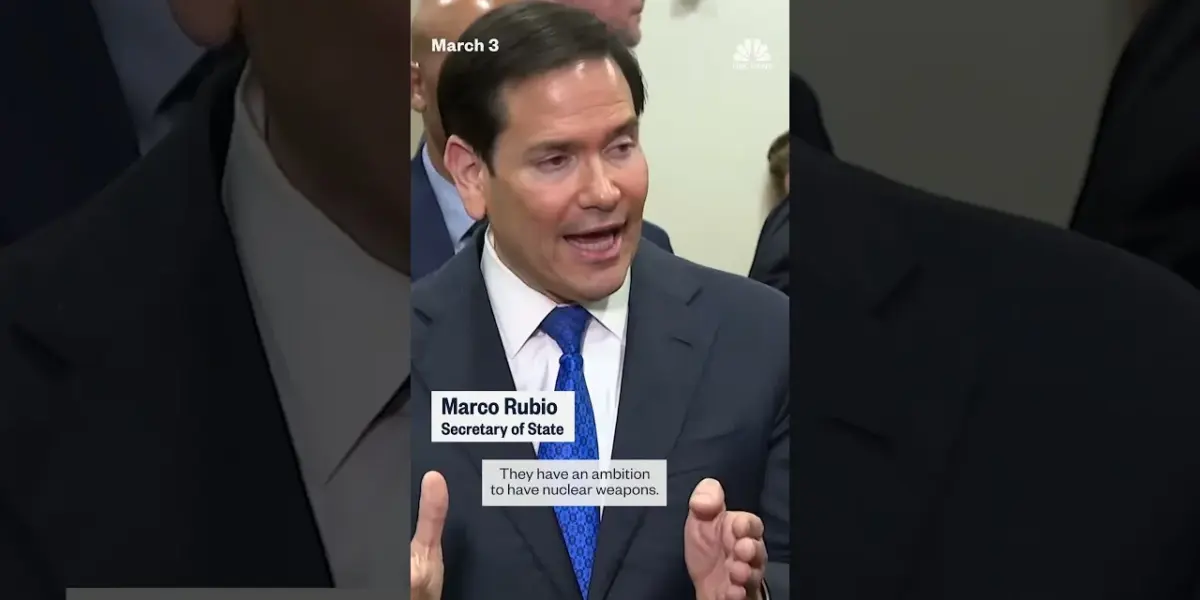
Administration officials further elaborated on the rationale behind the strikes, alleging that Iran was actively concealing elements of its nuclear program. They claimed that Iran had been deceptive about the true purpose of a research reactor in Thran and simultaneously stockpiled ballistic missiles intended for offensive capabilities. Senator Marco Rubio, in a briefing with lawmakers, characterized the Iranian leadership as “religious fanatic lunatics” with aspirations for nuclear weapons. He detailed their alleged strategy involving missiles, drones, and terrorism to achieve these aims.
“Iran is run by lunatics, religious fanatic lunatics. They have an ambition to have nuclear weapons. They intend to develop those nuclear weapons behind a program of missiles and drones and terrorism.”
Senator Marco Rubio
President Argues for Preemptive Action Against Weakened Adversary
President Trump emphasized the perceived vulnerability of Iran at the current moment, suggesting that any delay in action would render the nation untouchable in the future. “The president said this is the weakest they’ve ever been. If we don’t hit them now, a year from now, a year and a half from now, no one will be able to touch them,” he stated. This sentiment underscores the administration’s belief that a window of opportunity existed for a decisive blow against Iran’s military and nuclear infrastructure.
Democrats Question Imminent Threat, Raise Concerns Over Strategy
Conversely, Democratic lawmakers have expressed skepticism regarding the administration’s claims of an imminent threat. “There is no evidence that has been presented to us that the United States was under threat of imminent attack from Iran,” stated one unnamed Democratic official. Beyond questioning the necessity of the strikes, concerns have also been raised about the long-term strategy and potential consequences. When pressed about a worst-case scenario, President Trump acknowledged the possibility of instability, admitting, “I guess the worst case would be we do this and then somebody takes over who’s as bad as the previous person, right? That could happen. Uh we don’t want that to happen.” This admission highlights the uncertainties surrounding the post-strike geopolitical landscape.
Potential Israeli Involvement and Broader Regional Dynamics
The transcript also touched upon the possibility that U.S. actions might have influenced or preempted Israeli plans to strike Iran. Trump alluded to this, saying, “If anything, I might have forced Israel’s hand, but Israel was ready and we were ready and we’ve we’ve had a very very powerful impact.” This suggests a level of coordination or at least awareness between the U.S. and Israel regarding potential military actions against Iran, a long-standing concern for both nations given Iran’s regional influence and nuclear ambitions.
Future Uncertainty and the Path Forward
The recent developments raise critical questions about the immediate future of U.S.-Iran relations and the broader stability of the Middle East. While the Trump administration presents its actions as a necessary deterrent against a dangerous regime, critics remain unconvinced about the evidence of an imminent threat and the clarity of the administration’s long-term strategy. The potential for escalation, coupled with the acknowledged uncertainties about future leadership in Iran, points to a volatile period ahead. The international community will be closely watching for further actions and reactions from all parties involved, as well as for any signs of de-escalation or diplomatic engagement.
Source: Trump says U.S. believed Iran would 'attack first' (YouTube)

Related Articles
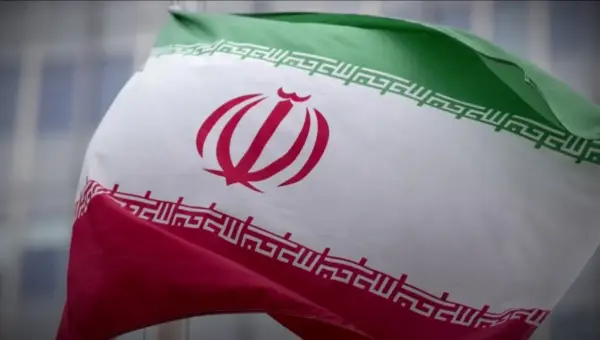
Iran Picks New Leader Amid Israeli Strikes and Leadership Void
Iran is in the final stages of selecting a new Supreme Leader following the death of Ayatollah Khamenei, amidst alleged Israeli strikes targeting the selection body. A temporary council is governing while contenders, including Khamenei's son, are considered. The U.S. hopes for a swift end to the current regime.

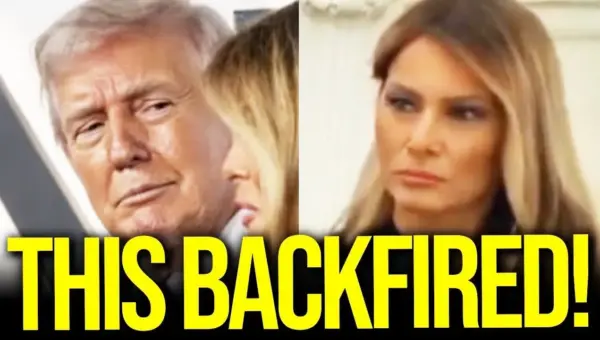
Melania Trump’s UN Stint Fuels Epstein Questions
Melania Trump's historic UN Security Council appearance sparks debate, raising questions about her qualifications and reigniting scrutiny over her past ties to Jeffrey Epstein. The event highlights perceived hypocrisy and a demand for accountability in public life.
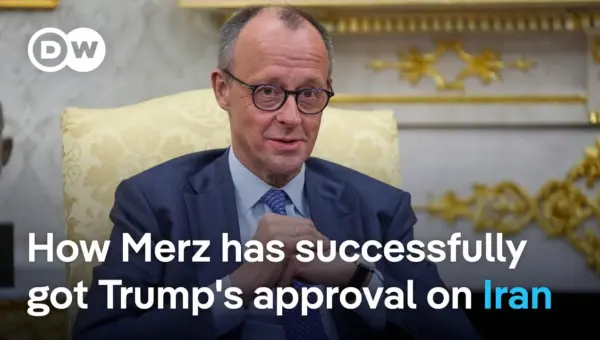
Merz Gains Trump’s Favor as Iran Conflict Strains European Alliances
German Chancellor Friedrich Merz secured a favorable reception from U.S. President Donald Trump, contrasting with Trump's criticism of other European leaders over Iran. The meeting highlighted transatlantic strains, U.S. demands, and Europe's push for strategic independence amidst ongoing conflicts and trade disputes.