Trump Claims Iran Talks Yield “Major Agreement”; Critics Skeptical
President Trump claims significant progress and "major agreement" in talks with Iran, but Iranian officials deny any such discussions. The apparent disconnect, coupled with questions about the negotiators and Congress's sidelined role, fuels widespread skepticism.

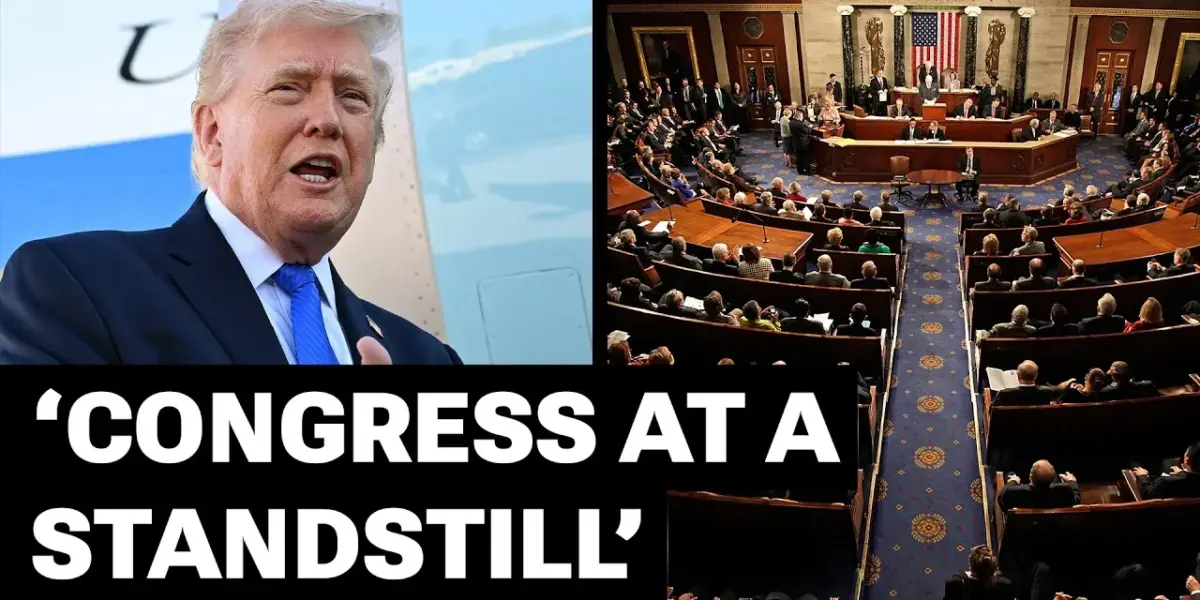
Trump Announces Iran Deal Progress Amidst Confusion
President Donald Trump has declared significant progress in talks with Iran, stating that “major points of agreement” have been reached. Speaking on the tarmac before boarding Air Force One, Trump asserted that his team, including son-in-law Jared Kushner and businessman Steve Witkoff, had “very strong talks” with Iranian representatives. He suggested that agreement was reached on “almost all points,” though he acknowledged that communication channels were heavily disrupted, leading to confusion.
However, these claims are met with widespread skepticism. Iran’s state news agency and other official sources have vehemently denied that any such talks or agreements have occurred. This stark contradiction has created an atmosphere of uncertainty, making it difficult for both the American public and international observers to understand the true state of diplomatic efforts.
Questions Surround Negotiators and Diplomatic Process
The involvement of Jared Kushner and Steve Witkoff as key negotiators has also raised eyebrows. Critics question their qualifications and the process by which they were appointed, especially given that Congress has had no say in the matter. While Kushner has a past success with the Abraham Accords, his role in ongoing, high-stakes diplomacy in volatile regions is seen by some as lacking the necessary democratic oversight and public confidence.
“Who elected them for a start?” asked Sarah Baxter, Director of the Mary Cobvin Center for International Reporting. “Congress, as we know, has got no say over the conduct of what’s going on towards Iran.” Baxter highlighted that these negotiators were personally appointed by the president, with Kushner’s primary qualification being his familial relationship to Trump and his business interests in the Middle East.
Market Reactions and Public Opinion
President Trump’s public statements, particularly his announcement on Tweet Social about avoiding retaliatory attacks on Iranian energy assets, had a notable impact on financial markets. The Dow Jones and FTSE indices saw initial gains following the news, suggesting that investors welcomed the de-escalation of tensions. However, these gains were short-lived as uncertainty about the actual situation resurfaced.
Regarding public opinion, a recent Yuggov poll indicates deep skepticism about the war and President Trump’s handling of it among independent voters, who oppose his approach by more than a 2-to-1 margin. While Trump claims 100% approval within his MAGA base, polls suggest his overall approval ratings are deeply negative. There appears to be a split within the MAGA movement itself, with some influential figures like Tucker Carlson and Meghan Kelly reportedly breaking with Trump on the issue of Iran, although their sway over the die-hard base remains unclear.
Congress’s Diminished Role in Foreign Policy
The situation highlights a perceived decline in the effectiveness and influence of Congress in foreign policy decisions, especially concerning military action. “Congress at the moment, John, only exists to either rubber stamp what Donald Trump is doing or to do nothing,” Baxter observed. This inaction is particularly concerning when major military offensives are being considered, an area where Congress traditionally holds the authority to authorize action.
The legislative body, which is described as having practically come to a standstill, appears to be largely sidelined. This leaves the public, including moderate Republicans and independent voters, feeling shut out and increasingly skeptical of the administration’s direction and handling of international crises. The president’s tendency to issue conflicting statements, as noted by Baxter who referenced a sketch by John Stewart depicting Trump contradicting himself, further complicates the public’s understanding and trust.
Looking Ahead
As diplomatic channels remain opaque and official statements from both sides of the conflict are contradictory, the path forward is uncertain. The focus will likely remain on monitoring any further statements from the White House and Iranian officials, as well as observing the reactions of international allies and the financial markets. The role and potential reassertion of congressional oversight in matters of foreign conflict will also be critical to watch.
Source: Iran Conflict Shows ‘Ineffective’ Congress (YouTube)

Related Articles

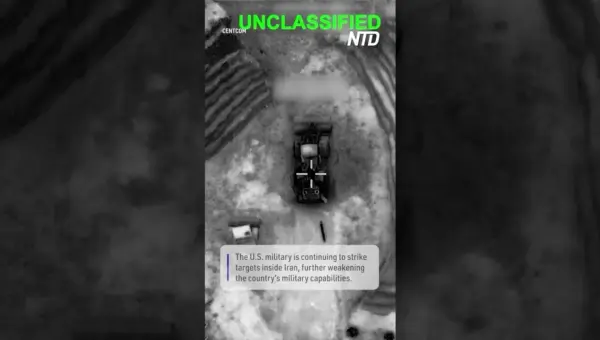
US Strikes Cripple Iran’s Military Might, CENTCOM Reports
U.S. Central Command reports ongoing strikes inside Iran are significantly weakening its military power. This direct action aims to reshape regional security dynamics, but carries risks of escalation. The long-term impact depends on Iran's response and ability to adapt.

House Funds DHS Short-Term, Senate Stalemate Looms
The House has passed a short-term bill to fund the Department of Homeland Security, but the Senate is expected to reject it. This temporary measure highlights ongoing political divisions and the challenges in reaching long-term budget agreements in the U.S. Congress.

Iran Targets US With Cyberattacks, Escalating Digital Warfare
Iran is increasingly using cyberattacks to challenge the U.S., as seen in a recent hack of the FBI director's account. Experts say this is a strategic shift due to Iran's limitations in conventional warfare. The U.S. needs to strengthen its digital defenses, focusing on encryption and cloud computing, rather than solely relying on traditional security measures.