Trump Claims Iran Seeks Peace, But Experts Doubt Deal
Donald Trump claims Iran has requested a ceasefire, but with a significant condition about the Strait of Hormuz. Experts are highly skeptical, pointing to the wide gap between U.S. and Iranian demands and Iran's leverage over the vital shipping lane. This situation highlights the ongoing challenges in U.S.-Iran relations.

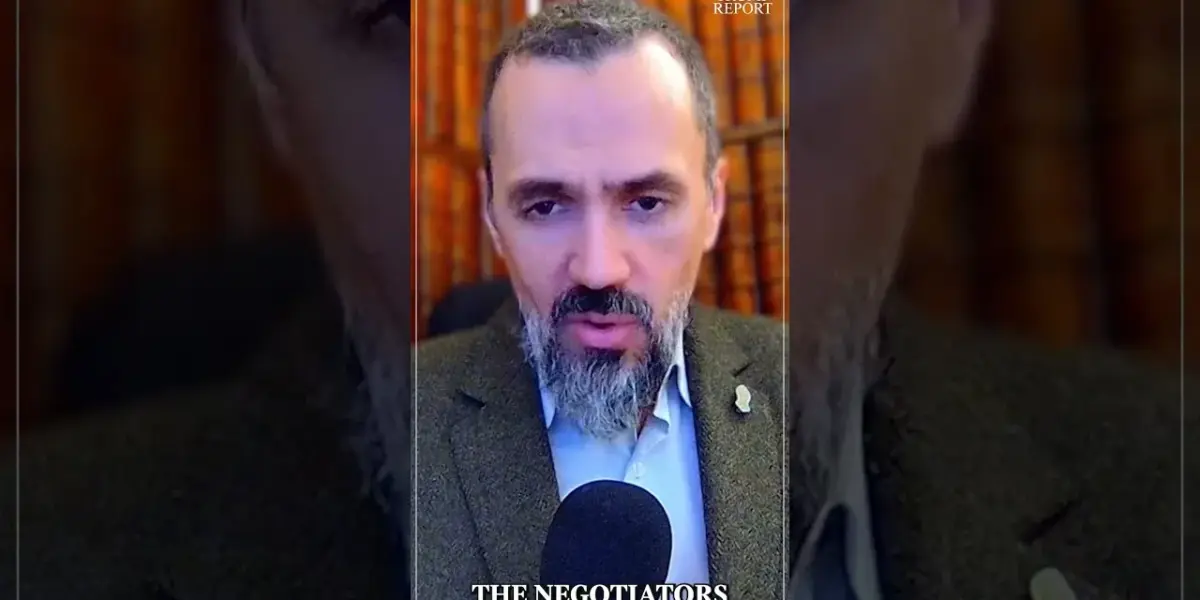
Trump Claims Iran Seeks Peace, But Experts Doubt Deal
Former President Donald Trump recently made a bold claim: Iran’s new president has asked the United States for a ceasefire. He shared this on his social media platform, Truth Social. However, Trump did not name the Iranian official he supposedly spoke with. This lack of specific detail is not unusual for his public statements.
Trump added a condition for considering this ceasefire: the Strait of Hormuz must be open, free, and clear. Until then, he stated, the U.S. would continue strong actions against Iran, aiming to push them back significantly. This statement raises questions about the possibility of a real peace agreement between the two nations.
Is a Ceasefire Realistic?
Many experts are skeptical about the likelihood of a ceasefire. The situation between Iran and the United States is complex and has been for a long time. The gap between what Tehran wants and what Washington, D.C. wants seems incredibly wide right now. There’s very little common ground between their demands.
Currently, there are talks happening, but they are not direct negotiations between the U.S. and Iran. Instead, mediators are trying to get the two sides to even agree to sit down together. This suggests that real progress is still a long way off. It’s unlikely these mediation efforts will lead to a breakthrough anytime soon.
Iran’s Key Bargaining Chip
A central point of contention is the Strait of Hormuz. This is a very important waterway for global oil shipments. Iran has effectively used its control or influence over this strait as a major bargaining tool. The idea that Iran would simply open it up without receiving something huge in return seems unlikely to many observers.
For Iran, keeping the Strait of Hormuz in a state of uncertainty or partial closure is one of their strongest points of leverage. Giving this up easily would mean losing a significant advantage in any potential negotiations. Therefore, the claim of a ceasefire request, especially with Trump’s condition, appears far-fetched to those familiar with the region’s politics.
Historical Context
Relations between the United States and Iran have been strained for decades. Following the 1979 Iranian Revolution, diplomatic ties were severed. This led to a long period of mistrust and sometimes open hostility. Issues like Iran’s nuclear program and its regional influence have been constant sources of tension.
Previous administrations have attempted various diplomatic approaches, from sanctions to direct talks. Each attempt has faced significant hurdles. The underlying disagreements are deep-rooted, involving national security, foreign policy goals, and ideological differences. This history makes sudden breakthroughs difficult to achieve.
Why This Matters
The stability of the Middle East is crucial for the global economy and international security. The Strait of Hormuz is vital for transporting a significant portion of the world’s oil. Any disruption there can cause energy prices to spike worldwide. Therefore, understanding the true state of U.S.-Iran relations and the possibility of de-escalation is important for everyone.
Trump’s statement, whether entirely accurate or not, highlights the ongoing challenges in U.S.-Iran diplomacy. It also shows how sensitive these issues are and how quickly public statements can affect perceptions. The need for clear communication and realistic expectations in foreign policy cannot be overstated.
Implications and Future Outlook
If Iran were truly seeking a ceasefire, it would signal a potential shift in their strategy. However, given the current dynamics, it’s more likely that any communication is part of a complex diplomatic game. Iran may be trying to test the waters or gain an advantage through public statements.
The future outlook depends on many factors. These include the internal politics of both countries, regional developments, and the effectiveness of international diplomacy. For now, the gap between the two nations remains wide, and the Strait of Hormuz continues to be a critical point of negotiation and potential conflict. A genuine peace process would require significant concessions and trust-building from both sides, which are currently in short supply.
Source: Trump says Iran wants a ceasefire — but is it real? (YouTube)

Related Articles
Iran War Declared Over: US Seeks Exit Amid Domestic Focus
The U.S. appears to be signaling an end to its military conflict with Iran, driven by a need to focus on domestic issues. President Trump's recent speech suggests a desire for de-escalation, despite aggressive rhetoric. The analysis highlights economic hardship, contradictory messaging, and the pressing challenges at home as key drivers for this shift.
World Allies Step Up as US Steps Back from Strait Security
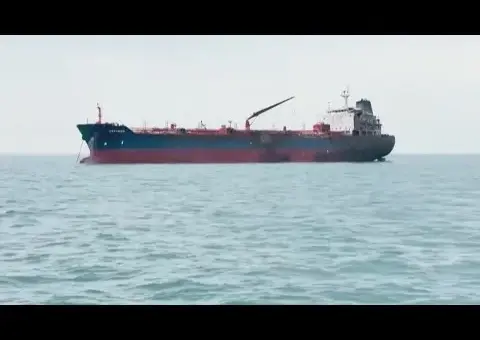
As the US steps back, over 30 nations met to secure the vital Strait of Hormuz, crucial for global oil trade. President Trump wants allies to lead security efforts, while Iran's leverage and potential Russian support complicate the situation. Military options are being considered, but reopening the strait may take longer than anticipated.

Iran-Backed Militia Suspected in Journalist Kidnapping
American journalist Shelly Kittleson was kidnapped in Baghdad by a suspected Iranian-backed militia. U.S. officials were aware of threats to her. The incident highlights the dangers freelance journalists face and the complex geopolitical landscape in Iraq.