Trump Claims Iran Seeks Deal, Mocks NATO’s Iran Stance
Former President Donald Trump claims Iran is "begging" for a deal to end tensions, directly contradicting Tehran's public statements. He also criticized NATO for its inaction regarding Iran. Meanwhile, Pakistan is reportedly facilitating messages between the two nations.

Trump Claims Iran Seeks Deal, Mocks NATO’s Iran Stance
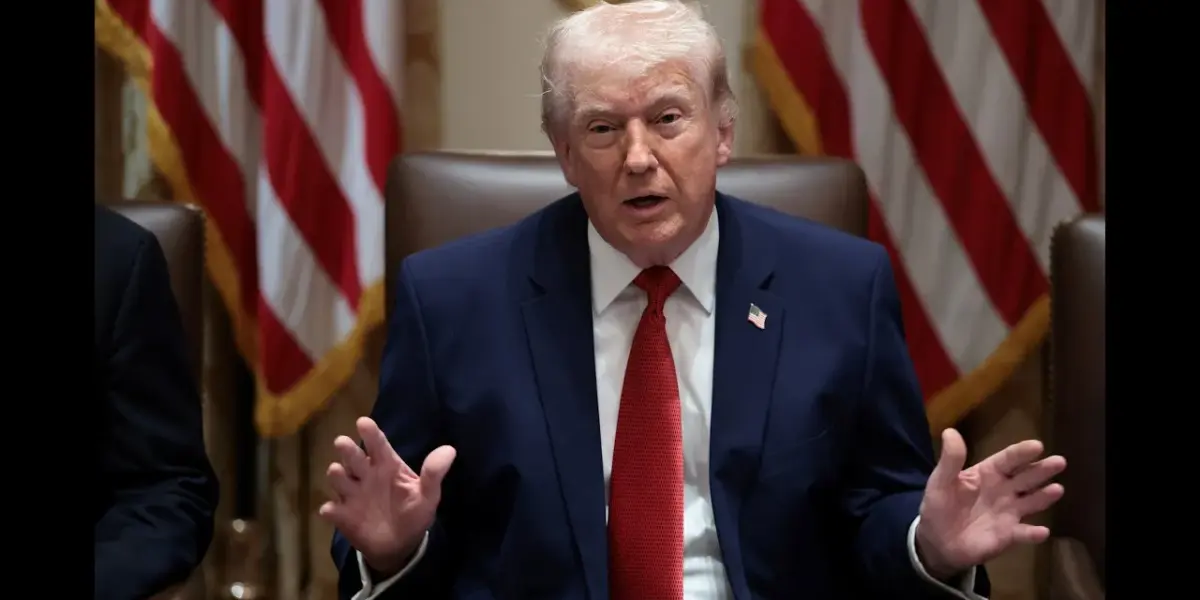
Former President Donald Trump recently made strong claims about Iran’s desire for a deal to end current tensions. He stated that Iran is actively seeking an agreement, directly contradicting Iran’s public statements. Trump shared his views on his social media platform, Truth Social, calling the Iranian negotiators “very different and strange.”
He went on to say that Iran is “begging us to make a deal.” Trump asserted that Iran should be doing this because they have been “militarily obliterated with zero chance of a comeback.” This strong language suggests a belief in significant Iranian weakness. Trump’s posts also aimed to correct what he sees as a false narrative from Iran. He wrote that Iran’s public claim of only looking at the US proposal is “Wrong.” He warned Iran to “get serious soon before it’s too late.” Trump added that once a certain point is reached, “there’s no turning back and it won’t be pretty.”
Criticism of NATO Over Iran Policy
Beyond his remarks on Iran, Trump also took aim at NATO nations. He criticized them for not doing enough to address Iran’s actions. Trump stated that these NATO countries have “done absolutely nothing to help with the lunatic nation of Iran.” He emphasized that the United States does not need NATO’s help. However, he reminded people to “never forget this very important point in time.” This suggests a belief that NATO allies are not pulling their weight, especially concerning Iran.
Pakistan’s Role in Communication
Meanwhile, there are reports of diplomatic efforts involving third parties. Pakistan’s foreign minister announced that the country is assisting in passing messages between Iran and the United States. This information was shared on the social media platform X. This indicates that direct communication channels may be limited or strained. Such back-channel diplomacy often occurs when official talks are difficult or stalled. It highlights the complex international relationships involved in managing the Iran situation.
Why This Matters
The statements from former President Trump are significant for several reasons. They reveal a clear and aggressive stance towards Iran, emphasizing a belief in American leverage. Trump’s public pronouncements can influence international perceptions and potentially affect diplomatic strategies. His direct challenges to Iran’s stated positions create a narrative of an Iran seeking concessions under duress. This contrasts sharply with Iran’s public image of resilience and strategic patience.
Furthermore, Trump’s criticism of NATO highlights ongoing debates about burden-sharing and the effectiveness of international alliances. His view that the US needs nothing from NATO, while acknowledging its importance, reflects a transactional approach to foreign policy. This can create friction with traditional allies who rely on collective security agreements. The mention of Pakistan facilitating messages underscores the intricate web of diplomacy required to manage geopolitical hotspots. It shows how smaller nations can play crucial roles in bridging communication gaps between major powers.
Historical Context and Future Outlook
The US-Iran relationship has been fraught with tension for decades, marked by events like the 1979 hostage crisis and subsequent sanctions. Periods of direct confrontation have often alternated with attempts at negotiation or de-escalation. Trump’s presidency saw a significant shift towards a more confrontational policy, including the withdrawal from the Iran nuclear deal. This recent exchange echoes that assertive approach.
The future outlook remains uncertain. If Trump were to regain the presidency, his administration’s approach to Iran could become even more aggressive. This might involve further sanctions or military posturing. Alternatively, if Iran feels genuinely cornered, as Trump suggests, its actions could become more unpredictable. The role of intermediaries like Pakistan will likely remain important. The effectiveness of any diplomatic solution will depend on the willingness of both sides to engage seriously and the broader geopolitical context. The tension between Iran and Western powers, particularly the US, is a persistent feature of Middle Eastern politics. Understanding these dynamics is key to grasping the region’s stability.
Source: Trump: Iran’s Claims of No Talks ‘Wrong’ (YouTube)

Related Articles
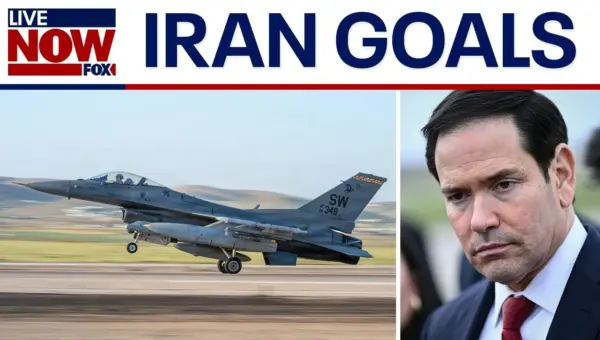
Rubio: US Can Achieve Iran War Goals Without Troops
Senator Marco Rubio outlined a strategy to counter Iran without deploying U.S. ground troops, focusing on weakening the regime and enhancing maritime security. He also criticized Cuba's economic system and expressed concerns about West Bank violence.
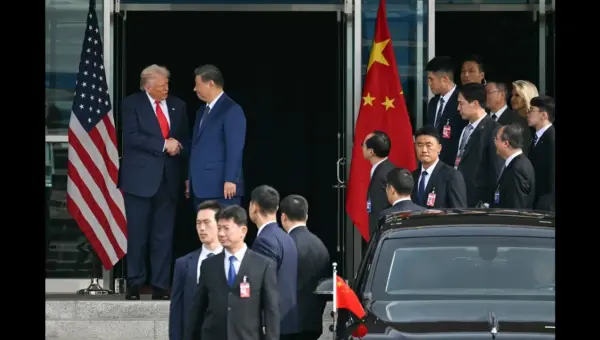
Trump’s “Walk Away” Tactic Signals Tougher Stance on China
Retired Air Force Brigadier General David Stillwell believes President Trump's strategy of being willing to walk away from negotiations puts pressure on China. This tactic, combined with US global actions and strengthened alliances, signals a more assertive American foreign policy.
Gulf States Demand Seat at Table on Iran’s Nuclear Future
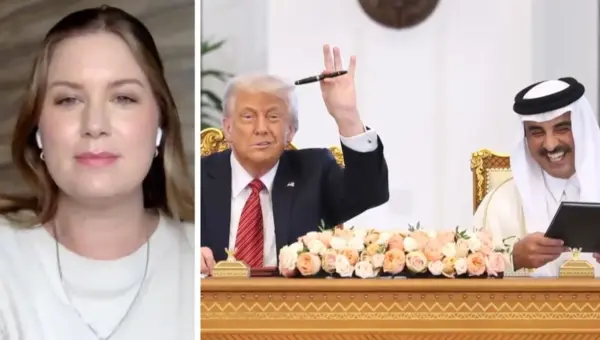
Gulf states are demanding a seat at the table for any U.S.-Iran talks regarding Iran's nuclear future. This move reflects a growing assertiveness and a desire to shape regional security directly. It signals a potential shift towards more inclusive diplomatic efforts in the Middle East.