Trump Claims Iran Nuclear Deal Reached Amid Shifting Tensions
President Trump announced Iran has agreed to abandon nuclear weapons amid ongoing talks and paused US strikes. This follows a period of heightened tensions and conflicting statements, with Iran denying negotiations are taking place.

Trump Claims Iran Nuclear Deal Reached Amid Shifting Tensions
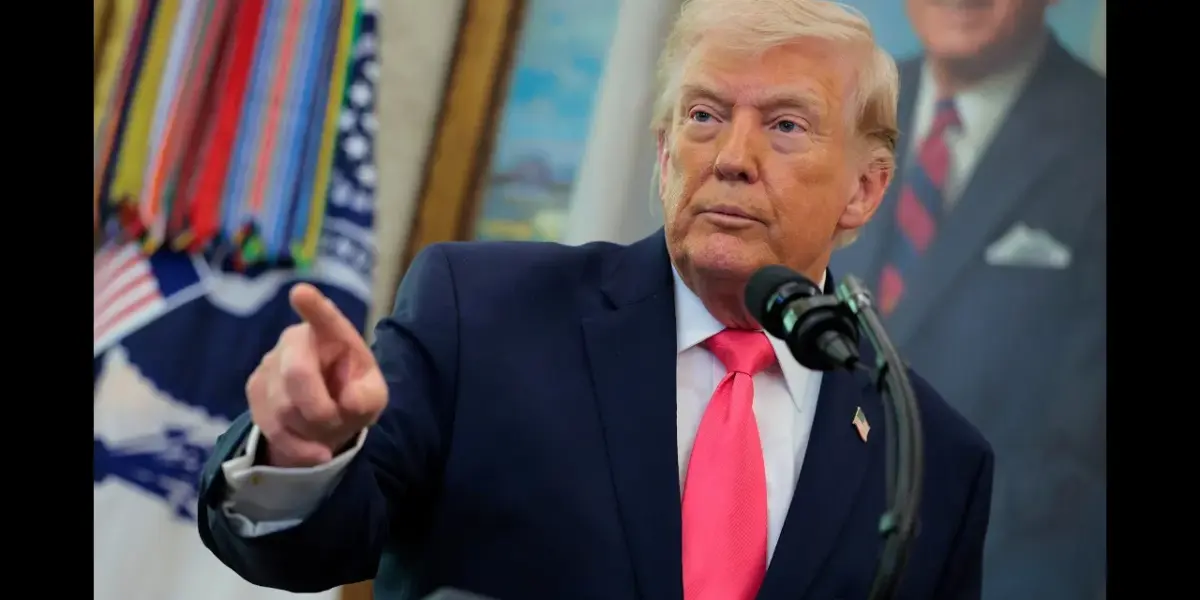
President Donald Trump recently announced that Iran has agreed to abandon its pursuit of nuclear weapons. This significant claim comes as the United States has paused potential military strikes against Iran. Talks between the two nations are reportedly underway this week, marking a notable shift in diplomatic efforts.
White House correspondent Iris Tao reported on the developing situation. President Trump expressed confidence that a deal with Iran is imminent. He suggested that the US is now engaging with the appropriate individuals, highlighting a recent development concerning oil and gas in the Strait of Hormuz. The president described this as a substantial and valuable gesture, indicating that the US is indeed speaking with the right parties.
This announcement contrasts sharply with President Trump’s previous stance. He had previously stated that any deal would require Iran’s complete surrender. When questioned about this change in approach, the president attributed it to the fact that negotiations are now taking place and that Iran is speaking rationally. He firmly stated that Iran has agreed to never possess nuclear weapons.
Regarding what prompted Iran to enter these discussions, President Trump pointed to the severe weakening of Iran’s military capabilities. He declared that Iran is militarily defeated, emphasizing that the US has effectively won this conflict. The president criticized media outlets, such as The New York Times, for not accurately reflecting this reality. He argued that these reports incorrectly portray the situation as if the US is not winning a war against a nation lacking a strong air force or navy, especially when US planes are reportedly flying over Iran.
Iran has publicly denied that any talks are currently happening. However, President Trump suggested this denial stems from internal confusion within Iran’s government. He described the regime as destabilized, or perhaps even fundamentally changed. The president made a strong statement about eliminating Iranian leadership, claiming that after initial leaders were killed, new leaders were chosen only to be eliminated as well. He suggested that a new group is now in place, and the US could easily repeat such actions. He concluded by stating, “But let’s see how they turn.”
Why This Matters
The potential for Iran to agree to forgo nuclear weapons is a critical development in international security. For years, Iran’s nuclear program has been a major source of global concern, leading to international sanctions and heightened tensions. If this agreement holds, it could significantly reduce the risk of nuclear proliferation in the Middle East and ease a major point of conflict between Iran and the United States, as well as other world powers.
Historical Context and Background
Iran’s nuclear program has been a complex issue for decades. Following the 1979 revolution, Iran pursued nuclear technology, initially for energy purposes. However, international bodies like the International Atomic Energy Agency (IAEA) became concerned about potential military applications. This led to a series of international negotiations, culminating in the 2015 Joint Comprehensive Plan of Action (JCPOA), often called the Iran nuclear deal. The JCPOA aimed to limit Iran’s nuclear activities in exchange for sanctions relief. President Trump withdrew the US from the JCPOA in 2018, reimposing harsh sanctions on Iran, which Iran viewed as a betrayal and a move that pushed the country further away from international cooperation.
Implications, Trends, and Future Outlook
If President Trump’s claims are accurate, this represents a significant diplomatic victory. It suggests a potential return to direct negotiations and a de-escalation of immediate military threats. However, the situation remains fluid. Iran’s denial of talks indicates internal divisions or a strategic approach to negotiations. The long-term implications depend heavily on the specifics of any agreement, verification mechanisms, and the broader geopolitical context. The trend towards brinkmanship, followed by a sudden diplomatic opening, highlights the volatile nature of international relations in this region. Future outlooks could range from a renewed era of diplomacy to renewed confrontation if trust breaks down or key demands are not met.
The effectiveness of any deal will likely hinge on verification. How will the international community ensure Iran is truly adhering to its commitment not to develop nuclear weapons? This is a question that has plagued previous agreements. Furthermore, the US’s role and its relationship with allies in the region will be crucial in maintaining stability. The focus on military decimation as a bargaining chip is a bold strategy. It suggests a belief that overwhelming force can compel diplomatic concessions, a tactic with a mixed history of success.
The conflicting statements from the US and Iran underscore the need for clear communication and transparency. The internal dynamics within Iran’s government are also a significant factor. If the regime is indeed destabilized, as President Trump suggests, then the reliability of any agreement made could be questioned. This situation demands careful observation and analysis as events continue to unfold in this critical geopolitical area.
Source: Trump Says Iran Has Agreed to No Nuclear Weapons (YouTube)

Related Articles

CPAC Crowd Cheers Impeachment, Stuns Trump Allies
At the recent CPAC conference in Texas, attendees surprised many by cheering for impeachment hearings, signaling potential divisions within the conservative base. The event also highlighted voter frustration over issues like ongoing wars and affordability, with some considering not voting.
U.S. Iran Tensions Rise Amid Shifting Alliances
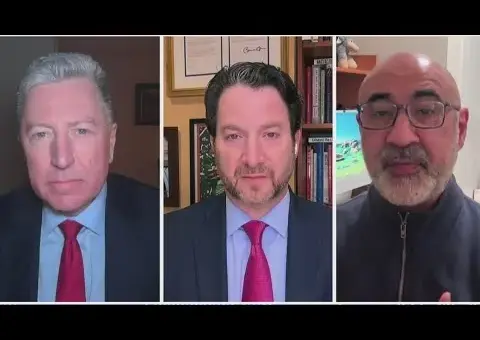
Rising tensions between the U.S. and Iran are creating a volatile geopolitical situation. With conflicting signals on de-escalation and potential shifts in alliances like NATO and U.S.-Israel relations, the path forward remains uncertain. The global economy and regional stability hang in the balance.
Polls Spell Doom: Republicans Face Voter Backlash
New polling data reveals a sharp decline in public confidence regarding the economic impact of Republican policies, particularly under Donald Trump. A significant majority now feel financially worse off, a trend that is especially pronounced among independent voters. This economic discontent poses a major challenge for the Republican party heading into future elections.