Trump Claims Iran Leader Khamenei Dead; Region Fears Instability
President Trump has announced the death of Iran's Supreme Leader, Ayatollah Ali Khamenei, though Iran has not confirmed the news. The potential demise of the long-serving leader raises concerns about regional stability, with neighboring countries fearing destabilization and conflict.

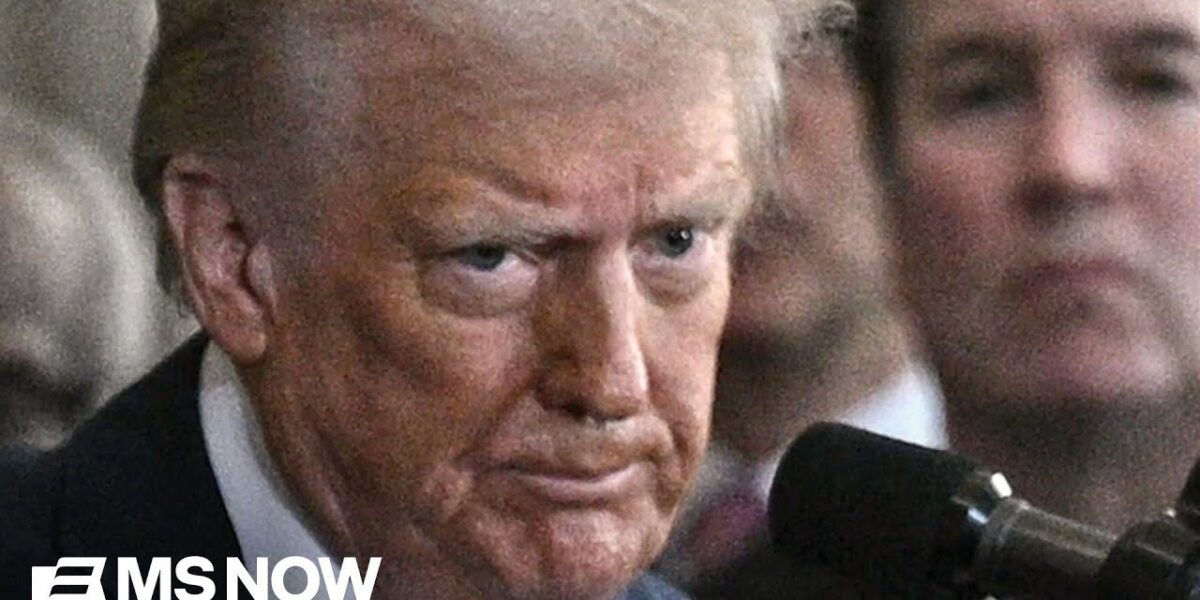
Trump Announces Death of Iran’s Supreme Leader, Khamenei
In a rapidly developing story, U.S. President Donald Trump has announced the death of Iran’s Supreme Leader, Ayatollah Ali Khamenei. The announcement, made on [Date of broadcast, inferred from ‘all day’], has sent ripples across the Middle East and the international community. While President Trump and Israeli government officials have stated that Khamenei is dead, Iran has not yet officially confirmed the reports. This situation unfolds in the early hours of reporting, leaving a critical information vacuum.
A Defining Figure in Modern Iran
Ayatollah Khamenei has been Iran’s Supreme Leader since 1989, making him the second individual to hold this powerful title since the 1979 Iranian Revolution. His tenure, spanning over three decades, has profoundly shaped the modern Islamic Republic of Iran. Khamenei, a Shia Muslim cleric, was a key figure in the revolution and a staunch defender of the regime’s ideology and its often oppressive tactics. His leadership has been characterized by a hardline stance against internal dissent, including democracy activists and women seeking greater rights, and a confrontational foreign policy.
Khamenei’s Ideology and Regional Impact
Khamenei’s ideology posited that the United States and Israel were illegitimate entities. He was the principal architect of the so-called “Axis of Resistance,” a network of Iran-backed armed groups designed to project Iranian influence throughout the region and counter its adversaries. This network includes Hezbollah in Lebanon, the Houthis in Yemen, various militias in Iraq, and Hamas in Gaza. Under his leadership, Iran also cultivated strategic alliances with Russia and China, aiming to challenge perceived U.S. unipolar influence in the Middle East.
A History of Suppressing Dissent
The transcript highlights Khamenei’s role in authorizing the use of deadly force to quell protests within Iran. These demonstrations, viewed by the government as anti-regime actions, have seen significant crackdowns. Estimates suggest thousands may have been killed in a wave of protests in recent times, following a similar pattern of suppression seen during earlier unrest in 2022. This approach contrasts sharply with how other nations navigated the Arab Spring uprisings, some of which led to the toppling of governments.
Succession Plans and Regional Fears
Experts suggest that a crucial element to watch is the succession plan Khamenei may have put in place. Having been a dominant figure for much of the Islamic Republic’s 47-year history, his imprint on the regime is deep. “The Islamic Republic has been in power… for 47 years… and he’s been in power for… closer part to 37 of those years,” noted one analyst. The concern is whether this plan will be executed smoothly or if it could lead to internal power struggles. Furthermore, the immediate Iranian response to recent strikes by the U.S. and Israel might have been a pre-planned action, irrespective of Khamenei’s status.
Regional Instability a Major Concern
While some officials aligned with President Trump may welcome Khamenei’s demise, regional leaders express significant apprehension. “I have not spoken to a single person in the Arabian Gulf and the Persian Gulf who has come out and said to me that they wanted to be afraid of is destabilization, is war, is a refugee crisis that would overwhelm these small Persian Gulf monarchies,” stated one expert. The fear is that Iran’s potential implosion could trigger a civil war, fragmentation of society, and a surge of refugees, mirroring the devastating consequences seen in neighboring countries like Syria, which experienced prolonged conflict, the rise of ISIS, and a massive influx of refugees into Europe.
Preference for Evolution Over Revolution
Many in the region, particularly in the Persian Gulf monarchies, would have preferred a more gradual “evolution” of Iran into a modern nation-state rather than a violent upheaval. The potential for widespread bloodshed and sectarian violence is a primary concern. The current situation, marked by uncertainty and unconfirmed reports, exacerbates these fears, as the region braces for potential retaliatory actions and the unknown consequences of a post-Khamenei era.
Looking Ahead: The Coming Days
The coming 72 hours will be critical in understanding the immediate aftermath of these developments. Key factors to monitor include Iran’s official confirmation or denial of Khamenei’s death, the execution of any succession plans, and the potential for further Iranian retaliation across the region. The international community will be closely watching how the new command and control structure of the Iranian regime operates and whether a period of heightened tension or a new regional dynamic emerges.
Source: 'Watershed development': Ari Melber on Trump announcing death of Iran's supreme leader (YouTube)

Related Articles

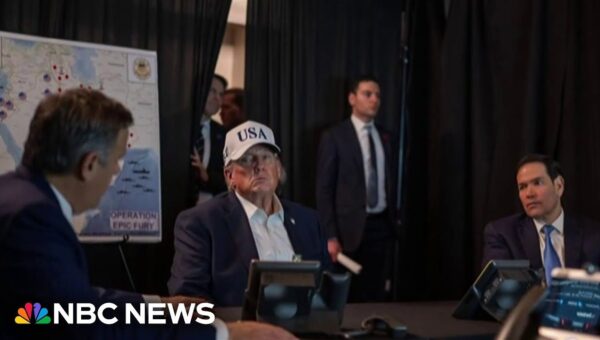
Trump: Iran Strikes Ahead of Schedule, Expects ‘Great Deal for World’
Three U.S. service members have been killed amid escalating conflict with Iran, President Trump confirmed. He stated that strikes are ahead of schedule, with senior Iranian leaders killed, and expressed optimism for a "great deal for the world" despite ongoing talks with Iranian officials.
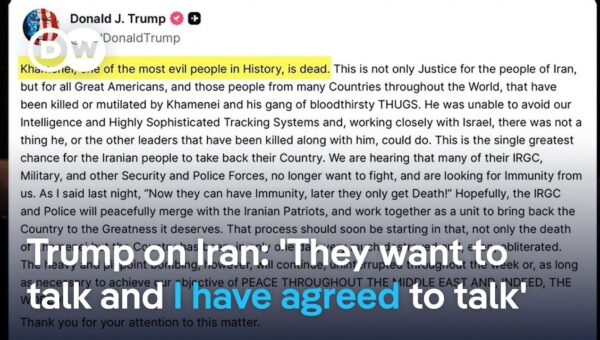
Trump Agrees to Talks with Iran After Major Strikes
President Donald Trump has agreed to talks with Iran's leadership following coordinated strikes that reportedly killed key figures, including the Supreme Leader. While Trump claims significant military successes, U.S. strategy remains unclear, and public opinion shows limited support for the actions amid rising American casualties.

Trump’s Putin Stance: US Strategy and Global Implications
Analysis suggests Donald Trump's approach to the Ukraine war involves pressuring Kyiv, but US involvement is crucial for resolution. China's influence and the 'MAGA' agenda's geopolitical implications are key factors.