Trump Claims Iran Deal Near as Defense Spending Surges
President Trump claims Iran has agreed to halt nuclear weapons development amid ongoing negotiations. Concurrently, the U.S. Pentagon is set to significantly increase munitions production, with plans for troop deployment to the Middle East. Lawmakers are also discussing legislative strategies, including reconciliation bills, to fund defense initiatives.

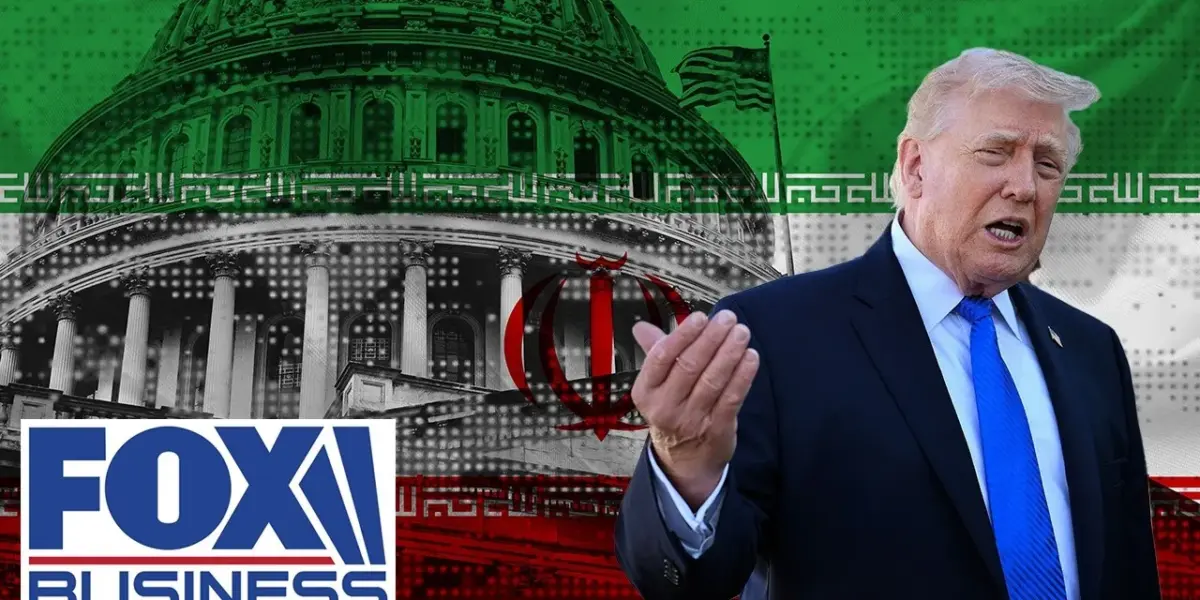
Trump Claims Iran Deal Near as Defense Spending Surges
President Trump announced significant progress in negotiations with Iran, stating that the regime has agreed not to pursue nuclear weapons. This development comes as the U.S. Pentagon is preparing to significantly boost munitions output through new deals with major defense contractors. The administration is also reportedly planning to deploy troops from the 82nd Airborne Division to the Middle East.
Iran Negotiations and a Nuclear Standoff
During recent remarks, President Trump expressed confidence in ongoing talks with Iran. “We’re in negotiations right now,” he stated, adding that the other side “would like to make a deal.” A key point of contention, Iran’s pursuit of a nuclear weapon, appears to have been resolved according to the President. “They’ve agreed they will never have a nuclear weapon; they agreed to that,” Trump claimed.
These negotiations are reportedly being facilitated with the help of Turkey, Egypt, and Pakistan, who are taking the lead in brokering a potential peace deal. The U.S. has presented Iran with a 15-point plan, and reports suggest negotiators are working towards a one-month ceasefire. This diplomatic push is occurring against a backdrop of increased military readiness.
Defense Spending and Troop Deployment
In parallel with diplomatic efforts, the Pentagon announced new defense deals aimed at increasing U.S. munitions stockpiles. Agreements with BAE Systems, Lockheed Martin, and Honeywell are intended to boost production. This buildup is further underscored by plans to deploy troops from the 82nd Airborne Division to the Middle East, with a rapid response unit and Marines expected to arrive soon. This military posture is in part a response to a potential deadline related to Iran reopening the Strait of Hormuz.
Congressional Support for Defense
Members of Congress have voiced support for the increased defense spending. U.S. Representative Lisa McClain, Chairman of the House Republican Conference, affirmed her intention to support the Pentagon’s request for $200 billion to fund operations. “We have to support our troops, we have to support our men and women putting their lives in danger to keep Americans safe every day,” McClain said. While expressing hope that U.S. troops would not need to be directly involved on the ground, she praised President Trump’s approach of “peace through strength” and his ability to broker deals.
McClain highlighted the administration’s focus on key issues concerning Iran. “For 47 years, everyone says my goodness, stakes Iran can’t have a nuclear weapon, and everyone tiptoed around it. This President does anything but tiptoeing around,” she remarked. She pointed to the administration’s success in targeting Iranian military assets, stating, “47 ships another bottom of the ocean, make sure they don’t have ballistic missile launchers, pretty much decimated those. Look at missile launches down dramatically.”
Reconciliation and Legislative Strategies
Discussions are also underway regarding legislative strategies to fund these defense initiatives. House Budget Committee Chairman Arrington is reportedly exploring the use of a second reconciliation bill to secure the $200 billion in supplemental funding for ongoing conflicts. Reconciliation is a special Senate procedure that allows certain bills to pass with a simple majority vote, bypassing the need for broader bipartisan support.
This legislative approach is also being considered for other policy goals, including immigration enforcement and the proposed SAVE Act, which aims to enhance election security. While the SAVE Act might not traditionally fit reconciliation’s budgetary focus, lawmakers are considering ways to reframe it as a budgetary issue, potentially by tying it to funding for states to implement new provisions. “We have to recast it, you have to change it and make it into a budgetary issue,” one representative explained.
The strategy involves finding creative ways to include measures like the SAVE America Act, potentially by linking them to government funding or state implementation costs. The goal is to put Democrats on record regarding election integrity measures. “I think everybody wants to do the right thing to keep America safe, Americans safe, put more money in their wallets, at the same time,” one lawmaker stated optimistically about reaching an agreement.
Market Impact and Investor Outlook
The unfolding situation presents a complex mix of geopolitical diplomacy and increased defense spending. The potential for a de-escalation with Iran, if confirmed, could reduce regional uncertainty, which is generally positive for global markets. However, the simultaneous surge in defense spending indicates continued global security concerns and a commitment to bolstering military capabilities.
Investors will be watching closely for confirmation of the Iran deal and the specifics of the defense spending increase. Companies within the defense sector, such as Lockheed Martin and BAE Systems, may see increased order flow. The broader market implications will depend on how these developments affect oil prices, regional stability, and overall investor sentiment regarding geopolitical risk.
“We have to support our troops, we have to support our men and women putting their lives in danger to keep Americans safe every day.”
Source: Trump makes BOMBSHELL Iran claim as weekend deadline closes in (YouTube)

Related Articles


Stocks Ignore War Risks, Focus on “Taco Moments”
Stock markets appear to be overlooking the severe supply chain risks stemming from the Iran conflict, focusing instead on potential diplomatic de-escalations. While the S&P 500 shows resilience, bond and commodity markets signal deep concern over disruptions to critical resources like LNG, helium, and fertilizers.

U.S. Iran Tensions Rise Amid Shifting Alliances
Rising tensions between the U.S. and Iran are creating a volatile geopolitical situation. With conflicting signals on de-escalation and potential shifts in alliances like NATO and U.S.-Israel relations, the path forward remains uncertain. The global economy and regional stability hang in the balance.


Iran Targets US With Cyberattacks, Escalating Digital Warfare
Iran is increasingly using cyberattacks to challenge the U.S., as seen in a recent hack of the FBI director's account. Experts say this is a strategic shift due to Iran's limitations in conventional warfare. The U.S. needs to strengthen its digital defenses, focusing on encryption and cloud computing, rather than solely relying on traditional security measures.