Trump Claims Iran Deal; Analysts Urge Caution
Former President Donald Trump's claims of a breakthrough in Iran negotiations have been met with swift denial from Tehran, raising concerns about market manipulation and the reliability of information during international crises. The situation highlights the delicate balance between diplomacy and potential conflict.

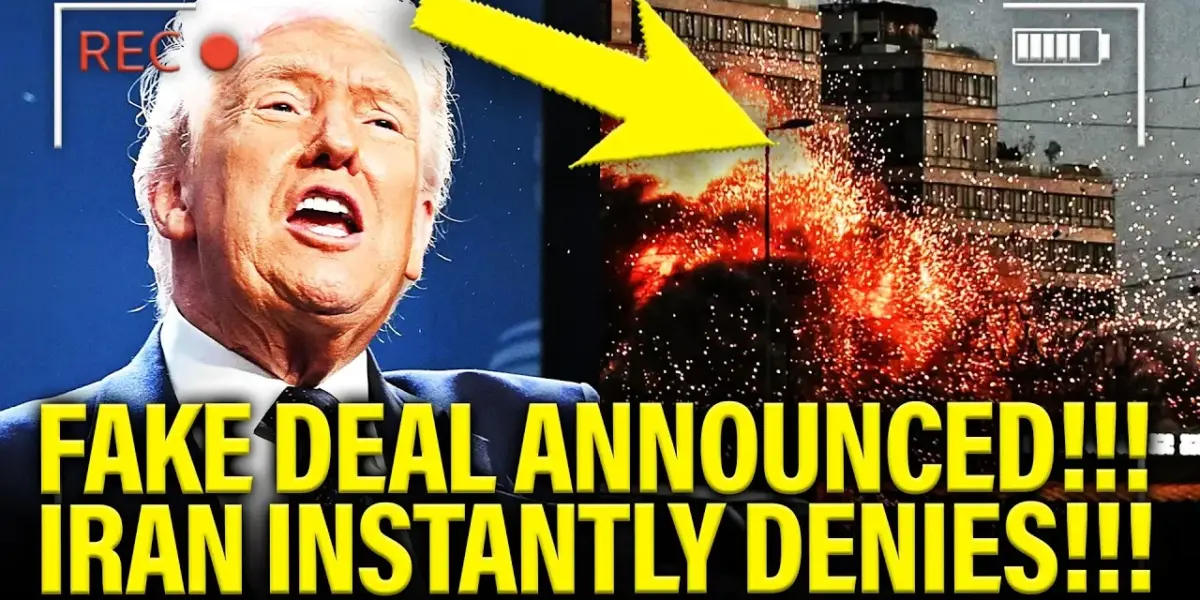
Markets Stabilize Amidst Unverified Claims of Iran Peace Talks
In a move that sent shockwaves through financial markets, former President Donald Trump announced claims of progress in negotiations aimed at resolving hostilities with Iran. This announcement, made amidst rising global tensions and fears of an impending conflict, appeared to temporarily calm volatile markets. However, the veracity of these claims has been swiftly questioned, with Iran itself denying any direct or indirect communications with Trump or his administration.
The Ultimatum and the Alleged Breakthrough
The situation escalated when Trump reportedly issued a 48-hour ultimatum to Iran, demanding control over the Strait of Hormuz. The threat included severe military action against Iran’s energy infrastructure if the demand was not met. Iran responded with a strong warning, threatening retaliation against surrounding Arab nations’ economic centers if its energy facilities were targeted. This created a tense deadline, with the world watching to see if Trump would follow through on his threat, which many considered a potential war crime.
Instead of military action, Trump posted on social media, stating that the U.S. and Iran had engaged in “very good and productive conversations” over the preceding two days. He claimed these discussions were focused on a “complete and total resolution of our hostilities.” Based on this, he reportedly instructed the Department of War to postpone any military strikes for a five-day period, contingent on the success of ongoing talks.
Iran’s Swift Denial and Media Skepticism
The Iranian government, through its state media channels, immediately refuted Trump’s assertions. Iran denied any direct or indirect communication with Trump, suggesting his statements were an attempt to buy time and de-escalate pressure. Iranian officials stated that Trump’s withdrawal from strike threats followed their firm warning of retaliation. They characterized Trump’s comments as psychological warfare, aimed at manipulating the situation.
This stark contradiction led to widespread skepticism. Prominent journalists and analysts expressed concern, with some noting the unsettling reality of questioning their own government’s statements over those of the perceived adversary. The Wall Street Journal’s editor-at-large, Gerard Baker, commented that Americans in wartime were in the “unprecedented position of having to suspect that the enemy’s version of events is more likely to be true than our own.”
Market Manipulation Concerns
The timing of Trump’s announcement, just before market closures, fueled speculation of market manipulation. Reports indicated that oil prices and treasury yields were experiencing significant swings before Trump’s statement, which then led to some stabilization. Critics suggest this pattern—making claims of de-escalation to influence markets, followed by potential renewed threats after market closes—is a recurring tactic.
Trump himself, when pressed by reporters on the tarmac as he departed Florida, reiterated claims of “very, very strong talks” and “major points of agreement,” suggesting that the communication breakdown was preventing full disclosure. He also mentioned that individuals like Steve Witkoff and Jared Kushner were involved in these discussions, which he described as going “perfectly” and potentially resolving the conflict.
Unrealistic Proposals and Lack of Detail
Further details emerging from Trump’s remarks raised eyebrows. He suggested that a potential resolution would involve joint control of the Strait of Hormuz, with himself and the Ayatollah sharing authority. He also spoke of a “very serious form of a regime change” in Iran, implying that new, more reasonable leaders might emerge.
When asked for specifics on the points of agreement, Trump cited Iran’s commitment to never possess nuclear weapons as a primary achievement, a point that Iran has historically maintained. However, the lack of concrete details and the outlandish nature of some proposals, like joint control of a vital waterway with the Ayatollah, led many to question the substance of these claims. Critics pointed out the absurdity, comparing it to something a child might invent.
Economic and Political Implications
The situation also highlighted significant policy disagreements. Trump’s request for a $200 billion supplemental fund, even while claiming a war was ending, drew criticism. Opponents argued that such funds could be better used for domestic needs, such as healthcare or education, which they claim have been underfunded due to government cuts.
The transcript also touches upon Trump’s personal attacks on individuals who have voiced dissent, such as former intelligence official Joe Kent. These attacks, often targeting personal circumstances, are seen by critics as a deflection tactic and a pattern of behavior that prioritizes personal loyalty over policy substance.
Why This Matters
This incident underscores the critical importance of reliable information during times of international tension. When official statements are met with immediate denials from involved parties, it creates uncertainty and distrust. For financial markets, such ambiguity can lead to extreme volatility, impacting economies globally. Furthermore, the potential for miscalculation or deliberate misinformation in matters of war and peace carries immense risks for global security and human lives.
Historical Context and Future Outlook
The ongoing tensions between the U.S. and Iran have a long and complex history, marked by shifting alliances, economic sanctions, and military standoffs. Trump’s approach has often involved direct, sometimes confrontational, rhetoric, followed by attempts at negotiation or de-escalation. This pattern, as seen in the events described, can create a volatile cycle of escalation and de-escalation, making long-term stability difficult to achieve.
The future outlook remains uncertain. The effectiveness of any potential diplomatic solution hinges on genuine communication and mutual trust, which appear to be severely lacking in this instance. The reliance on unverified claims and the rapid denial by Iran suggest that a genuine resolution is far from imminent. The international community will likely continue to monitor the situation closely, seeking credible information amidst the conflicting narratives.
Source: Trump PANICS and LIES He MADE DEAL TO END WAR!!! (YouTube)

Related Articles


Iran Targets US With Cyberattacks, Escalating Digital Warfare
Iran is increasingly using cyberattacks to challenge the U.S., as seen in a recent hack of the FBI director's account. Experts say this is a strategic shift due to Iran's limitations in conventional warfare. The U.S. needs to strengthen its digital defenses, focusing on encryption and cloud computing, rather than solely relying on traditional security measures.

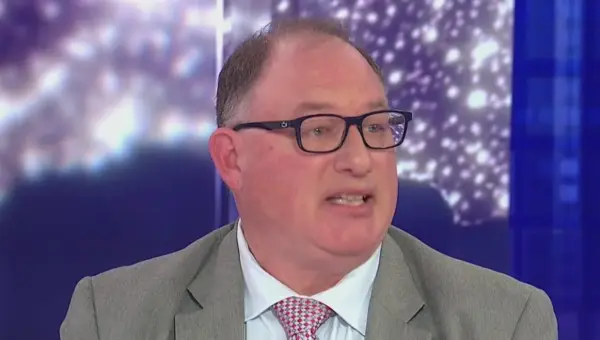
Iran Hacks FBI Chief, Exposing U.S. Cyber Vulnerabilities
A recent hack of FBI Director Kash Patel's personal email by an Iran-linked group highlights Iran's growing cyber threat to the U.S. Experts explain how simple security oversights are exploited, emphasizing the need for basic defenses like two-factor authentication to protect against propaganda and potential infrastructure attacks.
Ukraine Strikes Russian Oil Refinery, Eyes Iran Threat
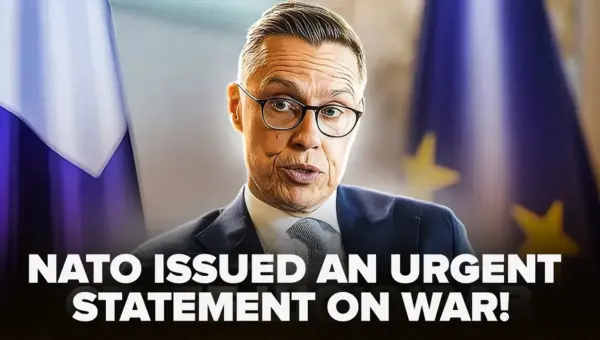
Ukrainian forces struck a key Russian oil refinery, disrupting Moscow's war capabilities. Meanwhile, Finland's president urged continued U.S. support for Ukraine, as Kyiv shares its air defense expertise globally amid growing geopolitical complexities involving Iran and potential sanctions against Hungary.