Trump Claims He ‘Might Have Forced Israel’s Hand’ on Iran Strikes
Former President Donald Trump claimed he may have influenced Israel's decision to strike Iran, suggesting it was a preemptive move against an imminent attack. He stated that based on negotiations, he believed Iran was planning to strike first and that his actions might have compelled Israel to act.

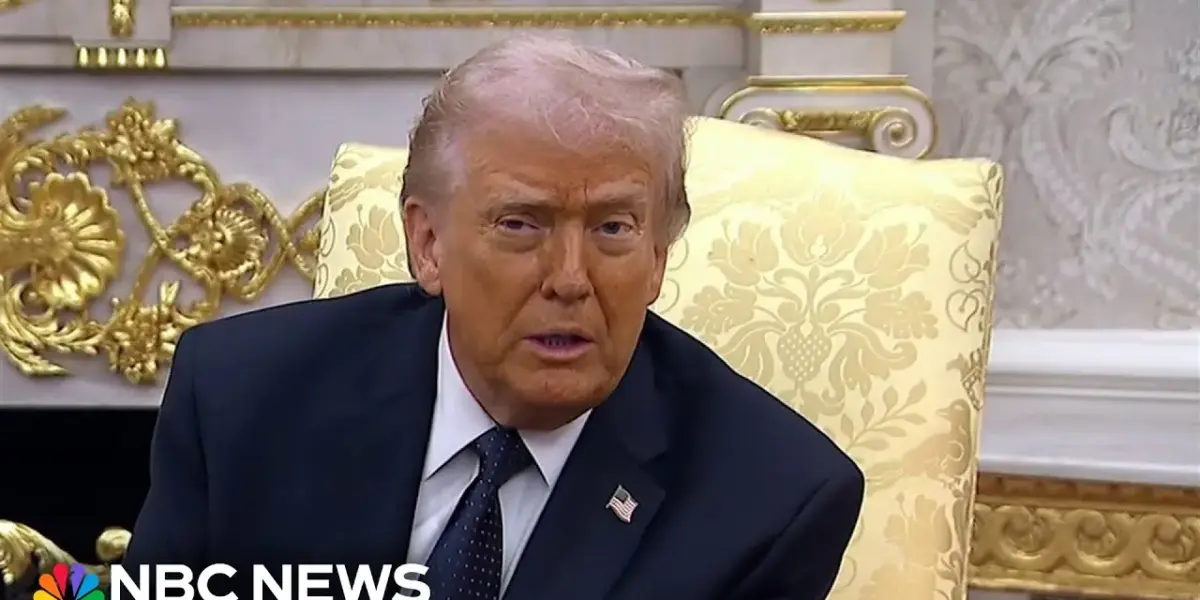
Trump Suggests Preemptive Action Against Iran
Former President Donald Trump has asserted that he may have influenced Israel’s decision to launch strikes against Iran, suggesting that such action was preemptive and necessary to prevent an imminent Iranian attack. Speaking in response to questions about whether Israel had “forced his hand” into engaging in hostilities with Iran, Trump stated, “No, I might have forced their hand.” He elaborated that his administration was engaged in negotiations with what he described as “lunatics,” and based on the trajectory of these talks, he believed Iran was poised to attack first. Trump emphasized his strong conviction that inaction would have led to an Iranian offensive, and he did not want to see that occur.
Negotiations and Perceived Threats
Trump detailed his perspective on the diplomatic efforts, praising his negotiating team as “great people” who have a history of success. However, he perceived the situation with Iran as dire, leading him to believe that an attack was inevitable if the United States did not act. “Based on the way the negotiation was going, I think they were going to attack first,” Trump stated, explaining his rationale for potentially influencing Israel’s decision to strike preemptively. He suggested that his actions, or the potential for them, might have compelled Israel to act sooner rather than later.
Impact of Strikes on Iranian Capabilities
The former President claimed that the strikes, whether initiated by the U.S. or influenced by its stance, had a “very, very powerful impact” on Iran’s military capabilities. He asserted that “virtually everything they have has been knocked out” and that Iran’s missile capacity is now significantly reduced. Trump also expressed surprise at Iran’s actions, noting that they were targeting countries he characterized as “neutral” and with whom they had coexisted for a long time. This observation seemed to indicate a perceived shift in Iran’s strategic behavior, which caught him off guard.
Broader Implications and Geopolitical Context
Trump’s remarks offer a unique, albeit self-serving, perspective on the complex geopolitical dynamics between the United States, Israel, and Iran. His suggestion that he could “force Israel’s hand” implies a level of control or influence over Israeli military decisions that is rarely publicly acknowledged. This statement could be interpreted as an attempt to project strength and assert American dominance in the region, even after his presidency. It also raises questions about the extent of U.S.-Israeli coordination on matters of national security and foreign policy, particularly concerning Iran.
The context of these comments is crucial. Iran has been a significant point of contention for successive U.S. administrations, particularly following the 2015 Joint Comprehensive Plan of Action (JCPOA) and its subsequent withdrawal by the Trump administration. Iran’s nuclear program, its ballistic missile development, and its support for regional proxy groups have been primary concerns for both the U.S. and Israel. Trump’s framing of the situation suggests a belief in the efficacy of aggressive, preemptive action over prolonged diplomatic engagement, particularly when dealing with adversaries he deems untrustworthy.
Furthermore, Trump’s characterization of the negotiating partners as “lunatics” reflects his consistent rhetoric towards adversaries, often employing strong and dismissive language. This approach to diplomacy, often termed “maximum pressure,” was a hallmark of his foreign policy. His comments suggest that he believed this strategy, coupled with the threat of military action, was the most effective way to deter Iranian aggression.
Future Outlook
Trump’s statements, made in the context of ongoing regional tensions, highlight the persistent challenges in managing the Iran threat. His assertion that he might have influenced Israel’s actions underscores the intricate relationship between the two nations and their shared security interests. As the region continues to navigate these complex security challenges, future U.S. policy towards Iran, and the degree of U.S.-Israeli alignment on this critical issue, will remain areas of intense scrutiny. The effectiveness of preemptive strategies versus diplomatic solutions will likely continue to be debated as events unfold.
Source: Trump says he 'might have forced Israel's hand' in striking Iran first (YouTube)

Related Articles
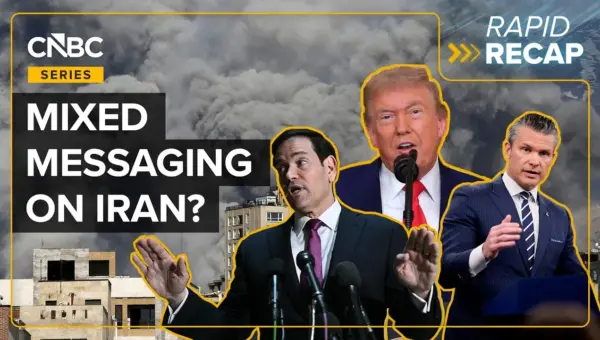
Iran Tensions Flare: US Vows “Annihilation” Amid Nuclear Fears
The Trump administration has adopted an aggressive tone towards Iran, vowing military action and highlighting concerns over the nation's nuclear ambitions. Officials cited "imminent threats" and Iran's development of missiles and drones as justifications for a preemptive stance.
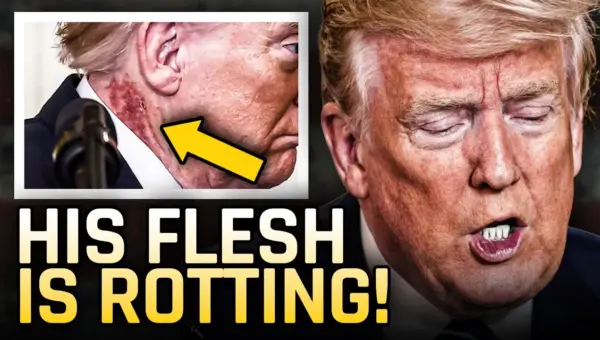
Trump’s Visible Decay: A Nation’s Unanswered Health Questions
Donald Trump's recent public appearance, marked by a prominent neck lesion and persistent hand bruising, has sparked widespread speculation about his health. While the White House offers a vague explanation, the lack of transparency fuels concerns about underlying issues.
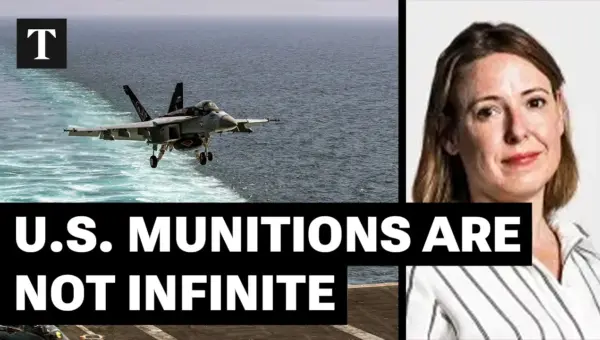
US Munitions Finite, Trump Claims Mislead Analysts
Analysis reveals that despite former President Trump's claims, U.S. munitions are not infinite, posing strategic challenges. UK forces successfully downed a drone, highlighting ongoing global security concerns and the costly economics of modern drone warfare.