Trump Cites Iran Election Interference for US Military Action
President Trump has cited Iran's alleged election interference as justification for military action, a move critics label a "wag the dog" tactic to distract from domestic issues. Concerns are mounting over a leaked memo suggesting executive orders to grant sweeping powers over voting, potentially linked to election fraud claims.

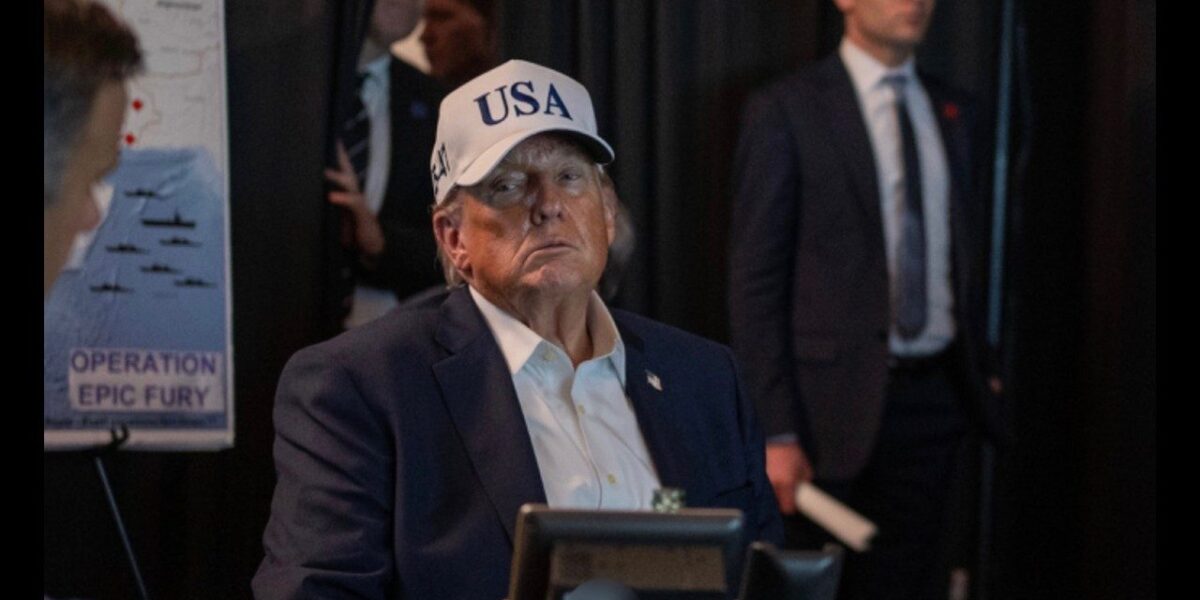
Trump Claims Iran Election Interference as Justification for Military Strikes
In a move that has sent ripples through the international political landscape, President Donald Trump has publicly cited Iran’s alleged interference in the 2020 and 2024 US elections as a primary reason for renewed military operations against the nation. The assertion, made via his social media platform Truth Social, linked to an article from Just the News, presents a controversial justification for escalating tensions with Tehran.
“Wag the Dog” Theory and Domestic Unpopularity
Analysts suggest that this justification serves a dual purpose, a tactic often referred to as “wag the dog.” President Trump faces significant domestic challenges, including low approval ratings, unfulfilled campaign promises on cost reduction, and ongoing scandals. His administration’s immigration policies, particularly concerning ICE, have also proven unpopular, to the extent that the topic was notably absent from a recent State of the Union address. The military action against Iran, framed through the lens of election security, could serve as a distraction from these domestic vulnerabilities.
“In order to get elected, Barack Obama will start a war with Iran,” Trump stated in a 2011 post. He reiterated similar sentiments in subsequent years, suggesting that a war with Iran would be used politically. “I always said Barack Obama will start a war with Iran in some form prior to the election.”
Legitimizing Election Fraud Claims and Executive Power
Beyond distraction, the second prong of this strategy, according to critics, is to legitimize Trump’s persistent claims of election rigging. By framing the conflict as a response to foreign interference aimed at undermining his electoral prospects, the war could serve as a pretext to assert extraordinary powers. This, in turn, could be used to justify changes to election rules or procedures in future elections, potentially in 2026 and beyond. This concern is amplified by the circulation of a White House memo detailing a draft executive order that would grant significant presidential power over voting processes.
Concerns Over “Bonkers” Memo and Democratic Threats
Mark Elias, a legal expert consulted on the matter, described the memo as “bonkers,” highlighting its dubious legal foundation. The draft executive order reportedly suggests that under existing federal statutes, such as the National Emergencies Act and the International Emergency Economic Powers Act, the President could declare an emergency to disrupt voting, prohibit certain equipment, or ban mail-in ballots. Elias pointed out the irony that the latter statute, the International Emergency Economic Powers Act, was previously used by Trump for imposing tariffs, a move later deemed unauthorized by the Supreme Court.
“This memo is bonkers. I mean, let’s just like lay it out at the beginning that that nothing I’m about to describe makes any sense,” Elias stated. “This is a bonkers memo. But look, it was only a few weeks ago that Donald Trump posted on social media… ‘I have searched the depths of legal arguments not yet articulated or vetted on this subject and will be presenting an irrefutable one in the very near future.'”
Elias expressed alarm that the legacy media is treating such proposals with undue seriousness, potentially legitimizing what he described as an “authoritarian takeover” or the actions of a “wannabe dictator.” He vowed to challenge any such executive order legally, citing past successes in blocking similar attempts by the Trump administration.
Broader Implications and Authoritarian Ambitions
The confluence of military action abroad and the alleged consolidation of domestic electoral power raises significant concerns about President Trump’s long-term political strategy. Critics argue that his actions are driven by a singular focus on self-preservation and the retention of power, rather than genuine foreign policy or democratic ideals. The use of national security as a pretext for expanding presidential authority over elections is seen as a dangerous precedent, potentially undermining democratic institutions.
What to Watch Next
Moving forward, the focus will be on the continued military engagement with Iran and the potential ramifications for regional stability. Simultaneously, the legal and political challenges surrounding the draft executive order on voting powers will be closely monitored. The response from Congress, the judiciary, and the public to these developments will be crucial in shaping the future of American democracy and its role on the global stage.
Source: BOMBSHELL reason for Trump’s Iran attack SURGES into news (YouTube)

Related Articles
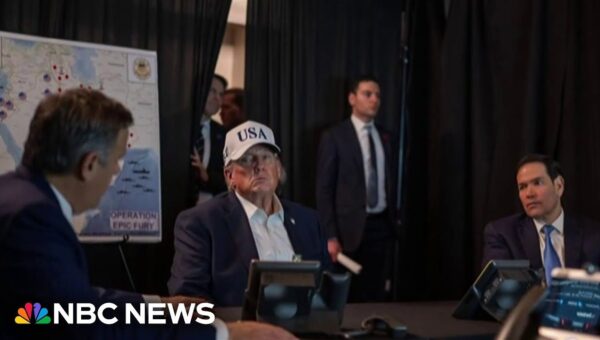
Trump: Iran Strikes Ahead of Schedule, Expects ‘Great Deal for World’
Three U.S. service members have been killed amid escalating conflict with Iran, President Trump confirmed. He stated that strikes are ahead of schedule, with senior Iranian leaders killed, and expressed optimism for a "great deal for the world" despite ongoing talks with Iranian officials.
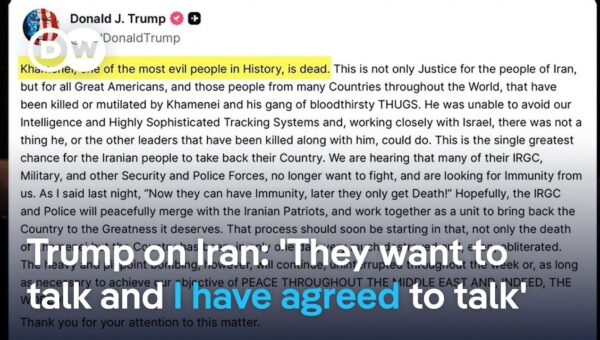
Trump Agrees to Talks with Iran After Major Strikes
President Donald Trump has agreed to talks with Iran's leadership following coordinated strikes that reportedly killed key figures, including the Supreme Leader. While Trump claims significant military successes, U.S. strategy remains unclear, and public opinion shows limited support for the actions amid rising American casualties.
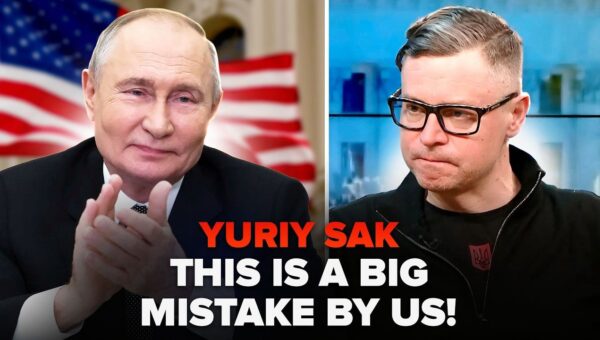
Trump’s Putin Stance: US Strategy and Global Implications
Analysis suggests Donald Trump's approach to the Ukraine war involves pressuring Kyiv, but US involvement is crucial for resolution. China's influence and the 'MAGA' agenda's geopolitical implications are key factors.