Trump Challenges Birthright Citizenship, Targets Mail-In Voting
President Trump is implementing new measures to tighten mail-in voting security and is set to attend a Supreme Court argument on birthright citizenship. The actions aim to verify voter eligibility and question automatic citizenship for children of non-citizens, sparking debate over election integrity and the definition of citizenship.

Trump Acts on Voting and Citizenship
President Trump is taking significant steps to change how elections are run and who can claim U.S. citizenship. He recently signed an executive order to make mail-in voting more secure. This order aims to make sure only U.S. citizens can vote by mail. Lists of eligible voters will be checked by the Department of Homeland Security and the Social Security Administration.
The order also tells the U.S. Postal Service to take strong actions. They must make sure ballots go only to people who are allowed to vote. Ballots sent back must also be handled correctly. The Postal Service will put unique barcodes on each ballot envelope. This will help track them and allow for audits.
The Attorney General and other department heads are told to send any evidence of rule-breaking to the Department of Justice for investigation. Administration officials say this order, called “Ensuring Citizenship Verification and Integrity in Federal Elections,” will help people trust elections again. However, not everyone agrees. Critics, like Democratic Senator Alex Padilla, call the order an unconstitutional overreach of power. California Governor Gavin Newsom also warned of legal battles, calling the order illegal.
Birthright Citizenship in Focus
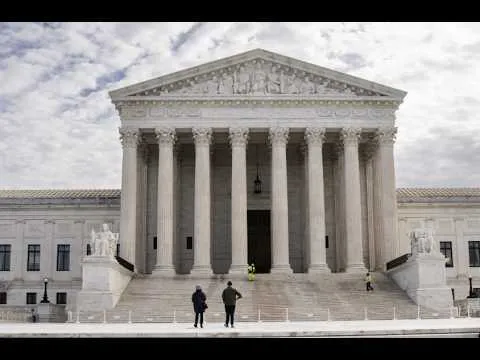
At the same time, President Trump is set to attend a Supreme Court hearing about birthright citizenship. This case deals with an earlier executive order. It aimed to stop children of illegal immigrants and temporary visitors from automatically getting U.S. citizenship just by being born here. Lower courts have already blocked this order.
White House Associate Counsel Gratzella Pastor explained that many people believe the issue of birthright citizenship is already settled. She argues that President Trump’s position is not as radical as some claim. Pastor stated that the Supreme Court has never officially decided this specific question in the nation’s history.
Historical Context of Birthright Citizenship
Pastor believes the Citizenship Clause of the 14th Amendment was originally meant to grant citizenship to formerly enslaved people. She argues it was not intended for the children of those living in the country illegally. The Constitution says U.S. citizenship is for those born or naturalized in the U.S. and subject to its laws.
Pastor suggests that “subject to its jurisdiction” means a person owes their main loyalty to the United States, not another country. President Trump also commented on this issue on his social media platform, Truth Social. He said birthright citizenship should apply to the children of freed slaves, not to wealthy individuals from other countries whose children become American citizens. He called this a “great scam of our time.”
Why This Matters
These actions by President Trump raise fundamental questions about voting rights and who is considered a citizen. The executive order on mail-in voting could significantly change how millions of Americans cast their ballots, especially in close elections. The debate over birthright citizenship touches on the very definition of American identity and could have long-lasting legal and social impacts.
Implications and Future Outlook
The legal challenges to both executive orders are expected to be significant. If the birthright citizenship order makes it through the courts, it could affect families across the country. It would also set a new precedent for how citizenship is granted. The changes to mail-in voting could lead to increased scrutiny and potentially different voting experiences for citizens.
The administration’s focus on election integrity and citizenship verification suggests a broader strategy. This strategy aims to reshape how American democracy functions. The outcomes of these legal battles will likely shape political discourse and policy for years to come. They could also influence future elections and immigration policies.
The differing views on these issues highlight a deep division in the country. Supporters see these measures as necessary to protect the integrity of elections and national sovereignty. Opponents view them as attempts to suppress votes and unfairly target immigrant communities.
Source: Trump to Attend Birthright Citizenship Argument at Supreme Court (YouTube)

Related Articles
Trump’s Voting Order Faces Swift Legal Attack
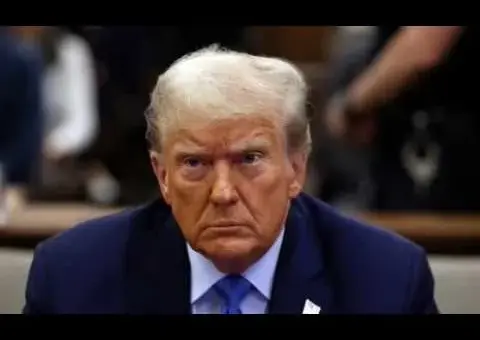
A new executive order by Donald Trump restricting mail-in voting faces a swift legal challenge from lawyer Mark Elias. The lawsuit argues the order is unconstitutional and aims to prevent its implementation before it can disenfranchise voters.

GOP Lawmaker Demands ‘Aggressive’ AG Replacement
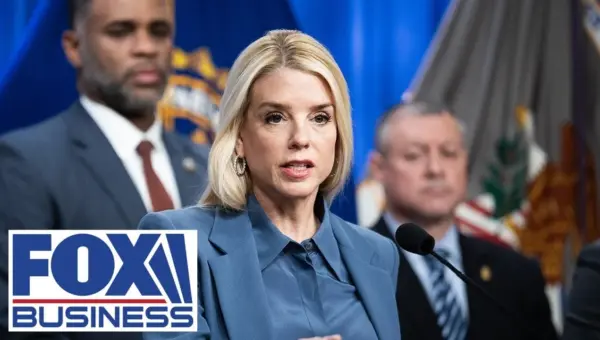
GOP lawmakers are divided over border security funding as one representative calls for a more "aggressive" Attorney General. The debate over funding and the upcoming replacement for AG Pam Bondi highlight internal party struggles. Meanwhile, concerns about birthright citizenship and FEMA's low disaster fund add to the political landscape.

Iran’s Regime Faces Pressure as US Focuses Inward
The U.S. faces a dual challenge: navigating complex foreign policy in Iran while grappling with deep domestic political divisions. The administration's strategy towards Iran is under scrutiny, with questions about its clarity and effectiveness. Simultaneously, the Supreme Court is hearing a pivotal case on birthright citizenship, potentially reshaping constitutional law.