Trump Celebrates Bridge Strike Amid War Crime Concerns
The U.S. destroyed a major bridge near Tehran, prompting accusations of war crimes. President Trump celebrated the strike online. Experts question the legality and strategic value of targeting civilian infrastructure, warning of a dangerous escalation.

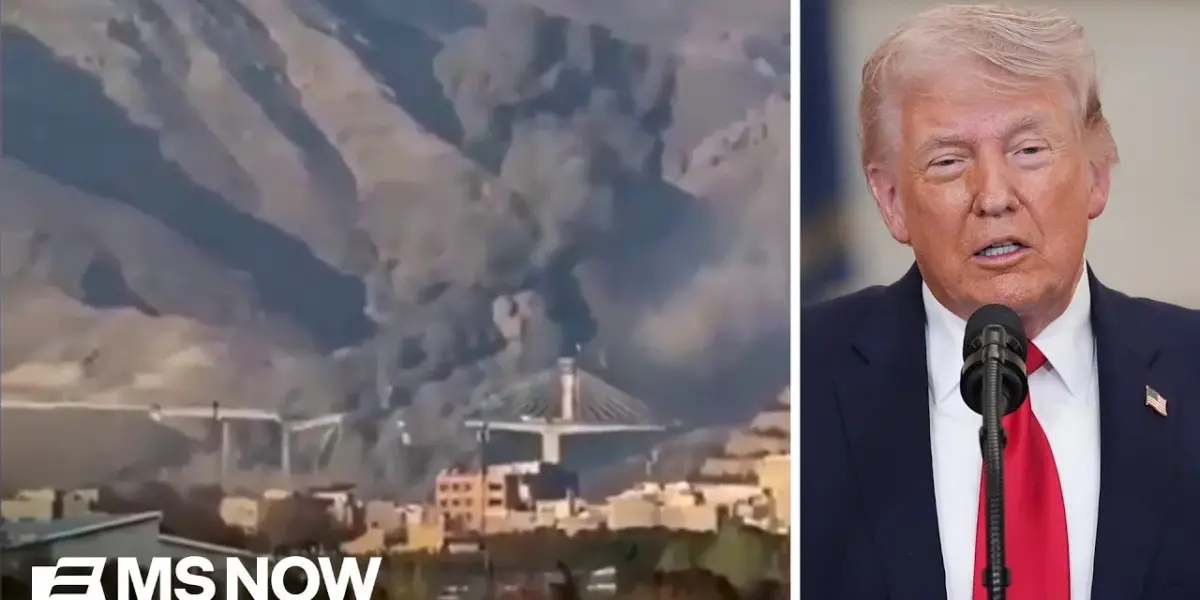
US Bombs Civilian Bridge in Iran, Sparks War Crime Debate
President Donald Trump posted a video on social media celebrating a U.S. strike that destroyed a major bridge near Tehran, Iran. The strike, which reportedly occurred around lunchtime, has raised serious questions about potential war crimes. Iranian state media claims eight people died and 95 were injured in the attack, though these numbers have not been independently verified.
Key Details of the Strike
The U.S. military reportedly carried out two strikes to demolish one of the Middle East’s largest bridges. This action is particularly controversial because of the bridge’s status. U.S. officials told Axios that they believed the bridge was open to traffic. However, Iran’s Foreign Minister stated the bridge was still under construction and not yet open for public use. This detail is crucial because intentionally targeting civilian infrastructure is considered a war crime under international law.
The ‘Dual Use’ Argument and Its Limits
International laws of war allow for targeting civilian infrastructure if it is deemed ‘dual use’ – meaning it serves both civilian and military purposes. A bridge, for instance, could be a legitimate target if military forces are using it to move weapons or troops. However, the justification provided so far by anonymous U.S. defense officials is that the strikes aimed to stop the Iranian armed forces from moving weapons across the bridge. This raises concerns about the U.S. adopting a broad interpretation of ‘dual use,’ potentially deeming any civilian structure that *could* be used by the military as a fair target.
“So it’s now the position of the United States that it can bomb any civilian target that could hypothetically be used by the military in the future. That is some Orwellian logic.”
Broader Threats and Escalation
The attack on the bridge follows earlier threats made by President Trump. Just days prior, Trump had threatened to destroy Iran’s electrical and water desalination plants. In a recent address, he reinforced these threats, stating that strikes would leave Iranians with “even a small chance of survival or rebuilding.” Trump’s social media post about the bridge strike, which included the caption “much more to follow,” suggests a potential pattern of targeting civilian infrastructure.
Expert Analysis: Lack of Strategy and Legal Concerns
Ben Rhodes, former Deputy National Security Advisor under President Obama, expressed significant concerns about the U.S. actions and rhetoric. He questioned the strategic purpose of bombing civilian infrastructure, suggesting it does not align with stated goals like addressing Iran’s nuclear program or supporting democratic movements within Iran. Rhodes argued that Trump’s threats to destroy power and water facilities are direct threats of war crimes, similar to actions criticized when carried out by Russia in Ukraine.
Rhodes warned that committing war crimes creates a dangerous “slippery slope.” He noted that when established laws of war are disregarded, it can lead to a race to the bottom, where all sides engage in similar tactics. The current situation, with actions by Israel, Iran, and the U.S., coupled with Iran’s responses, points towards a breakdown in the adherence to international laws of conflict. Rhodes emphasized that innocent civilians are the ones who ultimately suffer the most when these laws are ignored.
Looking Ahead
The coming days will be critical in determining the U.S. response to any further actions by Iran and whether the international community will address the potential war crimes committed. Continued civilian infrastructure attacks could lead to severe humanitarian consequences and further destabilize the region. The focus will be on whether the U.S. maintains its current stance or revises its approach in light of legal and strategic implications.
Source: War crimes questions follow Trump's efforts to pressure Iran on shipping (YouTube)

Related Articles

Trump Fires Top General, AG Amidst War and Political Turmoil
President Donald Trump has reportedly fired Army Chief of Staff General Randy George amidst the ongoing war in Iran. Simultaneously, Attorney General Pamela Bondi has been dismissed, continuing a trend of high turnover in the Justice Department. The role of Acting Attorney General has been filled by Todd Blanche, Trump's former personal defense lawyer.


Pam Bondi Ousted After Epstein Files Undermine Her Role
Pam Bondi has left her role as Attorney General, a departure closely tied to the ongoing controversy surrounding the Jeffrey Epstein files. Her tenure was marked by a bizarre public defense involving the Dow Jones, and her inability to effectively manage the release of sensitive documents.

Trump War Spending Sparks Outrage: Cuts to Social Programs Feared
An accidentally released White House video has revealed Donald Trump's views on prioritizing military spending over domestic needs like childcare. Senator Chris Van Hollen criticized the massive war costs, contrasting them with cuts to essential social programs and questioning the justifications for the conflict.