Trump Cabinet Shake-Up Looms Amid War and Economic Woes
President Trump is reportedly considering significant cabinet changes amid the ongoing war with Iran and rising economic pressures. The potential shake-up aims to refocus his administration's vision on core promises of affordability and ending foreign conflicts, though confirmation challenges and domestic economic realities loom large.

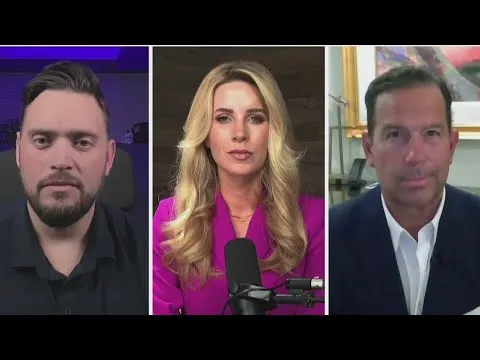
Trump Cabinet Shake-Up Looms Amid War and Economic Woes
As the nation faces ongoing conflict with Iran and rising living costs, President Trump is reportedly considering a significant reshuffling of his cabinet. This potential shake-up, fueled by both domestic pressures and international events, could redefine his administration’s final years in office.
Shifting Personnel and Political Strategy
Reports suggest that key figures like the Director of National Intelligence, Tulsi Gabbard, and possibly EPA Administrator Lee Zeldin, could be on the move. While Gabbard’s office has denied reports of her departure, the speculation highlights a period of potential transition. The White House Easter Egg Roll, usually a festive event, is being viewed by some as a backdrop for a public display of potential firings and appointments, a scenario likened to a “Cabinet edition” of ‘The Apprentice’.
The urgency for these changes stems from the need to establish a strong team for the remaining two years of Trump’s term, especially with upcoming midterm elections where Republican candidates face challenges. Getting new nominees confirmed through a Democratic-controlled Senate, or even a narrow Republican majority, presents a significant hurdle. Past confirmations, like Pete Hegseth’s, have proven difficult, even during periods of presidential strength.
Motivations Behind the Potential Changes
Analysts suggest the cabinet shifts are less about replacing individuals and more about recalibrating the administration’s overall vision. The core promises that won Trump the 2024 election – making life more affordable and avoiding new overseas conflicts – are seen as unfulfilled. High prices at everyday places like McDonald’s, where a single meal can cost $20, are cited as a stark example of the economic struggles facing Americans. This disconnect between campaign promises and current realities is believed to be a major factor in Trump’s low approval ratings.
The administration’s focus on domestic affordability and ending costly foreign wars is a key theme. Some advisors argue that the President needs to return to this foundational agenda, emphasizing policies that grow real wages and improve the financial well-being of average citizens. The current budget proposal, which reportedly prioritizes overseas spending over domestic investment, has drawn criticism for diverging from the “America First” principle.
The War in Iran and Its Economic Impact
The conflict with Iran remains a central concern, influencing both foreign policy decisions and domestic economic conditions. The war has diverted resources and attention, potentially exacerbating existing economic pressures. A swift resolution to the conflict is seen by some as crucial for refocusing on domestic economic growth and fulfilling promises of greater affordability.
The Supreme Court Factor
Beyond cabinet appointments, the potential for Supreme Court vacancies adds another layer of complexity. With several justices nearing or in their seventies, there is speculation that Trump could have opportunities to nominate new justices. However, the confirmation process for any nominee, especially those with strong conservative leanings like Ron DeSantis or Ted Cruz, would be exceptionally challenging in a divided Senate. The political calculus of such appointments, and the timing of any potential retirements, could significantly shape the court for decades to come.
Global Impact: Why This Reshapes the World Order
The ongoing debates within the Trump administration about cabinet appointments, economic policy, and foreign entanglements reflect a broader geopolitical tension. The administration’s approach to international conflicts, particularly the war with Iran, has global implications for energy markets, regional stability, and diplomatic relations. Domestically, the focus on economic affordability underscores the growing public concern over inflation and the cost of living, which can influence trade policies, domestic investment, and international economic partnerships.
A potential shift in cabinet personnel could signal a change in strategic direction, impacting how the U.S. engages with allies and adversaries alike. The emphasis on domestic issues, if prioritized, could lead to a re-evaluation of global commitments and a greater focus on internal economic strength. The outcome of these internal deliberations and potential appointments will not only shape the remainder of Trump’s term but also influence the broader trajectory of American foreign policy and its role in the international arena.
Historical Context
The discussion around cabinet turnover and policy focus echoes historical patterns in presidencies facing economic headwinds and international crises. The need to demonstrate responsiveness to public concerns about affordability and security is a recurring theme in American political history. Furthermore, the debate over military intervention and resource allocation in foreign conflicts has long been a point of contention, shaping both domestic prosperity and international standing.
Economic Leverage and Affordability
The core of the domestic debate centers on economic affordability. The rising cost of everyday goods and services is a primary concern for voters, directly impacting presidential approval ratings. Strategies to address this, whether through domestic spending, tax policies, or ending costly wars, are seen as critical. The administration’s budget, which is reportedly increasing overseas spending, is at odds with the “America First” focus on internal investment and economic well-being for its citizens. This tension highlights the complex relationship between national security spending and domestic economic health.
Future Scenarios
One likely scenario involves continued cabinet churn as the administration seeks to energize its base and address public concerns. Another possibility is a renewed focus on core economic promises, potentially leading to policy shifts aimed at reducing inflation and improving living standards. The outcome of the Iran conflict and potential Supreme Court vacancies will also play a significant role in shaping the administration’s final years and its legacy.
Source: Panel considers ways Trump could reset amid Iran war, economic pressures | On Balance (YouTube)

Related Articles


Iran War Fuels AI Chip Supply Fears, Stocks Brace for Impact
The escalating Iran conflict is disrupting vital supply chains for AI chips, impacting oil, LNG, helium, sulfur, and bromine. Chipmakers in South Korea and Taiwan face the highest risks, while US and European firms may weather the storm better. Investors eye potential opportunities amidst market volatility.


Pope Francis: A Global Peacemaker Addresses World Conflicts
Pope Francis's Easter message, delivered in multiple languages from New York, highlighted his role as a global peacemaker. The Pope's emphasis on Jesus Christ as the Prince of Peace comes at a critical time of international conflict. This message is resonating with a younger generation showing renewed interest in the Catholic faith.

Trump’s Iran Threat: ‘Not Sane Messaging,’ Says Ex-Air Marshal
A U.S. airman was rescued after his F-15 jet was shot down over Iran, a mission President Trump lauded. However, Trump's subsequent aggressive threats towards Iran have drawn sharp criticism from former Air Marshal Greg Bagwell, who called the messaging 'not sane.' The operation highlighted the risks involved and raised questions about Iran's capabilities.