Trump Boosts Federal Crime Fight in Memphis
President Trump has launched a federal task force in Memphis, Tennessee, to combat violent crime. The operation brings together dozens of agencies, including U.S. Marshals and state troopers, to conduct traffic stops and pursue warrants. While aiming to reduce crime, the task force faces criticism regarding community trust and fairness.


Federal Task Force Targets Violent Crime in Memphis
President Trump is focusing on fighting crime across the country. One key part of this effort is a new federal task force in Memphis, Tennessee. This group brings together many different law enforcement agencies to tackle violent crime. NewsNation reporter Ali Bradley got an inside look at how these agencies are working together.
Inside the Memphis Safe Task Force Operation
Bradley rode along with the task force, which includes U.S. Marshals and Tennessee Highway Patrol troopers. They were conducting traffic stops. Officers checked license plates to see if drivers had warrants or were driving stolen vehicles. While one driver was let go after no issues were found, the task force had made an arrest earlier for criminal trespass.
The original goal of that stop was to find a different man wanted for burglary. He was not at the location. Later, officers stopped a driver who did not have a license and had an expired registration. U.S. Marshals say this is a very common problem they are seeing.
The task force uses technology like license plate readers. They also bring in special resources, such as a drug-sniffing dog. This helps them build strong cases for arrests.
Challenges and Goals of the Task Force
Dozens of agencies, both local and federal, are part of this task force. Working together can be hard because they don’t always use the same communication systems. However, the Deputy Director of the U.S. Marshals Service believes the biggest challenge is winning over the trust of Memphis residents. She stated that the task force is not there to invade the city but to help reduce crime. They aim to make arrests while respecting people’s rights.
Criticism and Future of Such Operations
Critics of the Memphis task force say it unfairly targets certain groups of people. They also argue that this approach is not a long-term solution. However, this type of federal and local cooperation is likely to be seen more often as part of the Trump administration’s strategy.
Global Impact
This initiative in Memphis highlights a growing trend in domestic policy. It shows a focus on using federal resources to combat local crime issues. By bringing together multiple agencies, the government aims to increase effectiveness. However, it also raises questions about how these operations impact communities and whether they are the best way to achieve lasting safety. The administration’s approach suggests a belief that strong federal intervention can solve complex local problems.
Historical Context
Federal task forces have been used in the U.S. for decades to address specific crime problems. These have included drug trafficking, organized crime, and more recently, gang violence. The Memphis operation follows this pattern. It represents a continuation of federal involvement in local law enforcement, often spurred by rising crime rates or specific high-profile incidents. The current approach emphasizes collaboration and information sharing across different levels of government.
Economic Considerations
While the transcript doesn’t detail economic factors like sanctions or trade figures, the core of this task force’s work involves enforcing laws that impact economic activity. Traffic stops uncovering issues like unlicensed driving or expired registrations can lead to fines and vehicle impoundments. These actions, while aimed at public safety, also have financial consequences for individuals. The focus on common infractions suggests an effort to address widespread regulatory issues that may indirectly affect the local economy.
Regional Dynamics and Power Balance
The Memphis task force operates within a specific regional context. Tennessee, like many states, faces challenges with crime. The cooperation between state troopers and federal marshals shows a shared interest in improving public safety across jurisdictional lines. This collaboration can strengthen regional law enforcement networks. It also signals a federal willingness to direct resources towards specific cities experiencing high crime rates. Such concentrated federal efforts can shift the perceived power balance in law enforcement, placing more emphasis on federal oversight and support.
Future Scenarios
One possible future is that similar task forces will be deployed in other cities facing high crime rates. This could lead to more coordinated federal and local efforts. Another scenario is that community concerns about targeting and sustainability will lead to adjustments in how these task forces operate. There is also a possibility that the effectiveness of these task forces will be closely monitored, influencing future policy decisions. The long-term success will likely depend on balancing enforcement with community engagement and addressing root causes of crime.
Source: NewsNation gets exclusive ride-along with Memphis Safe Task Force | Elizabeth Vargas Reports (YouTube)

Related Articles

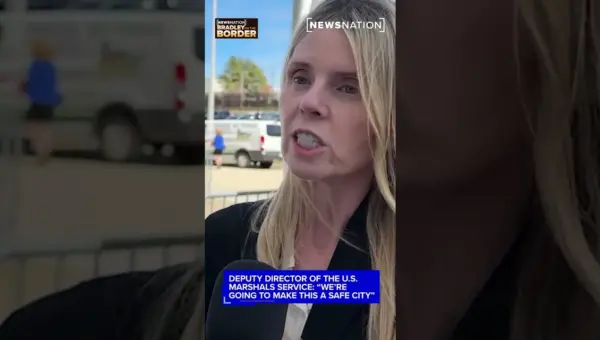
US Marshals Target Memphis Crime Surge
The U.S. Marshals Service has launched a major crime-fighting initiative in Memphis, aiming to unite law enforcement agencies and build community trust. The task force's primary goal is to reduce violent crime and make the city safer for its residents. This effort highlights the importance of collaboration between federal and local authorities in addressing public safety concerns.


NJ Cops Can’t Hide Faces: New Mask Ban Sparks Debate
New Jersey has banned law enforcement officers, including ICE agents, from wearing masks on duty. The new law also requires officers to show ID before arrests. This move aims to boost transparency but raises safety concerns for officers and sparks debate with federal agencies.

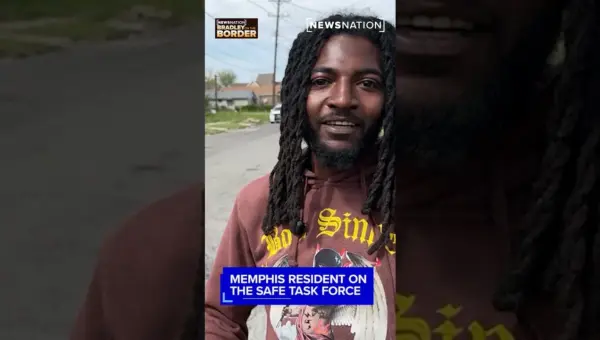
US Boosts Police Presence Amid Memphis Crime Surge
Memphis is deploying a new federal Safe Task Force to combat rising crime. While residents seek improved safety, concerns about police conduct and harassment create a complex dilemma for the city.